
Beautiful Plants For Your Interior
Beautiful Plants For Your Interior
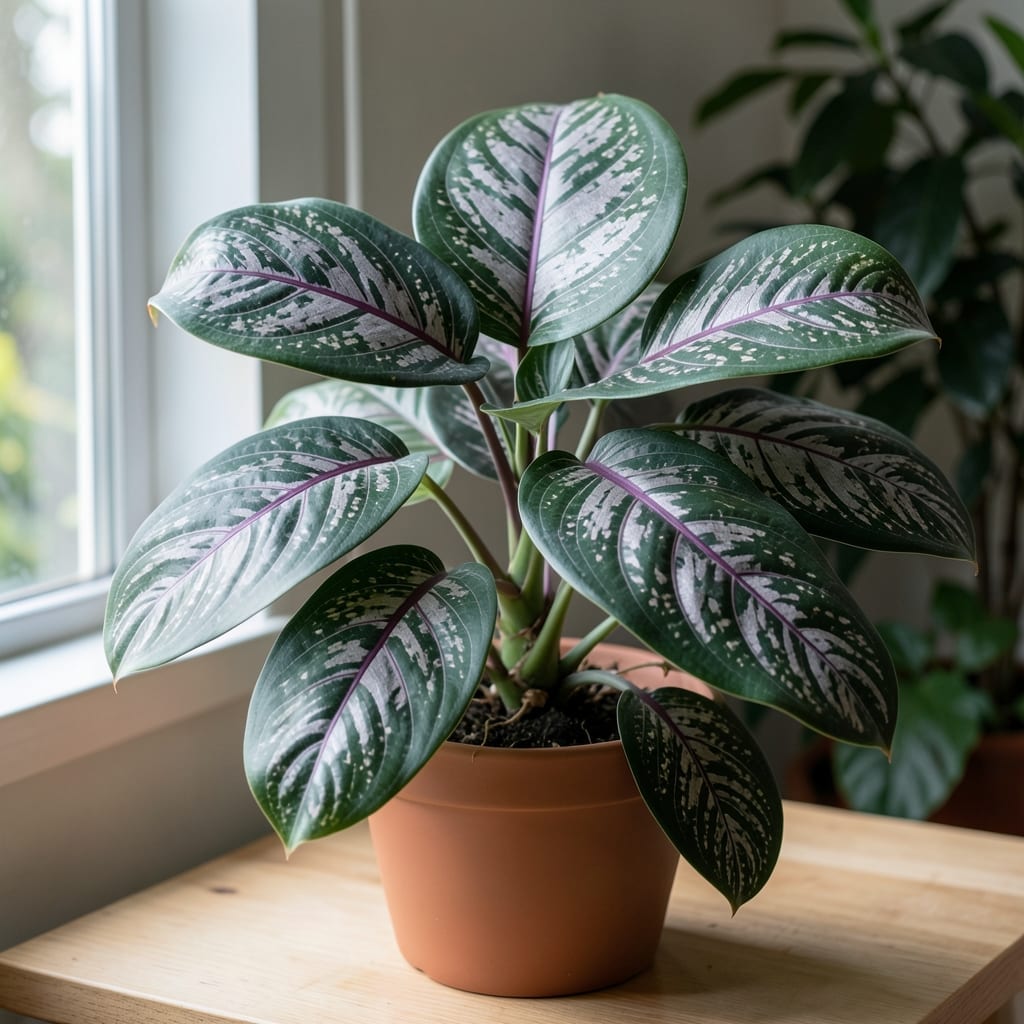
Those curled Calathea leaves aren’t just sad—they’re screaming for help. I’ve seen this happen to my own plants when the air gets too dry or the soil stays parched for too long.
The fix is simpler than you think. 60-70% humidity is the sweet spot, and your watering schedule needs to match the plant’s natural rhythm, not your convenience.
Once you adjust these two things, new growth will unfurl properly within 1-2 weeks. The leaves will flatten out, colors will deepen, and your plant will start looking like itself again.
Works for all Calathea varieties, from rattlesnake to prayer plants. Here’s exactly how to bring it back to life.
Calathea leaves curling inward is often a sign of stress, and several environmental factors can trigger this response. Below are the most common causes, explained with actionable insights.
Calatheas thrive in consistently moist (but not soggy) soil. When underwatered, the plant conserves moisture by curling its leaves inward to reduce surface area and minimize water loss. Check the soil—if the top 1-2 inches are dry, it’s time to water. Use room-temperature water to avoid shocking the roots.
Native to tropical regions, Calatheas require high humidity (60-70%) to flourish. Dry air causes the leaves to curl as the plant attempts to retain moisture. Mist the leaves daily or use a humidifier. Grouping plants together or placing a tray of water near the plant can also help.
Extreme temperatures—either too hot or too cold—can stress your Calathea. Curling leaves may signal exposure to drafts, AC vents, or temperatures below 60°F (15°C). Keep your plant in a stable environment, ideally between 65-80°F (18-27°C), and away from direct heat or cold sources.
Too much fertilizer can lead to salt buildup in the soil, causing root damage and leaf curling. Flush the soil with water to remove excess salts, and reduce fertilizer frequency. Use a balanced, diluted liquid fertilizer every 4-6 weeks during the growing season.
If your calathea’s leaves are curling inward, don’t worry—there are simple fixes for the most common causes. Addressing each issue directly can restore your plant’s health and vibrancy. Below are targeted solutions for the leading causes of curling leaves, along with prevention tips to keep your calathea thriving.
Check the soil by inserting your finger about an inch deep. If it feels dry, your calathea needs water. Water thoroughly until it drains from the bottom, ensuring the roots absorb moisture. Use room-temperature water to avoid shocking the plant.
Prevention tip: Set a consistent watering schedule, but always check soil moisture first. Consider a self-watering pot or moisture meter for precision. 🌡️
Calatheas thrive in humidity levels of 60% or higher. Mist the leaves daily with distilled or rainwater, or place a humidifier nearby. Another easy fix: set the pot on a tray filled with pebbles and water to create a humidity microclimate.
Prevention tip: Group your calathea with other houseplants to naturally increase humidity. Avoid placement near vents or drafts. ✨
Keep your calathea in a room with temperatures between 65–80°F (18–27°C). Avoid sudden temperature drops or hot, dry air from heaters. Move the plant away from cold windows or direct AC airflow.
Prevention tip: Maintain steady temperatures and keep the plant in a spot with indirect, bright light. 🎯
If the soil is soggy or smells foul, your calathea may be overwatered. Let the top inch of soil dry out before watering again. Repot the plant in fresh, well-draining soil if root rot is suspected.
Prevention tip: Use a pot with drainage holes and a chunky, aerated potting mix to prevent waterlogging. 💡
Water when the top 1-2 inches of soil feel dry. Typically, this means watering every 5-7 days, but always check the soil first. Overwatering can be just as harmful as underwatering.
Avoid tap water as it often contains minerals that can damage leaves. Use distilled, rainwater, or filtered water for misting to prevent brown spots and maintain leaf health.
Aim for 60-70% humidity. If your home is dry, use a humidifier or place the pot on a pebble tray with water to create a humid microclimate.