
Beautiful Plants For Your Interior
Beautiful Plants For Your Interior
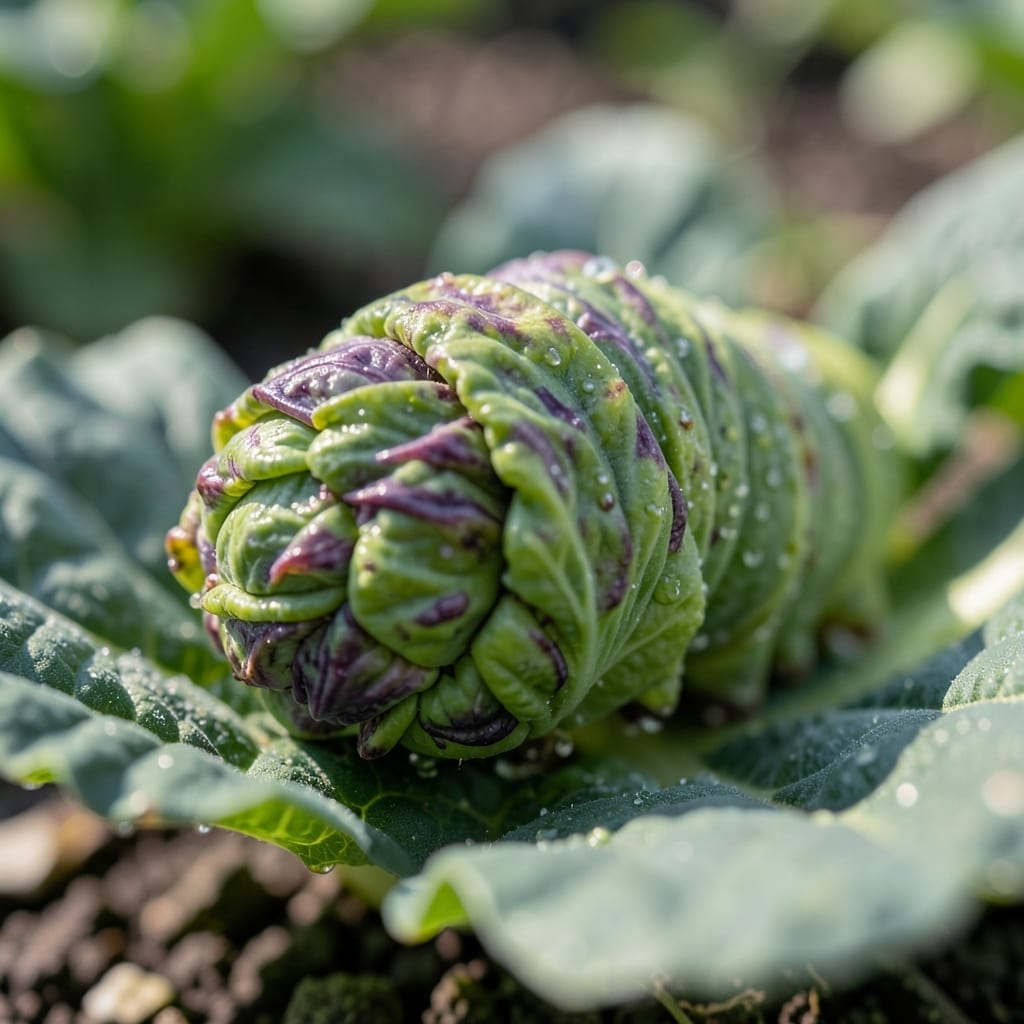
Cabbage worms turn crisp leaves into lace overnight. I first spotted them on my kale—tiny green caterpillars that seemed harmless until they skeletonized my entire patch in 48 hours. The damage looks worse than it is, but left unchecked, they’ll ruin your harvest.
Organic removal starts with vigilance. Hand-pick the worms early morning when they’re sluggish, or blast them off with water. Yellow sticky traps catch the adult butterflies before they lay eggs. It’s simple but 100% effective with consistency.
Prevention is easier than cure. Row covers create a physical barrier, while companion plants like thyme and mint confuse the moths. Healthy soil grows stronger plants that resist infestations better than weak ones.
Your brassicas can recover and thrive. The key is acting at the first sign—holes in leaves, frass on foliage, or those telltale white butterflies fluttering around. Catch it early and you’ll still get a healthy harvest.
Cabbage worms, the larvae of Pieris rapae (white butterflies), thrive in gardens for specific, preventable reasons. Understanding these triggers helps you disrupt their lifecycle before they devour your brassicas. Here’s the science behind the infestation:
Brassicas like cabbage, kale, and broccoli emit glucosinolates, sulfur-containing compounds that attract female butterflies for egg-laying. These chemicals signal a safe, nutrient-rich food source for their offspring. Varieties with higher glucosinolate levels (e.g., mustard greens) are especially vulnerable.
Warm, dry weather (60–85°F) accelerates the cabbage worm lifecycle. Females lay 200–300 eggs in 7–10 days under these conditions. High humidity slows their activity, while drought-stressed plants emit stronger chemical cues, luring more butterflies.
Gardens with low biodiversity often lack parasitic wasps (e.g., Cotesia spp.) or birds that prey on eggs and larvae. Monoculture plantings (large blocks of a single crop) create easy targets. Interplanting with herbs like dill or thyme can attract beneficial insects to restore balance.
Cabbage worms pupate in plant residue or soil over winter. Unremoved crop debris from the previous season provides shelter for pupae to emerge as adults in spring. Tilling the soil in fall disrupts this cycle by exposing pupae to predators and harsh conditions.
Cabbage worms can quickly turn your thriving garden into a chewed-up mess, but don’t worry—these practical fixes will help you reclaim your crops. Below are targeted solutions for the most common causes of infestations, along with prevention tips to keep them from coming back.
Cause: Visible worms on leaves or in the soil.
Fix: Inspect plants daily, especially under leaves. Drop worms into a bucket of soapy water to eliminate them. Focus on the undersides of leaves and near the base of plants where eggs are often laid.
Prevention Tip: 💡 Check plants in the early morning or late evening when worms are most active.
Cause: Lack of natural enemies to control the population.
Fix: Introduce beneficial insects like parasitic wasps, ladybugs, or lacewings. These predators feed on cabbage worm eggs and larvae, reducing their numbers naturally.
Prevention Tip: 🌿 Plant companion flowers like dill, fennel, or yarrow to attract predator insects.
Cause: Worms persist despite manual removal.
Fix: Spray plants with neem oil or Bacillus thuringiensis (Bt), a natural bacteria that targets caterpillars without harming other insects. Apply in the evening for best results, as Bt breaks down in sunlight.
Prevention Tip: ✨ Reapply after rain or heavy watering to maintain effectiveness.
Cause: Adult butterflies lay eggs on plants.
Fix: Cover plants with floating row covers to block adult butterflies from accessing them. Secure the edges with soil or weights to prevent gaps.
Prevention Tip: 🎯 Remove covers during pollination periods for crops that need it, then reapply afterward.
Cause: Eggs and pupae hide in garden debris.
Fix: Remove old leaves, weeds, and plant debris from the garden. Till the soil in the off-season to expose and disrupt pupating worms.
Prevention Tip: 🌡️ Rotate crops yearly to prevent reinfestation in the same spot.
Inspect your brassicas daily, especially the undersides of leaves. Early morning or late evening is best when worms are most active.
Yes, Bacillus thuringiensis (Bt) is organic and targets only caterpillars. It breaks down quickly in sunlight and won’t harm beneficial insects.
Plant thyme, mint, or dill near brassicas. Their strong scents confuse adult butterflies, reducing egg-laying.
Yes, but remove them during pollination for crops that need it. Secure edges tightly to prevent butterflies from sneaking in.