
Beautiful Plants For Your Interior
Beautiful Plants For Your Interior
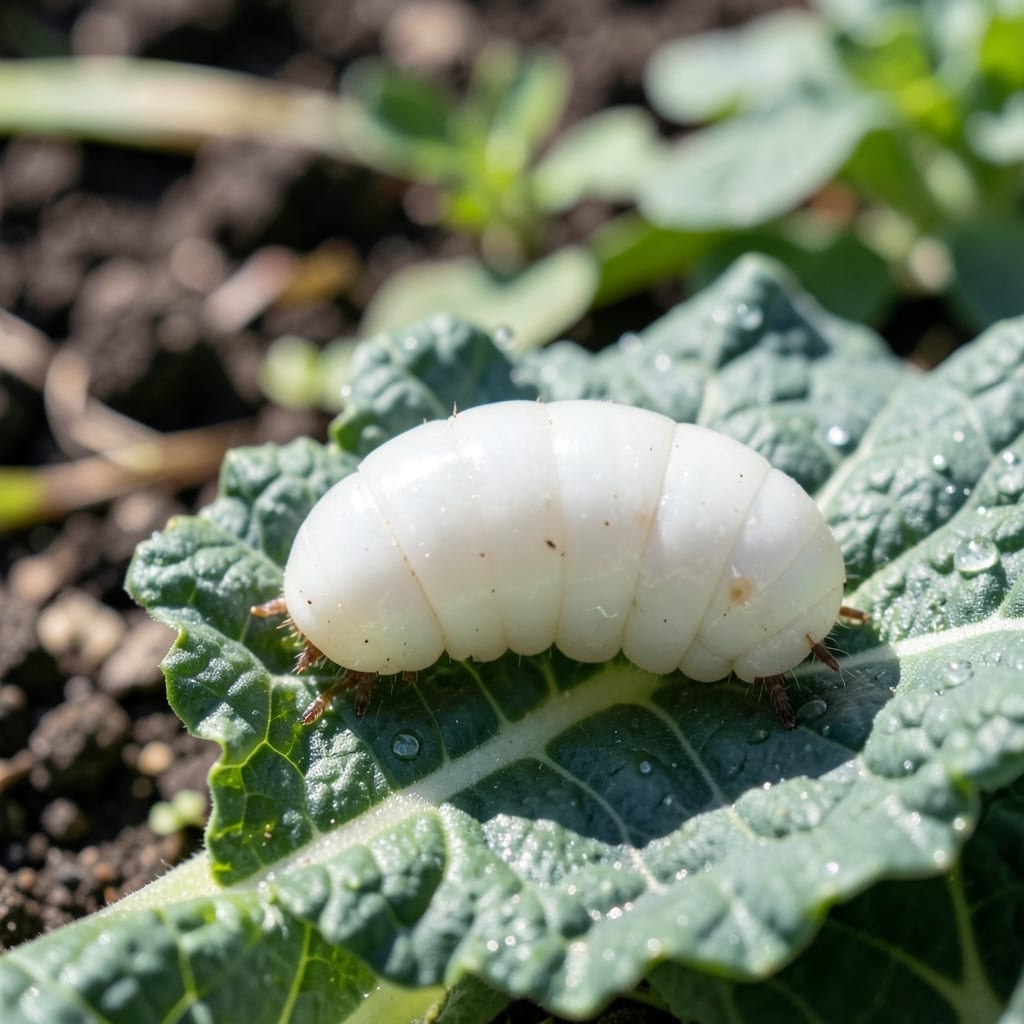
My first cabbage crop was decimated before I even saw the enemy. These pests attack below the soil line, turning healthy seedlings into wilted, stunted disappointments in 48 hours.
Here’s the thing—most gardeners don’t notice until it’s too late. The maggots tunnel through roots, but the real damage shows up as yellowing leaves and plants that topple over with the slightest breeze.
I’ve tested every organic solution, from beneficial nematodes to diatomaceous earth. The most reliable prevention? Row covers applied at planting and left on until harvest.
Works for cabbage, broccoli, kale—any brassica in your garden. Let’s save your crop before the maggots even hatch.
The cabbage root maggot, Delia radicum, thrives under specific environmental and agricultural conditions. Understanding these triggers helps gardeners prevent outbreaks before they start.
These pests favor cool, moist soils with temperatures between 50–75°F (10–24°C). Early spring and late summer plantings are most vulnerable, as the maggots’ eggs hatch quickly in damp, well-aerated soil. Poor drainage or overwatering creates the perfect breeding ground.
Adult cabbage root flies lay eggs near the base of brassica plants. They’re most active during sunny, windless days, especially in fields or gardens with a history of infestations. The flies are attracted to the scent of decaying plant matter, so compost or crop residues can draw them in.
Brassicas like cabbage, broccoli, and radishes release chemical cues that signal ideal egg-laying sites. Monoculture plantings (growing the same crop in the same spot yearly) increase the risk, as the flies easily locate and reinfest their preferred hosts.
Stopping cabbage root maggots starts with smart, timely action. Below are targeted fixes paired with prevention tips to keep your brassicas safe and thriving.
If maggots are already in the soil, avoid planting cabbage family crops (broccoli, kale, radishes) in the same spot for at least 3 years. Rotate with non-host plants like beans, peas, or tomatoes. This breaks the pest’s life cycle.
Prevention tip: 💡 Use a 4-year rotation plan to minimize reinfestation risks.
For immediate control, water in Heterorhabditis bacteriophora nematodes at dusk or dawn when soil is moist and warm (50–90°F). These microscopic allies hunt and kill maggots naturally without harming plants or beneficial insects.
Prevention tip: 🎯 Reapply nematodes every 2–3 weeks during peak flight periods (spring and fall).
Protect young seedlings with floating row covers (lightweight fabric) secured tightly at the edges. This blocks adult flies from laying eggs near the roots. Remove covers only when plants begin to flower for pollination.
Prevention tip: ✨ Install covers before planting—maggot flies are most active in cool, early-season weather.
Sprinkle food-grade diatomaceous earth around the base of plants and lightly work it into the top inch of soil. The sharp particles deter egg-laying and dehydrate young larvae.
Prevention tip: 🌡️ Reapply after rain or heavy watering for continued protection.
Remove and destroy old cabbage roots and plant debris after harvest. Maggot pupae can overwinter in leftover organic matter, leading to next year’s infestation.
Prevention tip: 🔥 Solarize soil in infested areas by covering with clear plastic for 4–6 weeks in summer to kill pupae.
Look for wilted, stunted, or yellowing plants that pull up easily. Roots will appear chewed and may have tunnels. Check soil around the base for small white maggots.
Install covers immediately after planting and keep them on until harvest. Early spring is critical, as adult flies are most active during cool weather.
Yes! Planting thyme, rosemary, or mint near brassicas can deter adult flies. These herbs mask the scent of host plants, making it harder for flies to locate them.
Yes, but let the soil rest for 3 years without brassicas or solarize it with clear plastic for 4-6 weeks in summer to kill pupae.