
Beautiful Plants For Your Interior
Beautiful Plants For Your Interior
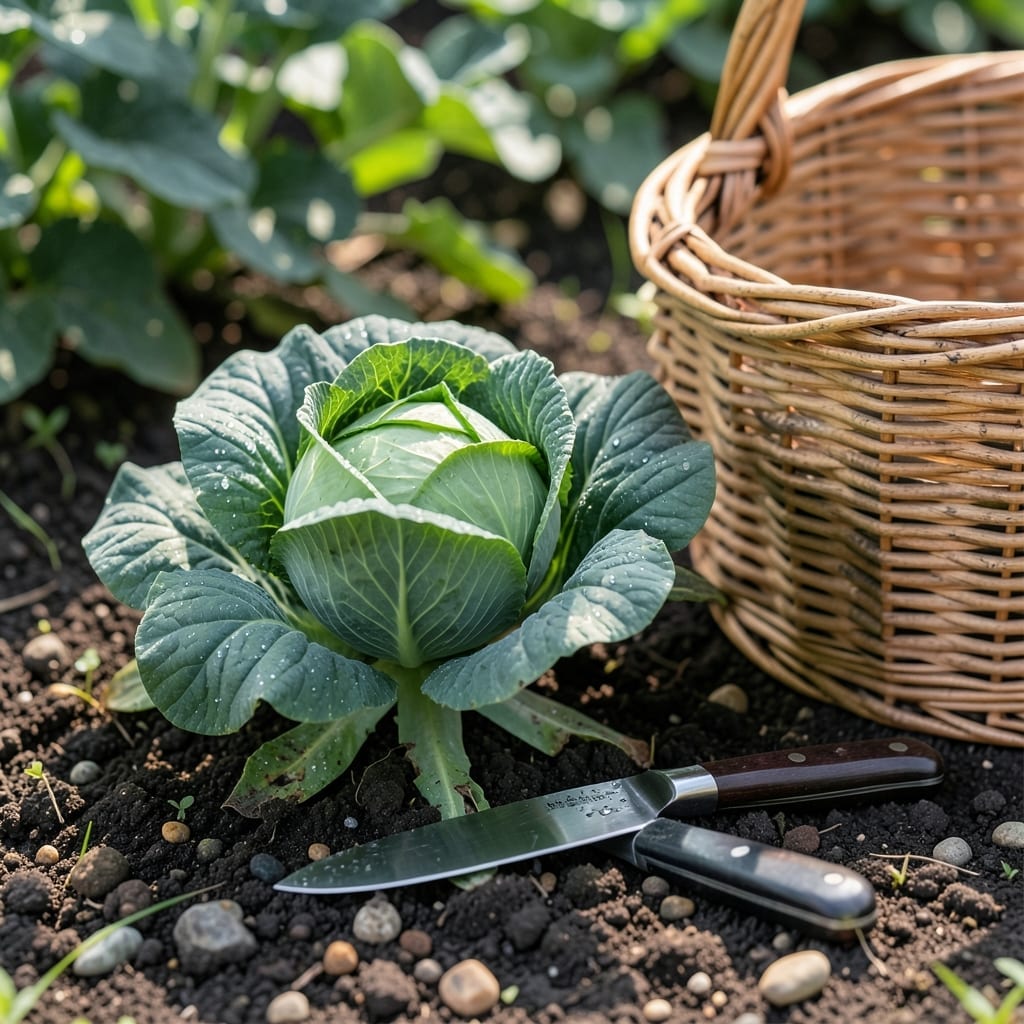
There’s nothing more satisfying than seeing your 🥬 Cabbage reach its peak in the garden. But how do you know it’s truly ready for picking?
Timing is everything when it comes to harvesting. Pick too soon, and you’ll end up with loose, underdeveloped heads. Wait too long, and you risk splitting or bitterness.
I’ve learned that head firmness and subtle leaf color changes are the most reliable indicators. These signs never lie, regardless of the variety you’re growing.
Discover the simple visual and tactile cues that guarantee perfect Cabbage every time. Your summer harvest depends on getting this right.

I always check head firmness first when deciding if my cabbage is ready. A mature head should feel solid and dense when gently squeezed, not soft or loose. This is the most reliable sign across all varieties.
For green cabbage, I look for heads that are 4-8 inches in diameter. Red cabbage often needs a bit more time to reach its deep color and firm texture. Savoy cabbage has a crinkled texture, but the firmness rule still applies.
| Variety | Head Size | Firmness Test | Days to Maturity |
|---|---|---|---|
| Green | 4-8 inches | Hard when squeezed | 60-75 days |
| Red | 5-8 inches | Very firm | 70-85 days |
| Savoy | 6-9 inches | Firm with crinkles | 80-90 days |
I use the squeeze test as my primary method. If the head springs back slightly when pressed, it’s not ready. A ready head will feel solid throughout with no give.
Another trick I swear by is the visual inspection. The outer leaves should look slightly wilted while the inner head remains firm. This indicates the plant is diverting energy to the head.
For early varieties, I start checking at 60 days after transplanting. Main season varieties typically need 75-85 days. I mark these dates on my calendar to stay on track.
I’ve found that cool weather can extend the harvest window. In my Zone 6 garden, spring-planted cabbage often matures in June-July, while fall-planted heads are ready in October before frost.
The size matters but isn’t everything. A smaller head that’s very firm is better than a large, loose one. I aim for the goldilocks zone—not too big, not too small, but just right.
I also watch for cracking, which happens when heads are left too long. This is a sign of over-maturity and can ruin your harvest. I check daily once heads approach readiness.
Remember that watering consistency affects firmness. I maintain even moisture throughout the growing season, especially as heads form. 1-2 inches of water per week is my target.
Lastly, I harvest in the cool morning hours for the best texture. This helps the heads stay crisp longer after picking. I use a sharp knife to cut the stalk cleanly just above the soil.
By combining these firmness checks with my variety’s specific traits, I consistently get perfect cabbage harvests every season.
I’ve found that color changes are one of the most reliable visual indicators for cabbage harvest time. Green varieties deepen to a rich, vibrant hue, while red cabbages develop intense purple tones when ready.
For Savoy cabbage, look for a crinkled texture with a deep green or slightly bluish tint. The outer leaves may also start to yellow slightly, signaling maturity.
The lower leaves often change first, so I always check the base of the plant for early signs. If they’re turning pale or yellow, the head is likely ready.
Remember, environmental stress like drought or heat can cause premature color changes. I
For early varieties, the color shift may be subtle, so I look for uniform coloration across the head. Late-season cabbages often develop darker, more intense hues.
If the outer leaves are still bright green with no yellowing, I give it a few more days to mature fully.
Trust your eyes—consistent color and firm texture mean it’s time to harvest! 🌿