
Beautiful Plants For Your Interior
Beautiful Plants For Your Interior
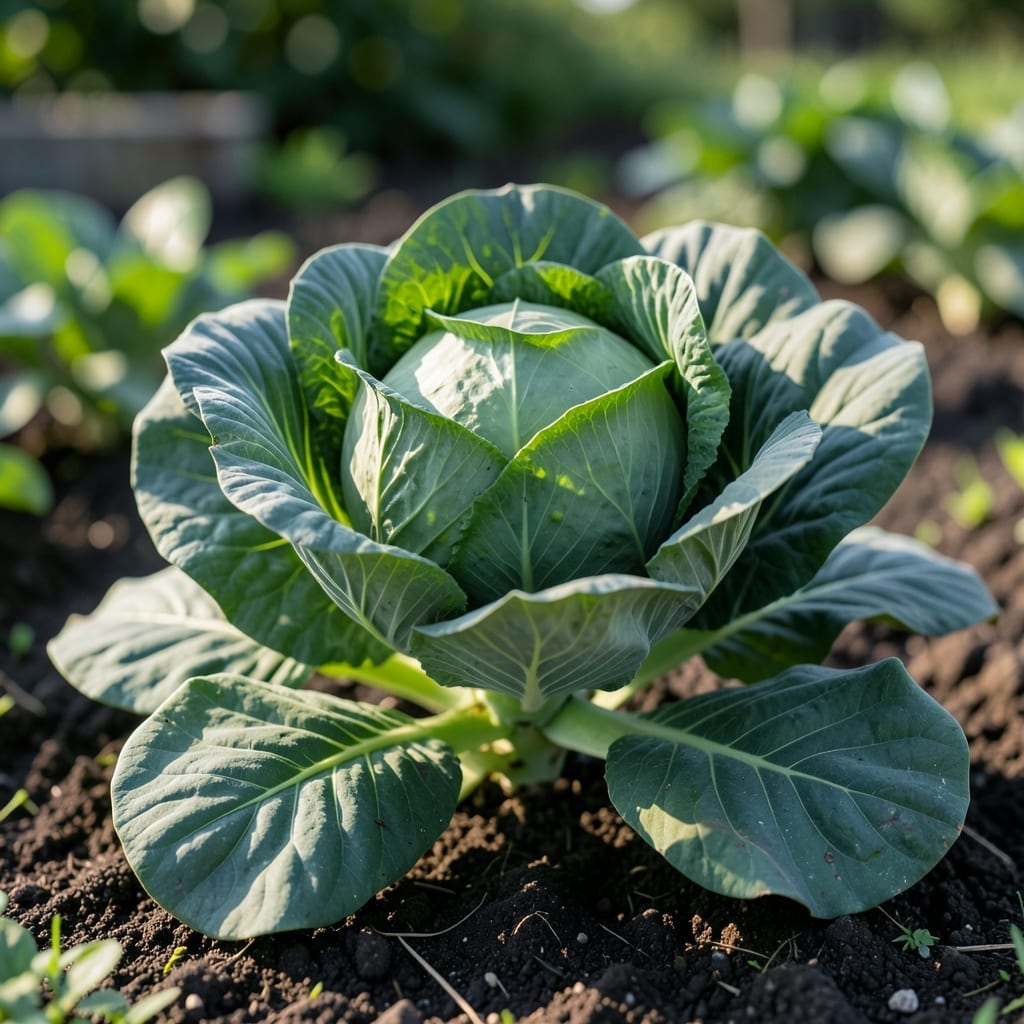
Growing crisp, healthy cabbage starts with getting the temperature just right. Too hot or too cold can stunt growth or even ruin your harvest of this cool-season favorite.
The 🥬 cabbage thrives in specific conditions that many gardeners overlook. From germination to head formation, each stage has its own ideal temperature range you need to know.
I’ve learned through experience that even small temperature fluctuations can make a big difference. Let me share what works best for cultivating perfect heads season after season.
Discover how to create the perfect environment for your cabbage plants. With these insights, you’ll be well on your way to a successful harvest in your container garden.
Getting the temperature right is the first step to healthy cabbage. This cool-season crop thrives when conditions are mild and consistent, avoiding both extreme heat and frost.
The ideal air temperature for cabbage growth ranges from 60°F to 65°F, but it can tolerate a broader span from 45°F to 80°F depending on the growth stage.
For germination, I recommend starting seeds indoors where you can control the soil temperature between 70°F and 75°F for the fastest sprouting.
Once seedlings emerge, they prefer air temperatures between 50°F and 70°F. Transplant outdoors only after the last frost when soil is at least 60°F.
During head formation, cabbage needs consistent temperatures between 55°F and 75°F. Fluctuations can cause cracked heads or loose leaves.
In hotter climates, I’ve found that early morning planting and shade cloth can help maintain cooler conditions. Aim for partial shade when temps exceed 80°F.
For cold regions, use row covers or cold frames to extend the growing season. Cabbage can handle light frosts, but prolonged freezing will damage plants.
Remember that soil temperature is just as important as air temperature. Use a soil thermometer to monitor conditions, especially in early spring or fall.
In my experience, the sweet spot for most cabbage varieties is 60°F to 65°F during the day and 50°F to 55°F at night for optimal growth and tight heads. ☀️
Cabbage thrives in cool weather, but sudden temperature swings can stress plants. I’ve found that frost and heatwaves are the biggest threats to a healthy harvest, especially in early spring or late fall.
To keep your crop safe, I always monitor forecasts closely and prepare for extremes. A few simple steps can make all the difference in protecting tender leaves and ensuring steady growth.☀️
For frost protection, I rely on floating row covers or old blankets to shield plants overnight. These lightweight fabrics trap heat from the soil, often adding 2-4°F of warmth to the air around your cabbage.
When summer heat strikes, I switch to shade cloth with 30-50% coverage. This reduces stress and prevents bolting, which can make heads bitter. I also ensure consistent watering to keep the soil cool.
Mulching is another game-changer. A 2-3 inch layer of straw or leaves regulates soil temperature and retains moisture. I’ve noticed my cabbage stays healthier and more resilient to fluctuations with this simple step.🌱
Finally, I avoid planting cabbage in midsummer heat. If I must grow it in warmer months, I choose heat-tolerant varieties like Gonzo or Heatmaster and provide afternoon shade to keep plants thriving.