
Beautiful Plants For Your Interior
Beautiful Plants For Your Interior
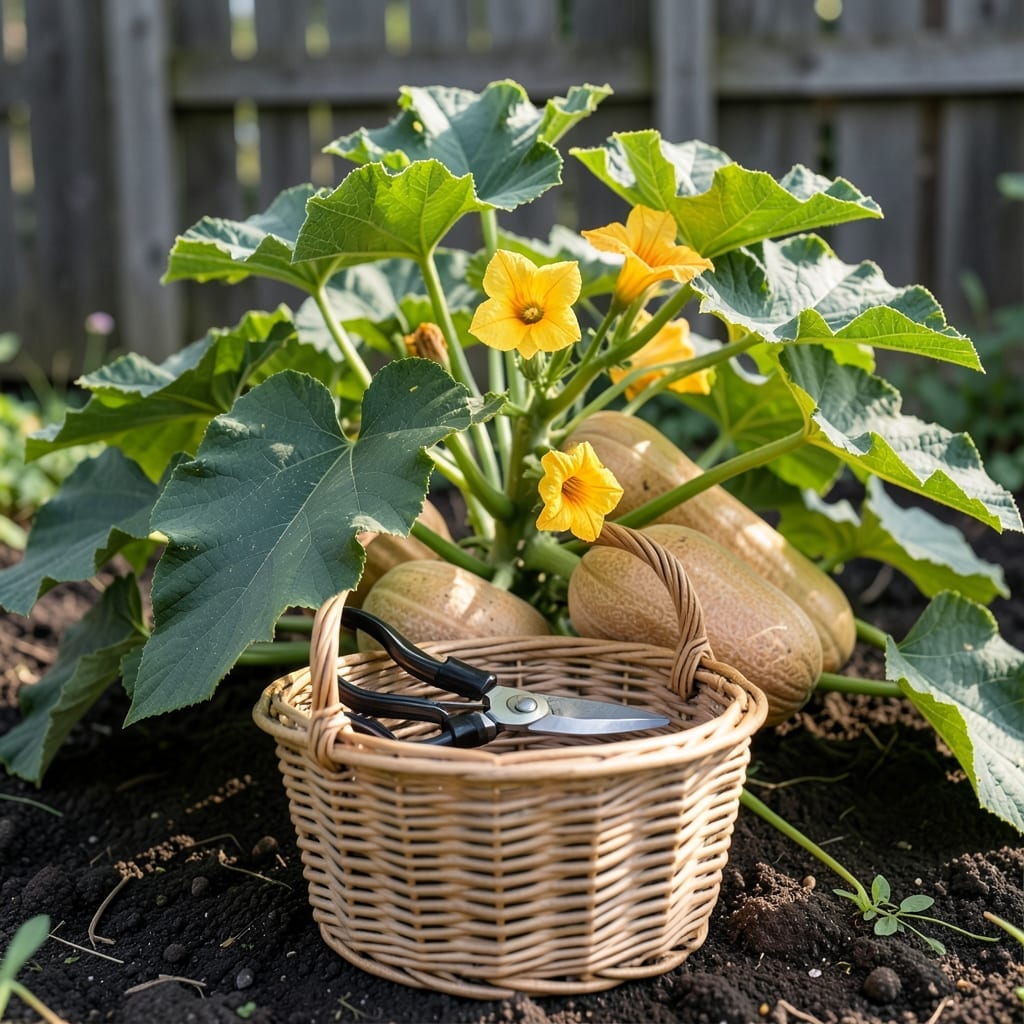
There’s nothing worse than cutting into a butternut squash 🎃 only to find it underripe and lacking flavor. The difference between a mediocre harvest and a sweet, rich one often comes down to timing.
I’ve learned that 2 simple signs—stem condition and skin changes—can tell you everything. These aren’t just random tips; they’re the difference between squash that lasts months in storage and ones that spoil quickly.
Whether you’re a first-time gardener or a seasoned pro, knowing these cues will transform your harvest. The best part? It takes less than a minute to check each squash.
Let me walk you through what to look for so you can pick your Butternut Squash at the peak of perfection every time.
I always tell fellow gardeners that butternut squash ripeness isn’t just about size—it’s about subtle changes. The stem and skin give the clearest signals, and missing them means missing peak flavor and storage potential.
As your butternut squash matures, the stem near the fruit begins to dry and turn woody and brown. This is called stem slip, and it’s nature’s way of saying the fruit is detaching from the vine.
| Ripeness Sign | What to Look For | Why It Matters |
|---|---|---|
| Stem Condition | Dry, woody, brown | Indicates nutrient cutoff from vine |
| Skin Color | Deep tan, matte finish | Signals full sugar development |
| Skin Texture | Hard rind, resists nail | Ensures long-term storage |
The skin color transformation is equally telling. Early on, the rind is shiny and greenish, but as it ripens, it shifts to a uniform deep tan with a matte finish. This change means the squash has maximized its sugar content.
I check my butternut squash plants weekly in late summer. When I see the first color shift, I start testing the stem condition daily. The combination of a dry stem and matte tan skin is my green light for harvest.
Remember, a green stem or shiny skin means the squash isn’t ready. Picking too early results in poor flavor and short storage life. The vine is still feeding the fruit, so be patient and let nature do its work.
For the thumbnail test, press your nail into the rind. A ripe butternut will resist puncturing. If it gives easily, wait another week and retest. This simple check prevents many harvesting mistakes.
The matte finish on the skin isn’t just aesthetic—it’s a sign that the moisture content has stabilized. This is crucial for storage. Squash with glossy skin often rot faster in storage because they retain too much moisture.
I’ve found that morning harvests work best. The fruits are cooler, and the vines are less stressed. Use pruners to leave 2 inches of stem attached—this prevents rot at the stem end during storage.
After harvest, cure your squash in a warm, dry place for 7-10 days. This hardens the skin further and improves flavor. Then store in a cool, dark location where they’ll keep for 2-3 months or more. 🌱
I see many gardeners pick too early because they focus on size alone. A large squash isn’t necessarily ripe, and harvesting prematurely ruins both flavor and storage life. Always check the stem first.
Another common error is ignoring skin color. If your butternut still has green streaks or a shiny surface, it’s not ready. The skin should turn a uniform tan with a matte finish before picking.
⚠️ Avoid These Ripeness Pitfalls
❌ Picking by size – Bigger doesn’t mean ripe
❌ Soft rind test – If your fingernail punctures it, wait
❌ Green stems – Must be dry and woody to harvest
Some gardeners rely on the vines dying back as their only cue. While vine dieback is a sign, it’s often too late for the best flavor. Check the stem and skin first for earlier, sweeter harvests.
I’ve also seen folks tug on the squash to test readiness. This can damage the vine or bruise the fruit. Instead, use the thumbnail test—press gently into the rind.
If it resists puncturing, it’s ready. If not, give it another week in the garden. This simple test prevents premature harvesting and ensures peak sweetness.
Finally, don’t forget to check the underside of the squash. Sometimes the color change starts there, and missing this can lead to uneven ripening. A fully ripe butternut will be evenly tan all over. ✂️