
Beautiful Plants For Your Interior
Beautiful Plants For Your Interior
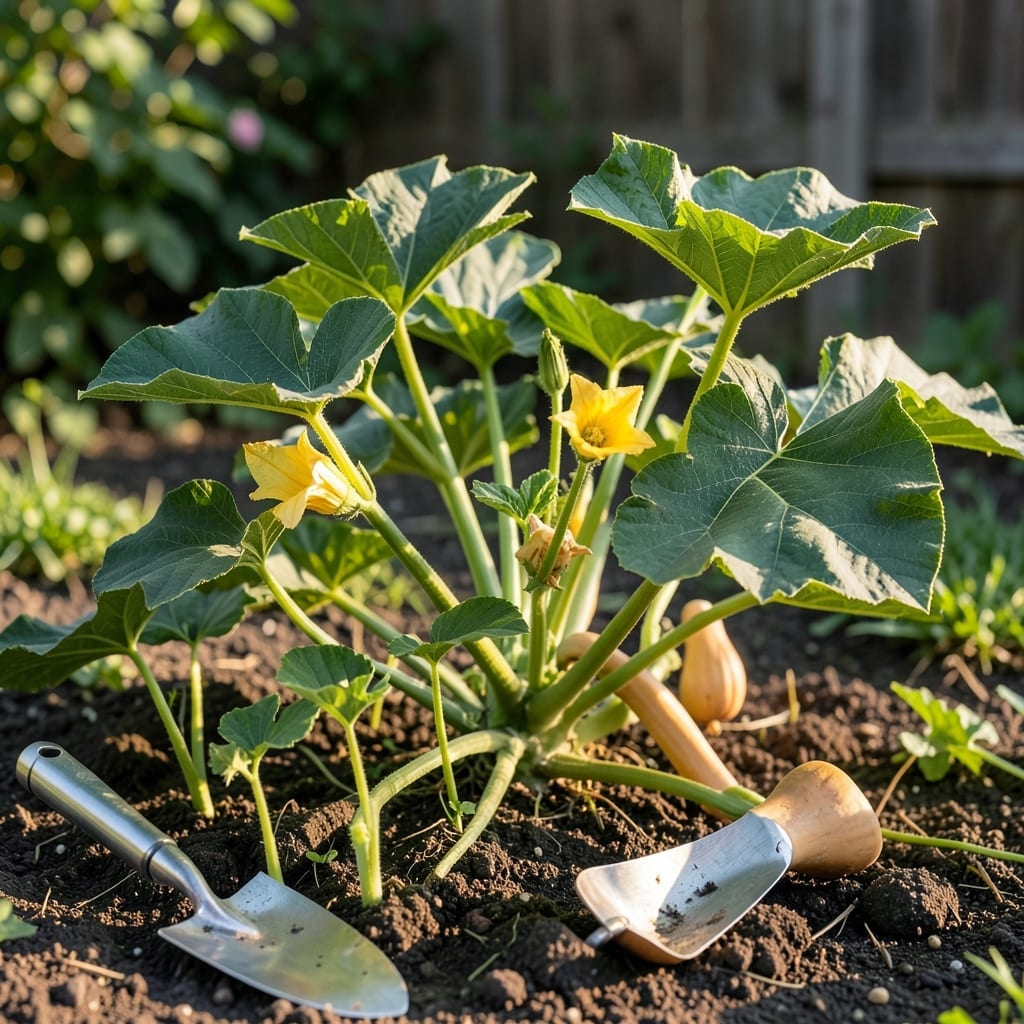
Timing is everything when it comes to planting 🎃 Butternut Squash—plant too early and frost will kill your seedlings, too late and your harvest will suffer.
I’ve learned the hard way that getting this right means the difference between a thriving crop and a disappointing one. The secret lies in aligning your planting with your local climate and soil conditions.
For most gardeners in zone 6, the sweet spot is between May and June, when the soil is warm enough to support growth. This timing ensures your plants have the full season to mature before the first frost.
Discover how to nail the perfect window for your area and set yourself up for a bountiful harvest of these delicious, nutty squashes.

Getting your butternut squash planting time right starts with knowing your USDA Hardiness Zone. In cooler zones like 3-5, wait until late May or early June when soil warms to 70°F and frost danger passes.
For zones 6-8, mid-May is ideal, while zones 9-11 can plant as early as March. Always check local last frost dates to avoid cold damage to tender seedlings.
| USDA Zone | Planting Window | Soil Temp |
|---|---|---|
| 3-5 | Late May – Early June | 70°F+ |
| 6-8 | Mid-April – May | 70-85°F |
| 9-11 | March – April | 75°F+ |
I always recommend using a soil thermometer to confirm temperatures before planting. Butternut squash seeds need consistent warmth to germinate properly and won’t tolerate cold soil.
In my experience, black plastic mulch can help warm soil faster in cooler climates. This simple trick can give you a 2-3 week head start on the growing season.
Remember that butternut squash requires a long growing season of about 75-100 days. Count backward from your first expected frost to determine your latest safe planting date.
For gardeners in zone 3, starting seeds indoors 3-4 weeks before transplanting can extend your growing window. Just be careful not to disturb the roots when moving seedlings.
I’ve found that succession planting works well in warmer zones. Try planting a new batch every 2-3 weeks until midsummer for a continuous harvest.
In zone 11, where frost is rare, you can plant butternut squash nearly year-round, though fall planting may yield the best results by avoiding extreme summer heat.
No matter your zone, always harden off seedlings before transplanting. This gradual introduction to outdoor conditions prevents shock and ensures stronger plants.
Finally, keep an eye on local weather patterns. An unexpected late frost can ruin your crop, so stay flexible with your planting dates.
With these zone-specific guidelines, you’ll be well on your way to a bountiful butternut squash harvest ☀️
To get an early butternut squash harvest, I love using black plastic mulch to warm the soil 2-3 weeks faster. This trick works wonders in cooler climates where spring lingers.
Row covers are another game-changer for early planting. They protect young plants from late frosts while trapping heat, but
For a late harvest, I recommend succession planting. In warm zones, plant new seeds every 2-3 weeks until midsummer for continuous production.
If you’re in a short-season area, choose early-maturing varieties that can produce in 75-85 days. ‘Early Butternut’ and ‘Waltham’ are excellent choices for cooler climates.
One common mistake I see is planting too late in the season. Remember that butternut squash needs 75-100 days to mature, so count backward from your first expected frost date.
Another tip: transplanting seedlings instead of direct sowing can give you a head start. Just be gentle with the roots as squash plants don’t like to be disturbed.
For the longest possible harvest window, combine early planting techniques with succession planting. This approach can extend your harvest from late summer well into fall.
Always monitor local weather and be ready to protect young plants from unexpected cold snaps or heatwaves
☀️