
Beautiful Plants For Your Interior
Beautiful Plants For Your Interior
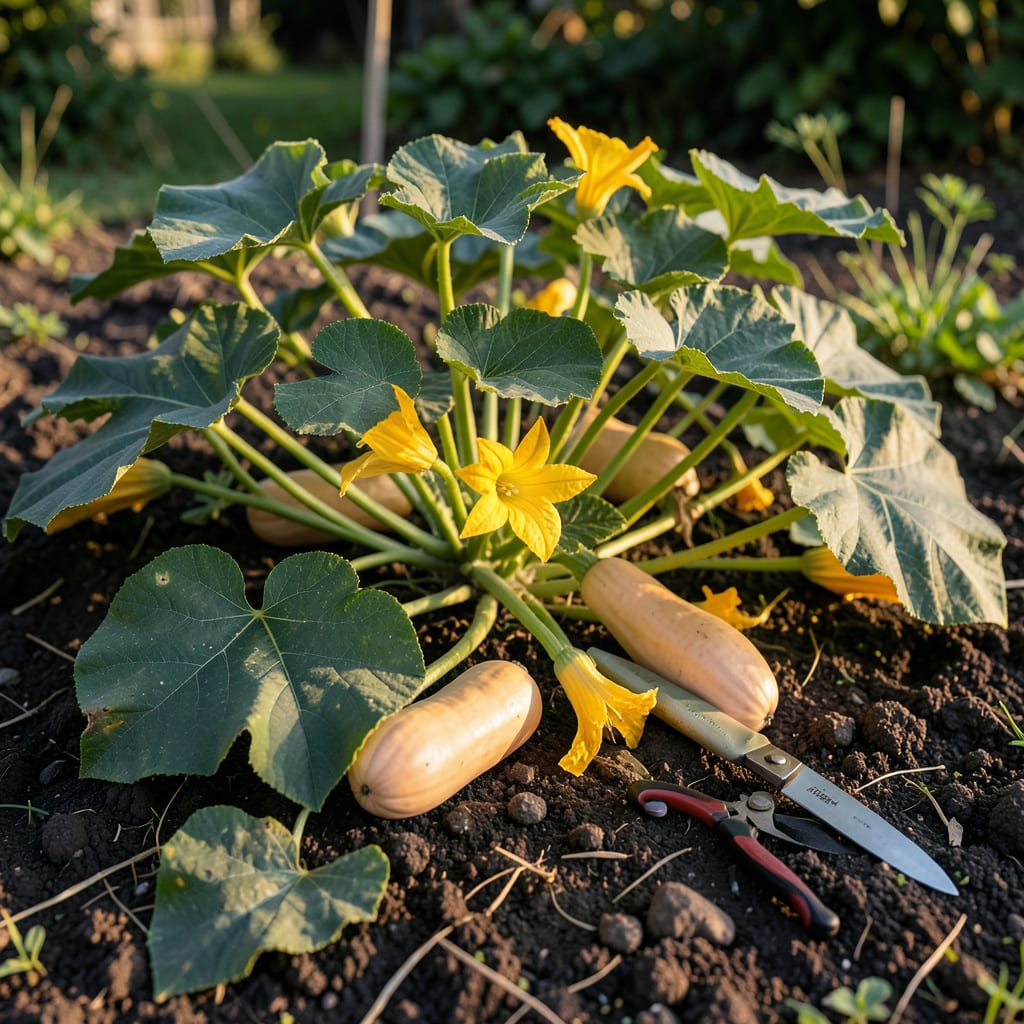
Picking your 🎃 Butternut Squash at the perfect moment can make or break your harvest. Too early, and the flavor falls flat; too late, and storage becomes a problem.
I’ll show you how to pinpoint that sweet spot between 75-100 days. You’ll learn the subtle signs that signal your crop is ready to come off the vine.


Growing butternut squash is a rewarding experience, but timing is everything. Most varieties take 75 to 100 days to reach maturity, but this can vary based on climate and care. Understanding each growth stage helps you anticipate the harvest window with confidence.
From germination to vine development, the first 2-3 weeks set the foundation. Once vines spread, expect flowers to appear around day 45-55, followed by fruit formation. The final ripening phase is where patience pays off.
| Stage | Days | Key Development |
|---|---|---|
| Germination | 5-10 | Sprouts emerge from soil |
| Vine Growth | 15-30 | Long vines spread rapidly |
| Flowering | 45-55 | Male and female blooms appear |
| Fruit Set | 55-65 | Small squash begin forming |
| Maturation | 75-100 | Fruit reaches full size and color |
Climate plays a huge role in your butternut squash days to harvest. Warmer regions often see faster growth, while cooler areas may extend the timeline. I’ve noticed my plants mature 5-10 days earlier in full sun compared to partial shade.
Variety selection also impacts timing. Some heirloom types take the full 100 days, while hybrid varieties like ‘Early Butternut’ can be ready in as few as 70 days. Always check your seed packet for specifics.
During the fruit maturation stage, watch for color changes. The skin transitions from green to tan, and the rind hardens. This typically starts around day 70 and completes by day 100 for most varieties.
I recommend keeping a garden journal to track progress. Note when you see the first flowers and when fruits begin to form. This helps you estimate your harvest date more accurately each season.
Remember that soil temperature affects early growth. Planting when soil is at least 60°F gives your seeds the best start. Cooler soils can delay germination and push back your entire timeline.
Consistent watering is crucial during the fruit development phase. Aim for 1-2 inches per week, especially when squash are sizing up. Inconsistent moisture can lead to misshapen fruits or extended maturation.
Finally, don’t rush the process. Even if your squash look large, they need that full 75-100 day period to develop their sweet, nutty flavor and achieve optimal storage quality. Patience truly is a virtue with butternut squash 🌱
While days to harvest gives you a general timeline, nothing beats visual cues for knowing your butternut squash is truly ready. Even at 75-100 days, some fruits need more time, while others mature faster than expected.
I always look for multiple signs before picking, as relying on just one can lead to mistakes. The combination of color change and rind hardness is particularly telling for me.
The color change from green to tan is the most obvious sign. This transformation happens gradually, starting at the blossom end and moving toward the stem. Full tan color means the squash has stopped growing.
Test the rind hardness by pressing your thumbnail into the skin. If it resists puncturing, the squash is ready. This test works best on the side of the fruit, away from the stem and blossom ends.
Check the stem condition too. A mature butternut squash will have a dry, corky stem where it attaches to the vine. If the stem is still green and flexible, give it more time.
I also watch for vine dieback. As fruits mature, the leaves nearest the squash often yellow and wilt. This is nature’s way of signaling that the plant is redirecting energy to ripen the fruit.
Remember that size matters, but isn’t the only factor. A properly matured butternut squash typically measures 8-12 inches long. However, some smaller varieties may be ready at just 6 inches, while larger types can reach 18 inches. Always combine size with other readiness signs 🌱
Even with perfect timing, some garden mistakes can push your butternut squash days to harvest beyond the expected range. I’ve seen many growers unknowingly extend their wait by weeks with avoidable errors.
One major culprit is over-fertilization, especially with nitrogen-heavy feeds. This promotes leafy growth at the expense of fruit development, delaying maturity. Stick to a balanced 5-10-10 fertilizer and follow label rates.
⚠️ Warning: Avoid These Harvest Delayers
Over-fertilizing with nitrogen, inconsistent watering, poor pollination, and planting in cold soil can all extend your butternut squash timeline by 2-3 weeks or more.
Inconsistent watering is another common issue. Fluctuating moisture levels stress the plants, causing fruit drop or slowed growth. Aim for 1-2 inches weekly, especially during fruit set.
Poor pollination often goes unnoticed until it’s too late. Without proper pollination, fruits won’t develop at all. I always plant pollinator-friendly flowers nearby to attract bees and ensure good fruit set.
Planting too early in cool soil can set back your entire timeline. Butternut squash needs soil temps of at least 60°F to germinate properly. Use a soil thermometer to confirm conditions before planting.
Finally, crowded plants compete for resources, slowing growth. Space vines 3-4 feet apart to allow proper air circulation and development. This simple step can shave 5-7 days off your harvest time 🌱
Check for a deep tan color and hard rind that resists thumbnail pressure. These signs often appear before 75 days in warm climates or with early-maturing varieties.
No, green skin means it’s not ripe. The color change signals the squash has stopped growing and developed its sweet flavor. Wait for full tan coloring for best results.
Cool temperatures or poor pollination can extend the timeline. If the vine is healthy and fruits are growing, give them 10-14 extra days while watching for readiness signs.
Not always. While most reach 8-12 inches, combine size with other signs like hard rind and dry stem. Some varieties mature at different sizes.
