
Beautiful Plants For Your Interior
Beautiful Plants For Your Interior
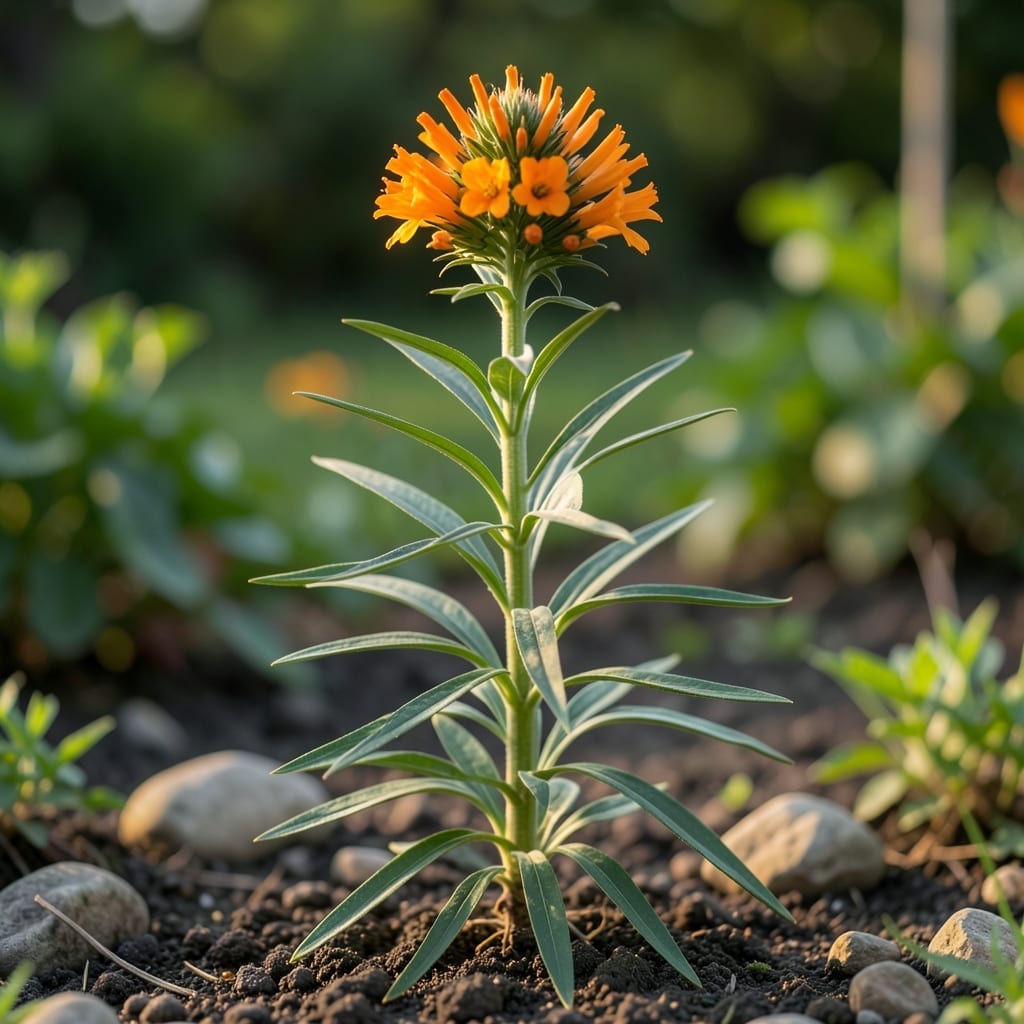
Spotting trouble on butterfly weed leaves can feel alarming, but most issues are fixable. I’ve seen milky sap oozing from damaged stems and knew something was wrong with my plants.
Discolored or wilted leaves often signal pests or disease, while chewed edges point to hungry caterpillars. The good news? This tough native handles most problems with minimal intervention once you identify the culprit.
📚 In This Guide
Here’s how to safely recognize and handle this plant without risking exposure to its toxic sap.
Look for lance-shaped leaves that grow 4-6 inches long and ½ to 1 inch wide, arranged alternately along the stem. The leaves are smooth-edged with a prominent midrib running down the center. They appear deep green and slightly fuzzy on the underside.
This plant produces clusters of bright orange flowers, but focus on the leaves first—they’re the key to identification. If you crush a leaf gently, you’ll notice a milky white sap oozing out. That’s your confirmation, as this sap is characteristic of all milkweed species, including butterfly weed.
Before touching any part of the plant, wear long sleeves, gloves, and eye protection. The sap can cause skin irritation and is toxic if ingested or if it comes into contact with your eyes. Even brief contact may lead to a rash or burning sensation for sensitive individuals.
I always keep a pair of dedicated gardening gloves for handling milkweeds. If sap gets on your skin, wash the area immediately with soap and cool water. Never touch your face or eyes while working with this plant, even if you’re wearing gloves.
Use clean, sharp pruners or scissors to cut leaves and stems at the base, close to the soil line. Collect the clippings in a sealed bag or container—don’t leave them on the ground where pets or children might encounter them. The sap remains toxic even after the plant is cut.
If you’re removing the entire plant, dig out the roots as well to prevent regrowth. Butterfly weed has a deep taproot, so you’ll need to dig 8-12 inches deep to get it all. Dispose of the plant material in a secure trash bin, not in compost, as the toxins can persist.
After removal, wipe down your pruners or scissors with rubbing alcohol or a 10% bleach solution to remove any residual sap. This prevents accidental contamination the next time you use them. I keep a spray bottle of cleaning solution handy for this exact purpose.
Check the area where you worked for any fallen leaves or stem pieces. Pick them up carefully with a gloved hand or a dustpan and brush. Even small amounts of plant material can pose a risk if ingested by curious pets or wildlife.
Butterfly weed can resprout from root fragments left in the soil. Check the area weekly for new growth, especially in the first 4-6 weeks after removal. If you see fresh shoots, dig them out immediately before they establish.
If you’re replacing it with a non-toxic alternative, choose plants with similar orange blooms, like marigolds or nasturtiums. These attract pollinators without the risks. Real talk: it’s better to be thorough now than to deal with a recurring problem later.
These practical pointers will help you handle this plant safely and effectively.
Identification Tip: In Step 1, focus on the lance-shaped leaves that are 4-6 inches long and ½ to 1 inch wide with a prominent midrib. The slightly fuzzy underside is a key detail that distinguishes butterfly weed from look-alikes. Confession: I once misidentified a similar plant until I checked for that telltale fuzz.
Safety Precaution: For Step 2, don’t skip the eye protection. The milky sap can cause serious irritation if it gets in your eyes, and even gloves won’t prevent accidental face touching. I keep a dedicated pair of safety glasses in my gardening kit just for this reason.
Removal Technique: When digging in Step 3, go the full 8-12 inches deep to get the entire taproot. I learned this the hard way after regrowth appeared from root fragments I’d missed. Use a sharp trowel to make the job easier.
Cleanup Strategy: In Step 4, that 10% bleach solution is more effective than soap for removing residual sap from tools. I also recommend wiping down your gloves after use, as the sap can linger on surfaces you’ve touched.
Yes, butterfly weed (Asclepias tuberosa) contains toxic compounds called cardiac glycosides, which can cause nausea, vomiting, or heart issues if ingested in large quantities. Keep pets and children away from the leaves and sap.
Wear gloves and long sleeves to avoid skin irritation. Dig out the roots entirely to prevent regrowth, or use a targeted herbicide if necessary. Dispose of the plant material in a sealed bag.
Consider planting bee balm, coneflowers, or black-eyed Susans. These attract butterflies and bees without the toxicity risks, making them safer for gardens with kids or pets.
Yellowing leaves may indicate overwatering, poor drainage, or nutrient deficiencies. Check soil moisture and ensure the plant is in well-draining soil. Adjust watering habits as needed.
Yes, the milky sap can irritate skin for some people, causing redness or itching. Always wear gloves when handling the plant to minimize contact.