
Beautiful Plants For Your Interior
Beautiful Plants For Your Interior
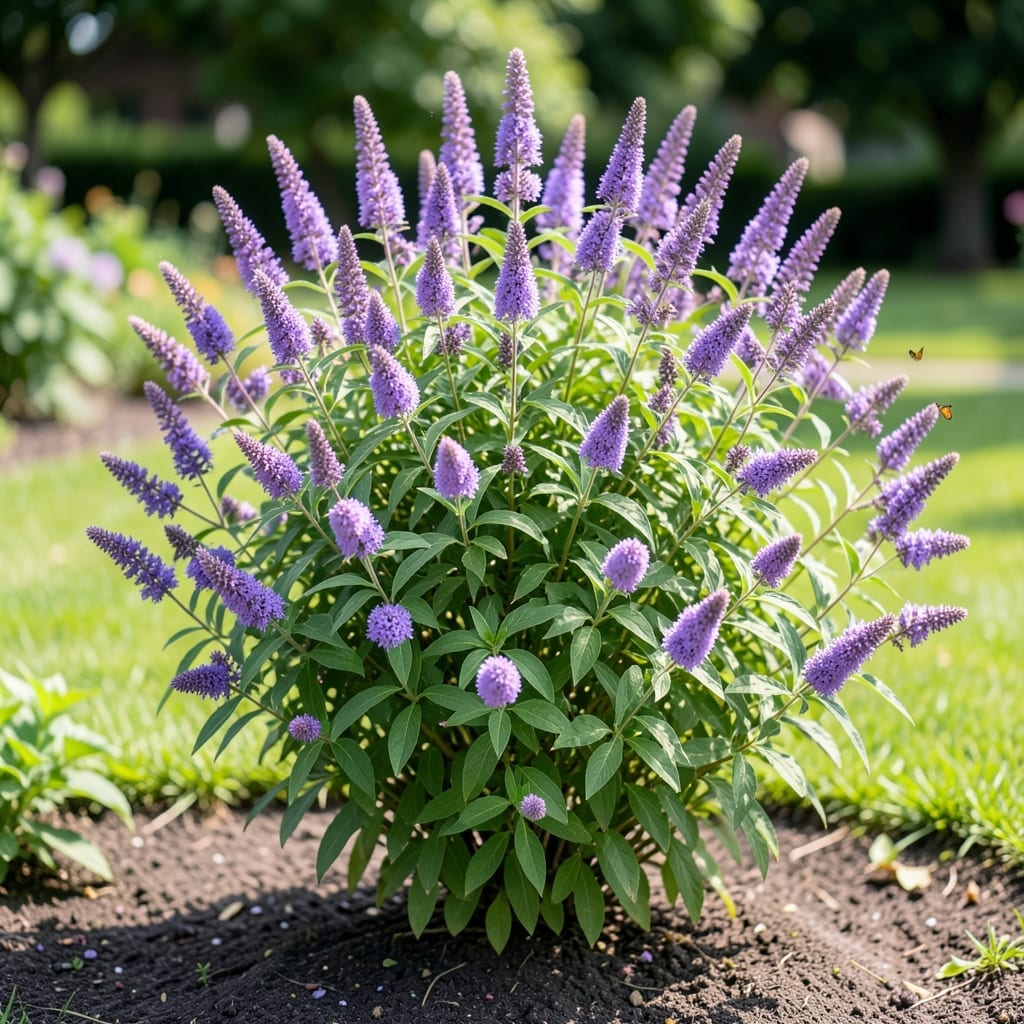
Butterfly bushes burst into vibrant, nectar-rich blooms—but only if they get the right amount of sunlight. I’ve seen too many gardeners struggle with sparse flowers, not realizing the key is proper light exposure.
These pollinator magnets, the 🦋 Butterfly Bush, thrive when given optimal conditions. Without enough sun, they’ll grow leggy and weak, failing to attract the butterflies we love.
Let me walk you through exactly what these shrubs need to flourish. You’ll discover how to position them for maximum bloom potential in your garden.
Whether you’re planting in zone 5-9 or adjusting for your microclimate, getting the light right makes all the difference. Here’s how to ensure your Butterfly Bush gets the sun it craves.

I’ve found that butterfly bushes thrive best with 6+ hours of direct sunlight each day. These vibrant shrubs, Scientifically known as Buddleia, are true sun-worshippers in the garden. ☀️
In my experience, they can tolerate a bit of partial shade, but their blooming potential drops significantly. For the most lush flowers and healthy growth, aim for full sun exposure wherever possible.
| Requirement | Specification |
|---|---|
| Minimum Sunlight | 4-6 hours daily |
| Optimal Sunlight | 6+ hours daily |
| Light Type | Direct sunlight |
| Seasonal Adjustments | More in cooler climates |
If you’re in a cooler region, I recommend pushing for the upper end of that range. Butterfly bushes in USDA zones 5-7 often benefit from extra sunlight to compensate for shorter growing seasons.
In hotter climates, like zones 8-9, these plants still love full sun, but I’ve noticed they appreciate a bit of afternoon shade during extreme heatwaves. This prevents leaf scorch while maintaining bloom quality.
For container-grown butterfly bushes, I suggest placing pots in south-facing or west-facing locations. These spots typically receive the most intense light throughout the day, which these plants crave.
Remember that morning sun is particularly valuable. It helps dry foliage quickly, reducing the risk of fungal diseases that can plague these shrubs in damp conditions.
If your garden has partial shade, don’t despair. While not ideal, I’ve seen butterfly bushes still produce decent blooms with 4-6 hours of sunlight, especially if the light is bright and direct.
For the best results, monitor your plant’s response. If you notice fewer flowers or leggy growth, it might be signaling a need for more sunlight. Consider relocating it to a sunnier spot.
In my garden, I’ve found that butterfly bushes planted in full sun not only bloom more abundantly but also attract more pollinators. The vibrant colors and sweet fragrance are simply irresistible to butterflies and bees. 🌿
When your butterfly bush isn’t thriving, sunlight deprivation is often the culprit. I’ve seen sparse blooms and leggy growth signal that my plants need more light to flourish.
Look for pale leaves or stunted flower spikes—these are classic warnings. Without 6+ hours of direct sun, your shrub may struggle to produce its signature vibrant blooms.
⚠️ Sunlight Warning
If your butterfly bush has fewer flowers or weak stems, it likely needs more direct sunlight. Move it to a sunnier spot or trim nearby shade.
Another red flag is slow growth. In my garden, shrubs in partial shade often grow taller but thinner as they stretch for light, which weakens their structure.
Check the leaf color too—yellowing edges or brown tips can indicate stress from insufficient light. Healthy foliage should be deep green and robust.
If you notice these signs, relocate your bush gradually to a full-sun area. I’ve found that south-facing spots work best for maximum exposure.
Finally, monitor blooming patterns. A well-lit butterfly bush should burst with colorful clusters from summer to fall. If yours isn’t, it’s time to adjust its light conditions. ☀️