
Beautiful Plants For Your Interior
Beautiful Plants For Your Interior
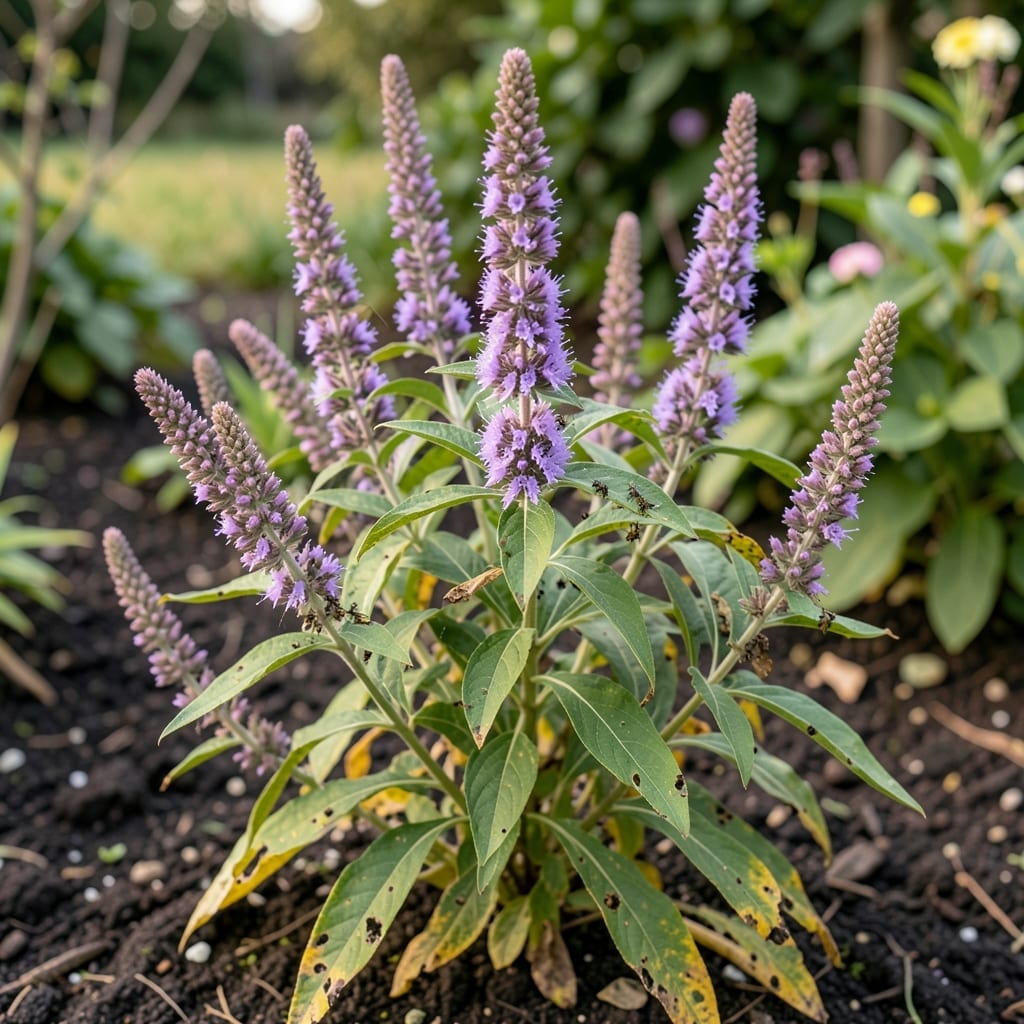
Butterfly bushes attract more than just butterflies. I’ve seen healthy plants turn into pest magnets overnight, and the damage can spread fast if you don’t catch it early.
Spider mites, aphids, and whiteflies are the usual suspects. They love the soft new growth, and before you know it, leaves yellow and drop. The good news? You can spot them with a quick visual check and a magnifying glass.
Most infestations start small—just a few bugs on the undersides of leaves. That’s your window to act. A strong spray of water often knocks them off, and neem oil works for stubborn cases.
Prevention is simpler than treatment. Keep your plant healthy with proper watering and pruning, and you’ll avoid 90% of these problems before they start.
Butterfly bushes (Buddleja spp.) attract pests due to a mix of environmental, biological, and cultural factors. Understanding these triggers helps prevent and manage infestations effectively.
Stressed or weakened butterfly bushes are more susceptible to pests. Drought, poor soil nutrition, or improper pruning compromise the plant’s natural defenses. For example, aphids and spider mites target plants with low vigor, as they lack the energy to produce protective compounds like tannins or terpenes.
Dense foliage and limited airflow create a humid microclimate—ideal for fungal diseases and soft-bodied pests like whiteflies or mealybugs. Butterfly bushes planted too closely together also reduce sunlight penetration, slowing leaf drying and encouraging pest proliferation.
Warm, dry summers accelerate spider mite outbreaks, while cool, wet springs favor fungal growth and slug activity. Butterfly bushes in regions with mild winters may also host overwintering pests, such as scale insects, which emerge aggressively in spring.
Monoculture gardens or excessive pesticide use can disrupt beneficial insect populations, like ladybugs or lacewings, that naturally control pests. Without these allies, butterfly bush pests multiply unchecked, leading to severe infestations.
Tackling pests on your butterfly bush starts with identifying the culprit and applying targeted fixes. Here’s how to handle common issues and keep your plant thriving.
Use a strong spray of water from a hose to dislodge aphids from leaves and stems. For stubborn infestations, apply insecticidal soap or neem oil every 5–7 days until they’re gone. Prevention tip: 💡 Encourage natural predators like ladybugs by planting companion flowers such as marigolds or yarrow.
Spider mites thrive in dry conditions. Mist your butterfly bush regularly or place a tray of water near the plant to boost humidity. If mites persist, treat with horticultural oil or neem oil, focusing on the undersides of leaves. Prevention tip: 🌡️ Avoid overhead watering in hot, dry weather to reduce stress on the plant.
Remove beetles by hand in the early morning when they’re sluggish, dropping them into soapy water. For larger infestations, set up pheromone traps (place them far from your butterfly bush to avoid luring more pests). Prevention tip: ✨ Apply a floating row cover early in the season to protect new growth.
Prune crowded stems to increase airflow and reduce humidity around the plant. Treat affected areas with a baking soda solution (1 tsp baking soda + 1 quart water + a few drops of dish soap). Prevention tip: 🎯 Water at the base of the plant to keep foliage dry, and space butterfly bushes at least 3–4 feet apart.
Regularly inspect your plant for early signs of trouble, and act quickly to keep pests and diseases at bay!
Look for yellowing leaves, distorted growth, or white webbing on the undersides. Spider mites often create fine silk threads, while aphids leave sticky residue called honeydew.
Check your butterfly bush every 3-4 days during warm weather. Focus on new growth and leaf undersides where pests hide. Early detection prevents major outbreaks.
Use organic options like neem oil or insecticidal soap first. Chemical pesticides can harm beneficial insects and may require 2-3 weeks before reapplying.
Yes! Encourage natural predators by planting companion flowers. Maintain proper spacing for airflow and avoid overwatering to reduce pest-friendly conditions.