
Beautiful Plants For Your Interior
Beautiful Plants For Your Interior
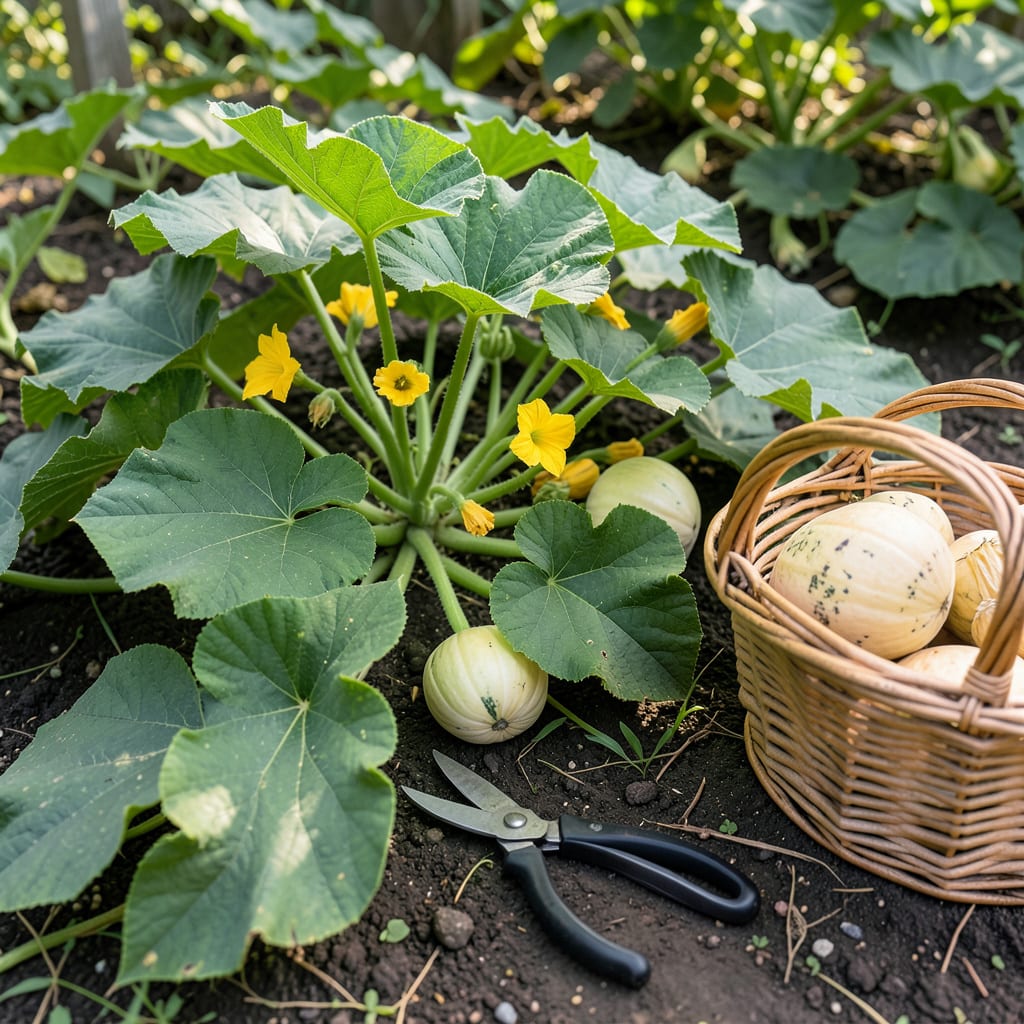
As spring gives way to summer, your 🎃 Buttercup Squash is maturing in the garden. But when exactly is it ready to pick? Knowing the right time to harvest is crucial for enjoying its rich flavor and creamy texture.
In USDA Zone 6a, you can typically expect to harvest your Buttercup Squash between June and July. I’ll guide you through the signs of readiness and help you determine the perfect time to bring in your crop.


Knowing when to harvest your buttercup squash is crucial for enjoying its best flavor and texture. The key is to watch for specific visual cues and maturity indicators that signal when it’s ready.
First, check the color of your buttercup squash. A ripe squash will have a deep yellow to orange color, depending on the variety. The skin should also be hard and glossy, resisting pressure from your thumbnail.
Another important sign is the size and stem condition. Buttercup squash is typically ready when it reaches 6-8 inches in diameter. The stem should be dry and brown, indicating that the squash has fully matured and is ready to be harvested.
To ensure you’re harvesting at the right time, check your squash regularly. Gently press the skin with your thumbnail; if it’s ripe, it should be firm and not easily indented. If it’s still soft or indented easily, it needs more time on the vine 🌼.
It’s also important to harvest before the first frost. In most regions, buttercup squash is ready to harvest in late summer to early fall, around 50-60 days after planting. Check the weather forecast and be prepared to harvest all mature squash before the first frost hits ❄️.
When you’re ready to harvest, use pruning shears or a sharp knife to cut the squash from the vine, leaving a few inches of stem attached. This helps prevent damage to the fruit and improves storage life.
After harvesting, cure your buttercup squash in a warm, dry place for about 10 days to harden the skin further. This step is crucial for improving storage quality and longevity.
By following these guidelines, you’ll be able to enjoy your homegrown buttercup squash at its best. Properly timed harvests result in better flavor, texture, and storage capabilities, making all your gardening efforts worthwhile 🌿.
For long-term storage, keep your cured buttercup squash in a cool, dry place with good air circulation. When stored properly, they can last for several months, providing you with delicious, nutritious meals throughout the winter 🎃.
Remember, the key to successful buttercup squash harvest is regular monitoring and timely picking. With practice, you’ll become more confident in determining when your squash is perfectly ripe and ready to enjoy.
Harvesting buttercup squash requires careful attention to detail to ensure you’re picking at the right time. I’ll guide you through the process, from checking for readiness to handling the squash after harvest.
First, it’s essential to understand that buttercup squash is ready to harvest when it has reached full maturity. This typically occurs 50-60 days after planting, depending on the variety and growing conditions.
After harvesting, it’s crucial to handle your buttercup squash with care to maintain its quality. Avoid bruising or damaging the fruit, as this can reduce its storage life.
For optimal storage, keep your cured buttercup squash in a cool, dry place with good air circulation. When stored properly, they can last for several months, providing you with delicious, nutritious meals throughout the winter 🎃.
By following these steps, you’ll be able to enjoy your homegrown buttercup squash at its best, with better flavor, texture, and storage capabilities 🌼.
Regular monitoring and timely harvesting are key to a successful buttercup squash crop. With practice, you’ll become more confident in determining when your squash is perfectly ripe and ready to enjoy.
Proper harvesting techniques not only ensure the quality of your current crop but also contribute to a bountiful harvest in the future 🌱.
After harvesting your buttercup squash, proper storage and handling are crucial to maintain its quality and extend its shelf life. I’ll share some valuable tips on how to store and use your freshly harvested squash.
Store cured buttercup squash in a cool, dry place with good air circulation to keep them fresh for several months.
First, it’s essential to cure your buttercup squash after harvesting. This involves keeping them in a warm, dry place for about 10 days to harden the skin further. This step is crucial for improving storage quality and longevity.
Once cured, store your buttercup squash in a cool, dry place with good air circulation. The ideal storage temperature is between 50°F to 60°F (10°C to 15°C). Avoid storing them in humid or warm environments, as this can lead to spoilage 🥒.
When it comes to using your harvested buttercup squash, the possibilities are endless! You can roast, bake, or sauté them to bring out their natural sweetness. Simply peel, dice, and cook them according to your favorite recipe.
One of my favorite ways to enjoy buttercup squash is by roasting it with some olive oil, salt, and pepper. Simply cut the squash in half, scoop out the seeds, and roast it in the oven at 400°F (200°C) for about 45 minutes, or until tender 🔥.
You can also use buttercup squash in soups, stews, and casseroles. Its creamy texture and sweet flavor make it a versatile ingredient in many dishes. Experiment with different recipes to find your favorite ways to enjoy your homegrown squash 🍲.
By following these storage and usage tips, you’ll be able to enjoy your homegrown buttercup squash for months to come. Proper handling and storage ensure that you get the most out of your harvest, and you can savor the delicious flavor of your labor throughout the winter 🎃.
Regularly check on your stored squash for any signs of spoilage, such as soft spots or mold. Remove any affected squash to prevent the spoilage from spreading to other squash.
With these tips, you’ll be well on your way to enjoying a bountiful harvest of delicious, homegrown buttercup squash. Happy cooking! 🍳
Check for a deep yellow to orange color and hard, glossy skin. The squash should be 6-8 inches in diameter with a dry, brown stem. Gently press the skin with your thumbnail; if it’s ripe, it should be firm and not easily indented.
Use pruning shears or a sharp knife to cut the squash from the vine, leaving a few inches of stem attached. This helps prevent damage and improves storage life. Be careful not to bruise or damage the fruit.
First, cure the squash in a warm, dry place for about 10 days. Then, store them in a cool, dry place with good air circulation at temperatures between 50°F to 60°F (10°C to 15°C). Check regularly for signs of spoilage.
It’s best to cure the squash for 10 days before using. After curing, you can roast, bake, or sauté them. Simply peel, dice, and cook according to your favorite recipe.
