
Beautiful Plants For Your Interior
Beautiful Plants For Your Interior
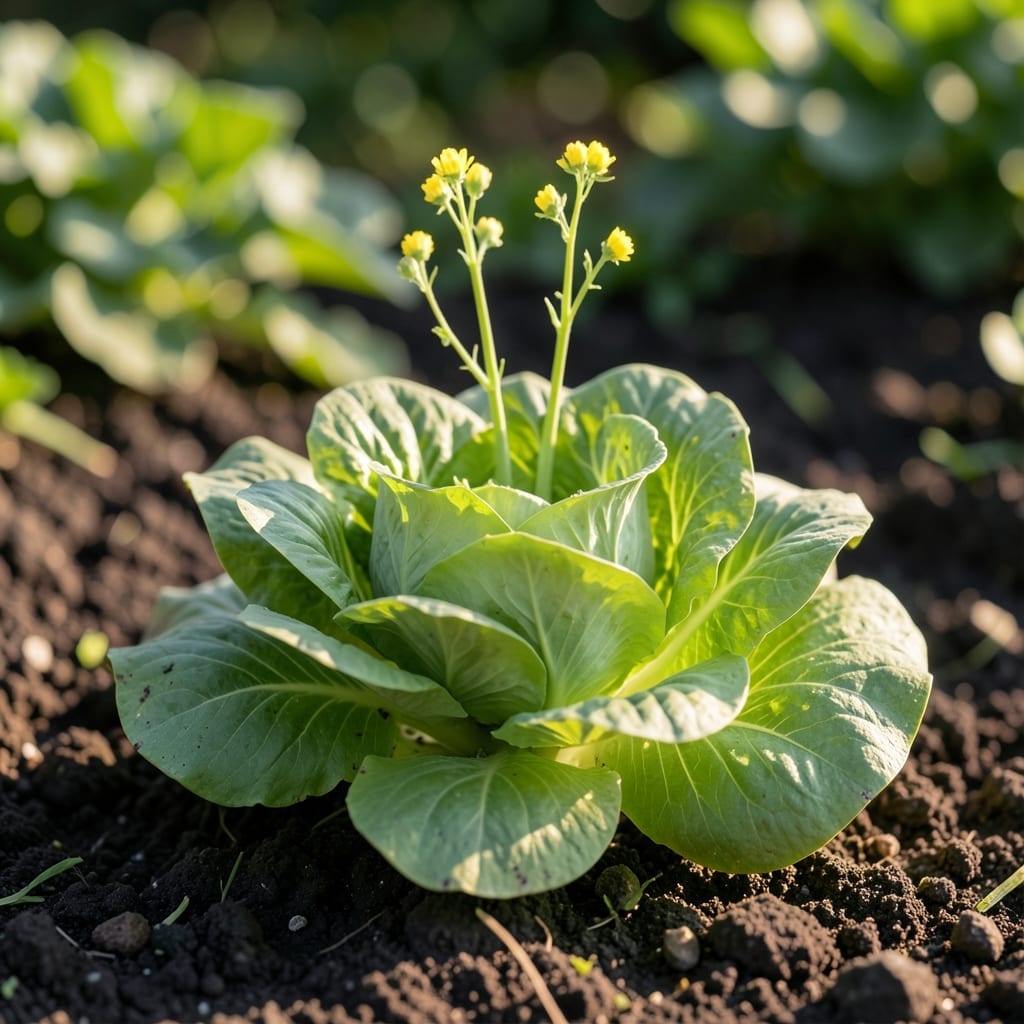
That tall, lanky stalk shooting up from your butter lettuce isn’t a mistake. It’s the plant telling you it’s ready to reproduce, and understanding this phase changes how you grow.
I used to panic when I saw those flower stalks forming, thinking I’d done something wrong. Turns out, butter lettuce bolts when it senses stress from heat or long days—nature’s way of ensuring survival. The leaves turn bitter, but that’s temporary.
Here’s the thing—you can either harvest immediately for sweet leaves or let it flower to collect seeds for next season. I’ve done both, and each has its rewards.
Works in containers or garden beds, and the flowers themselves attract beneficial insects. The choice is yours.
Butter lettuce, a cool-season crop, typically bolts (or flowers) due to environmental stress or natural growth cycles. Here’s why it happens:
When temperatures rise above 75°F (24°C), butter lettuce perceives it as a signal to reproduce before heat stress damages its leaves. This triggers the plant to divert energy from leaf production to flower formation. Even a sudden warm spell can initiate bolting, especially in mature plants.
As a long-day plant, butter lettuce responds to increasing daylight hours (typically 14+ hours of light). In spring, longer days stimulate hormonal changes, prompting the plant to flower. This is nature’s way of ensuring seed production before summer’s heat.
Inconsistent watering, drought, or root damage can stress the plant, pushing it into survival mode. Stressed lettuce often bolts prematurely to produce seeds before dying. Overcrowding or poor soil nutrition can also accelerate this process.
Even under ideal conditions, butter lettuce will eventually flower as part of its natural life cycle. Varieties like Buttercrunch may take 50–70 days to bolt, while others resist longer. Once the plant matures, flowering is inevitable.
If your butter lettuce is flowering prematurely or you want to encourage blooms for seed collection, these targeted solutions will help you regain control. Addressing the root causes ensures a healthy, productive plant.
Butter lettuce thrives in cooler temperatures (60–70°F). If heat is triggering flowering, move plants to a shadier spot or use shade cloth. For container gardening, shift pots indoors near a bright window. Prevention tip: Plant in early spring or late summer to avoid peak heat.
Fluctuations in water, light, or soil nutrients stress the plant, prompting bolting. Maintain even moisture (not soggy) and feed with a balanced fertilizer every 2–3 weeks. Prevention tip: Use mulch to retain soil moisture and temperature.
Competition for resources can force early flowering. Thin seedlings to 8–12 inches apart or transplant to larger containers. Prevention tip: Sow seeds in stages to avoid overcrowding from the start.
If you want flowers for seed saving, provide 12–14 hours of light daily using grow lights. Reduce nitrogen-heavy fertilizers and switch to a phosphorus-rich formula to support blooming. Pro tip: ✨ Gently shake plants to aid pollination if growing indoors.
With these adjustments, you can either delay unwanted flowering or intentionally coax blooms for a bountiful seed harvest.
Yes, but they’ll taste more bitter as energy shifts to seed production. Harvest outer leaves quickly for the best flavor, or let it fully bolt to collect seeds instead.
Plant in cooler weather (60–70°F) and provide consistent water. Use shade cloth if heat spikes, and avoid overcrowding to reduce stress.
After flowering begins, seeds typically mature in 2–3 weeks. Watch for dried seed heads—collect them once they turn brown and brittle.
No, but collected seeds may produce plants more prone to early flowering. Save seeds from the healthiest, slowest-bolting plants for better results.