
Beautiful Plants For Your Interior
Beautiful Plants For Your Interior
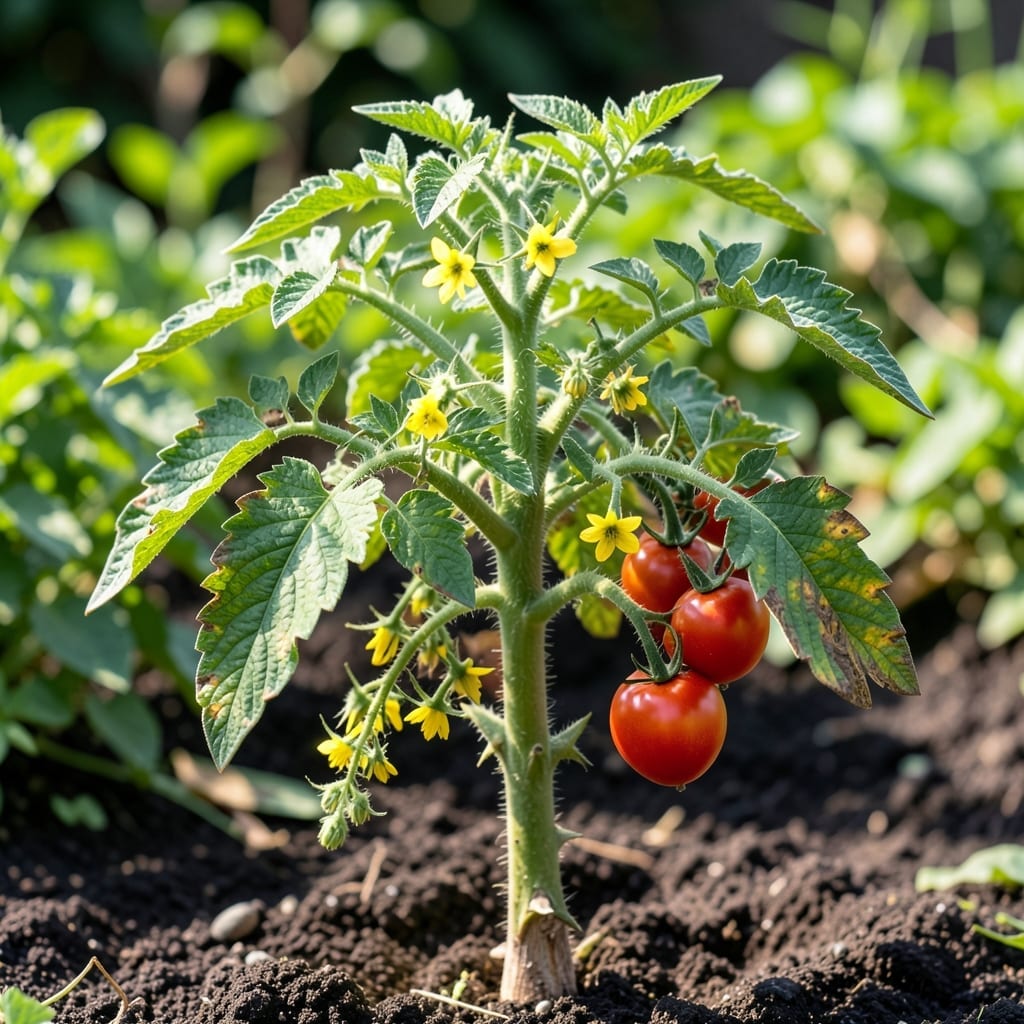
Those crispy brown edges on your tomato leaves aren’t just ugly—they’re a distress signal. I’ve lost count of how many plants I’ve saved by catching this early, and the fixes are simpler than you’d expect.
Sunburn, nutrient overload, or disease can all leave leaves looking fried. The good news? Each cause has a clear solution, from adjusting water to adding shade. Most plants bounce back within 1-2 weeks with the right care.
You’ll learn to spot the difference between damage and disease, then take steps to nurse your plants back to health. No fancy tools needed—just observation and a few tweaks.
Works for patio containers and garden beds alike. Here’s how to diagnose and fix it fast.
Tomato leaves turn brown and crispy for several specific reasons, often tied to environmental stress or care mistakes. Here’s why it happens:
Excess synthetic fertilizers, especially those high in nitrogen or potassium, increase soil salinity. This draws moisture out of roots, leading to dehydration and burnt edges on leaves. Organic fertilizers can also cause this if overapplied.
Inconsistent watering—either too little or too much—disrupts nutrient uptake. Drought causes leaves to dry out, while waterlogged roots suffocate, both resulting in scorched foliage. Tomatoes need 1–2 inches of water weekly, adjusted for climate.
Intense sunlight, especially in hot climates, can literally burn leaves. This often appears as white or tan patches on upper leaves first. Shade cloth (30–50%) during peak heat (1–4 PM) prevents this.
Sudden cold snaps (below 50°F) or heat spikes (above 90°F) shock plants, causing leaf margins to die back. Harden off seedlings and use row covers to stabilize temperatures.
Herbicides, fungicides, or even foliar sprays applied in direct sun can cause chemical burns. Always apply treatments in the early morning or evening, and rinse leaves afterward if needed.
When your tomato plants show signs of leaf burn, quick and targeted action can nurse them back to health. Below are practical solutions for the most common causes, along with prevention tips to keep your garden thriving.
If intense sunlight is the culprit, erect a shade cloth (30-50% shade) over the plants during peak afternoon hours. For a DIY fix, use a light-colored bedsheet or row cover. Prevention tip: Gradually acclimate seedlings to outdoor light (harden off) over 7-10 days before transplanting.
Salt buildup from excess fertilizer burns roots and leaves. Leach the soil by running water through the root zone for 10-15 minutes to wash away salts. Prevention tip 💡: Always follow package instructions for fertilizer amounts, and use slow-release organic options like compost or worm castings.
High temperatures can scorch leaves. Mulch around the base with straw or grass clippings to retain moisture and cool the soil. Ensure plants have 18-24 inches of spacing for airflow. Prevention tip: Water deeply in the early morning to help plants withstand midday heat.
If herbicides or pesticides caused the burn, rinse the leaves with a gentle spray of water to remove residue. Prune severely damaged leaves to redirect energy to healthy growth. Prevention tip ✨: Spot-test sprays on a single leaf before full application, and avoid spraying on windy days.
Dry, crispy leaves often signal thirsty plants. Water deeply 1-2 inches per week, focusing on the base to avoid wetting the foliage. Use a drip irrigation system for consistent moisture. Prevention tip: Stick your finger 1-2 inches into the soil—if it’s dry, it’s time to water.
No, damaged leaves won’t heal, but the plant can grow new ones. Remove severely burnt foliage to redirect energy to healthy growth. New leaves typically appear within 1-2 weeks with proper care.
Use 30-50% shade cloth during peak afternoon hours. Water deeply in the early morning and mulch the soil to retain moisture. This keeps roots cool and reduces stress.
Rinse leaves immediately with water to remove residue. Prune affected leaves and monitor the plant for new growth. Avoid spraying chemicals on windy days.
Both can cause damage. Overwatering suffocates roots, while underwatering dries them out. Aim for consistent moisture—1-2 inches per week, adjusted for your climate.