
Beautiful Plants For Your Interior
Beautiful Plants For Your Interior
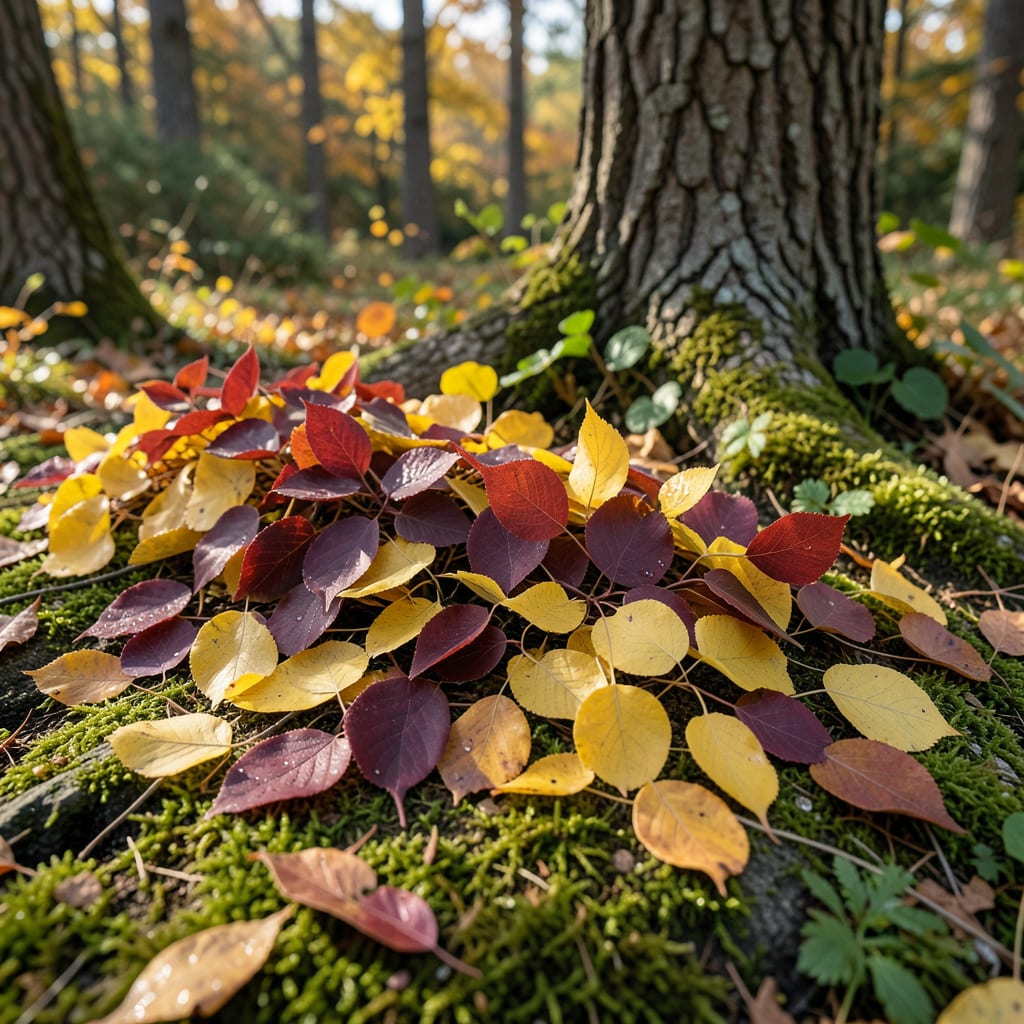
Yellow leaves on your burning bush aren’t just unsightly—they’re a cry for help. I’ve seen this happening in my own garden, and the causes range from too much love to not enough of the right kind.
Overwatering, poor drainage, or nutrient deficiencies are the usual suspects. Sometimes it’s pests or disease, but more often it’s simple cultural issues we can fix with small adjustments to water, soil, or sunlight.
The good news? Burning bushes are tough. With the right diagnosis, you can reverse the yellowing and restore that vibrant red foliage within weeks.
Let’s figure out what’s really going on with your plant and how to set it right again.
Your burning bush (Euonymus alatus) may develop yellow leaves due to several environmental, cultural, or pathological factors. Here’s a breakdown of the most common causes:
Excessive moisture or poorly draining soil suffocates the roots, preventing oxygen uptake. This leads to root rot, which disrupts nutrient absorption—especially nitrogen—causing leaves to turn yellow (chlorosis). Check soil moisture before watering; aim for the top inch to dry out between waterings.
Yellowing often signals a lack of essential nutrients. Nitrogen deficiency typically causes uniform yellowing (starting with older leaves), while iron or magnesium shortages create interveinal chlorosis (yellowing between veins). Conduct a soil test and amend with a balanced fertilizer or targeted micronutrients.
Extreme heat, drought, or sudden temperature swings stress the plant, triggering leaf discoloration. Burning bushes thrive in full sun to partial shade; too much direct sunlight in hot climates can scorch foliage. Ensure consistent watering during dry spells and provide afternoon shade in scorching regions.
Spider mites, aphids, or scale insects sap plant juices, weakening the bush and causing yellowing. Fungal diseases like powdery mildew or leaf spot also discolor leaves. Inspect undersides of leaves for pests or spots, and treat with horticultural oil or fungicide as needed.
If your burning bush leaves are turning yellow, don’t panic—most issues are fixable with the right approach. Below are targeted solutions for common causes, along with prevention tips to keep your plant thriving.
Yellow leaves often signal too much water. Let the top 1–2 inches of soil dry out between waterings. If the soil stays soggy, improve drainage by:
Prevention: Use a moisture meter or the finger test to check soil dampness before watering. 🌡️
Yellowing between leaf veins (interveinal chlorosis) often means iron or nitrogen deficiency. Fix it by:
Prevention: Test soil annually and amend as needed. ✨
Burning bushes love full sun (6+ hours), but scorching afternoon rays or deep shade can stress them. If leaves yellow in patches:
Prevention: Plant in a location with consistent light exposure. 🎯
Check undersides of leaves for spider mites, aphids, or fungal spots. Act fast:
Prevention: Keep foliage dry, space plants for airflow, and remove fallen debris. 💡
Water deeply 1-2 times per week, allowing the top 1-2 inches of soil to dry out between waterings. Overwatering is a common cause, so always check soil moisture first.
Use a balanced 10-10-10 fertilizer for general health. For iron deficiency, add chelated iron. Test soil first to target the right nutrient.
Yes, scorching afternoon sun can stress leaves. Provide morning sun with afternoon shade in hot climates. Shade cloth helps protect in-ground plants.
Inspect leaf undersides for spider mites, aphids, or scale. Look for webbing, sticky residue, or tiny moving dots. Treat with insecticidal soap if found.
