
Beautiful Plants For Your Interior
Beautiful Plants For Your Interior
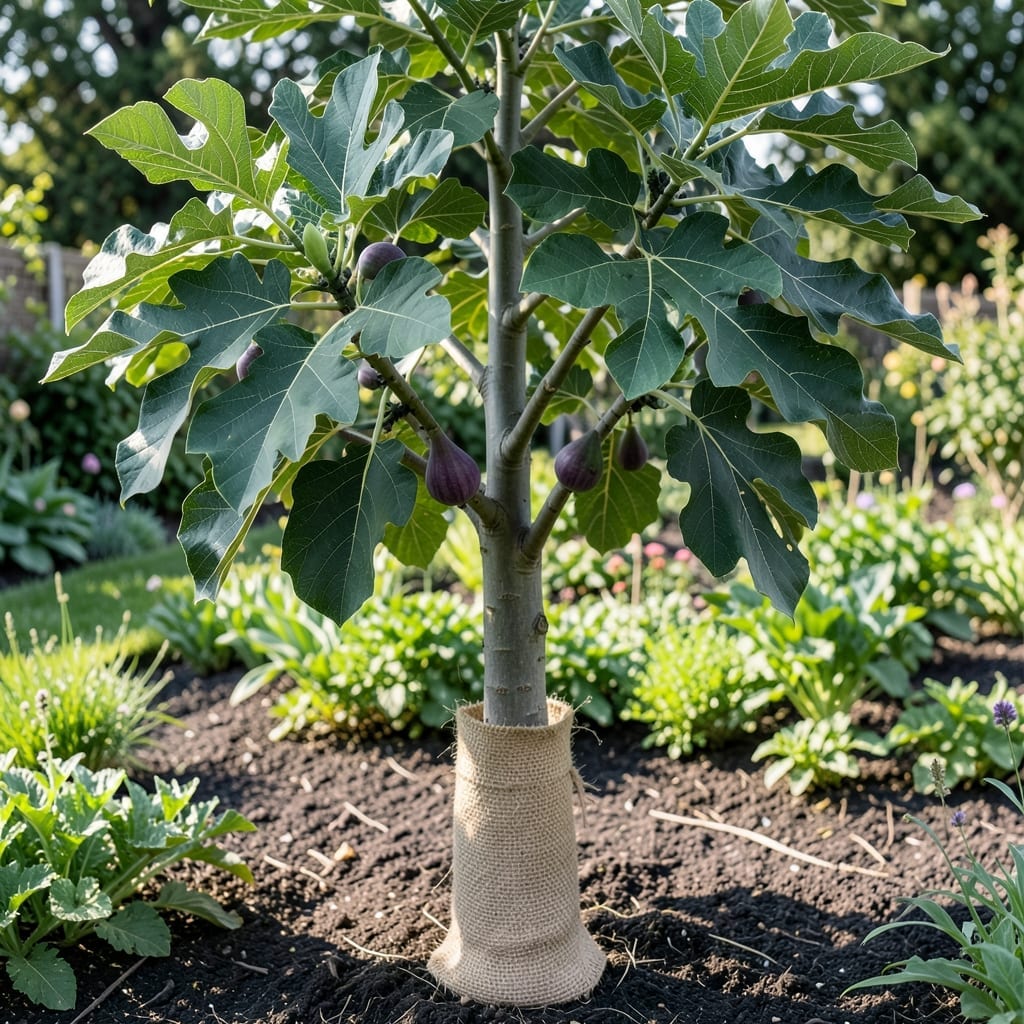
Wrapping fig trees in burlap protects them from freezing temperatures, wind damage, and winter burn. The breathable fabric shields trunks while allowing moisture to escape, preventing rot.
I’ve found burlap works like a natural barrier against harsh winter elements while still letting the tree breathe. It’s particularly effective in climates with temperature swings that can crack bark. 🔥 The material’s coarse weave also discourages pests from nesting in the trunk during colder months.
What makes this method stand out is its balance of protection and practicality. Unlike plastic wraps, burlap won’t trap excess moisture, which is crucial for preventing fungal issues. ✨
💡 In This Article
Burlap’s open weave traps a layer of still air around the trunk, acting like natural insulation. This air pocket maintains temperatures 10-15°F warmer than the surrounding environment, preventing bark splitting during freeze-thaw cycles. The material’s density blocks 20-30 mph winds that can desiccate cambium tissue. 🔥
Unlike plastic, burlap’s natural fibers allow 85-90% air circulation, which is critical for preventing condensation buildup. This breathability stops the moist environment that encourages fungal growth and bark rot. The coarse texture also deters rodents from gnawing on the trunk. ✨
The fabric’s light color reflects 30-40% of sunlight, reducing sunscald risk on south-facing sides. This is especially important for young fig trees with thinner bark. I’ve seen burlap-wrapped trees survive -5°F temperatures that would damage unprotected specimens. 💫
Burlap’s biodegradability means it won’t harm soil if fibers degrade over time. It typically lasts 2-3 seasons before needing replacement. The material’s weight (10-12 oz per square yard) provides enough stability to resist wind while remaining easy to handle.
What sets burlap apart from synthetic alternatives is its ability to maintain this protective balance. It insulates without overheating, blocks without suffocating, and protects without harming the tree’s natural processes. ⚡
Wrap after the first frost but before deep freeze, typically late fall. This timing protects dormant trees from winter damage. Remove it after the last spring frost.
Secure enough to stay in place but loose enough to allow trunk expansion. Overlap layers by 2-3 inches to prevent cold air gaps.
Yes, if stored dry after removal. Natural burlap lasts 2-3 seasons before fibers degrade. Inspect for tears or rot before reusing.
Actually, the coarse texture deters rodents. For extra protection, tuck the bottom edge 1-2 inches into soil to block burrowing pests.