
Beautiful Plants For Your Interior
Beautiful Plants For Your Interior
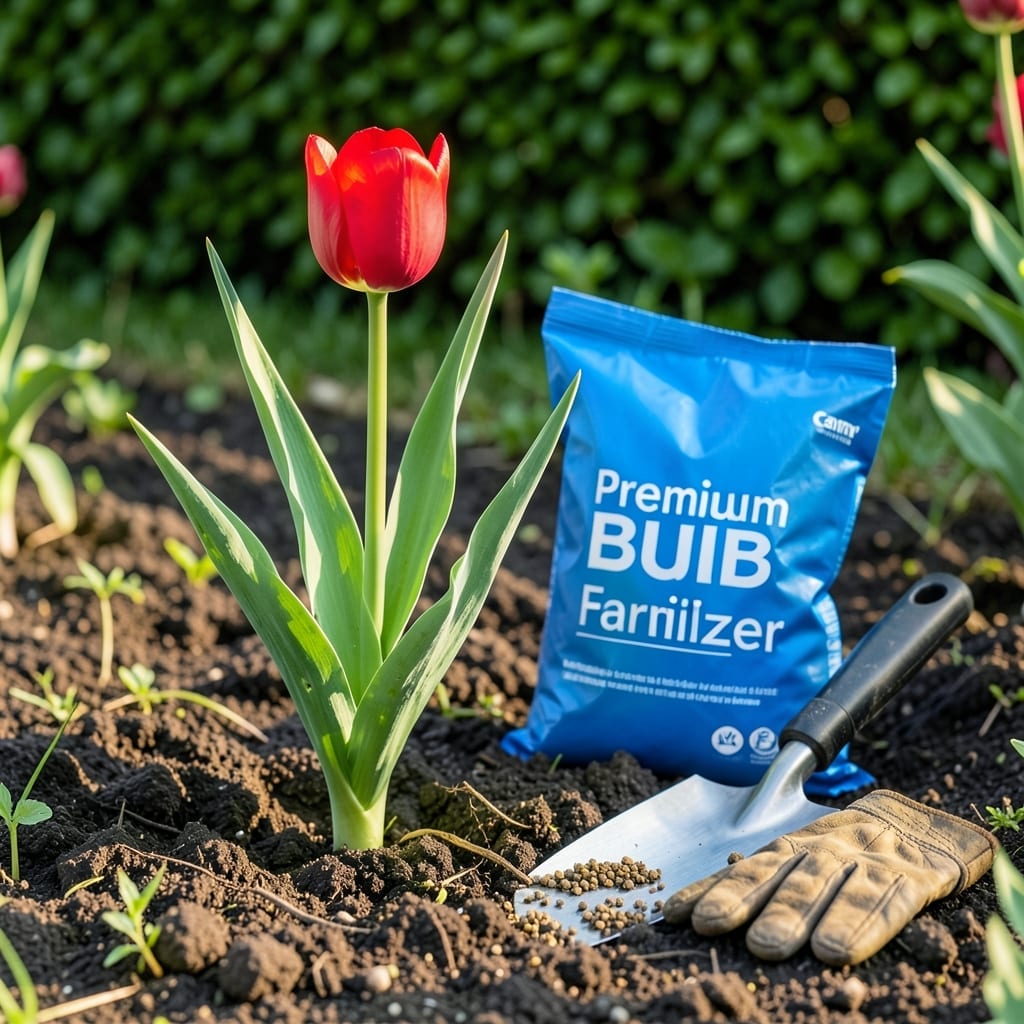
Want vibrant, long-lasting 🌷 tulip blooms every spring? The secret lies in choosing the right nourishment to feed your plants from root to petal.
I’ve discovered that proper fertilization makes all the difference in bloom quality and plant health. It’s not just about making your tulips grow – it’s about making them thrive.
Discover how to transform your garden with simple yet effective techniques that bring out the best in your tulips. Let’s get started.
Choosing the right bulb fertilizer for tulips can transform your spring garden. I’ve seen firsthand how the proper nutrients boost vibrant blooms and strong stems year after year.
Tulips thrive with balanced nutrition, but not all fertilizers are equal. The key is understanding NPK ratios and release types that match their growth stages.
| Fertilizer Type | NPK Ratio | Best For | Application Time |
|---|---|---|---|
| Bone Meal | 3-15-0 | Root development | Fall planting |
| 10-10-10 Balanced | 10-10-10 | Overall growth | Early spring |
| Bulb Food | 5-10-10 | Bloom boost | Post-bloom |
| Compost Tea | 1-1-1 | Soil health | Monthly |
Organic options like bone meal and compost feed soil microbes while providing nutrients. They’re ideal for long-term soil health and sustainable gardening.
Synthetic fertilizers offer quick nutrient release and precise NPK ratios. I recommend them for immediate bloom support, especially in poor soils.
Slow-release granules are my top pick for low-maintenance tulip care. They feed bulbs gradually, matching the natural growth cycle without risk of burning.
For newly planted bulbs, I always use a high-phosphorus fertilizer like 5-10-10 to encourage strong root growth before winter dormancy.
In early spring, switch to a balanced fertilizer to support stem and leaf development. This is when tulips are building energy for spectacular blooms.
After blooming, a low-nitrogen fertilizer helps bulbs store energy for next year. I’ve found this post-bloom feeding is crucial for perennial tulips.
Always water deeply after applying fertilizer to help nutrients reach the root zone. This simple step prevents fertiger burns and ensures effective uptake.
Timing your tulip fertilization is just as important as choosing the right product. I’ve learned that fall planting and early spring are the critical windows for feeding bulbs.
The best fertilizer schedule aligns with tulip growth stages: root development in fall, stem growth in spring, and bulb replenishment after blooming.
For granular fertilizers, I scatter 1 tbsp per bulb or 2 lbs per 100 sqft and lightly work it into the top 2-3 inches of soil. This prevents nutrient runoff and ensures even distribution.
Liquid fertilizers work well for quick nutrient uptake. I dilute them to half strength and apply every 4-6 weeks during the growing season. Always water deeply after feeding.
The best time to fertilize is in the early morning when soil is moist. This helps nutrients penetrate the root zone and reduces the risk of leaf burn from fertilizer contact.
Avoid fertilizing during summer dormancy or winter freeze. Tulips aren’t actively growing then, so extra nutrients would go to waste or potentially harm the bulbs.
I always mark my fertilizer schedule on the calendar to stay consistent. This simple habit has helped me achieve bigger, brighter blooms every year 🌷