
Beautiful Plants For Your Interior
Beautiful Plants For Your Interior
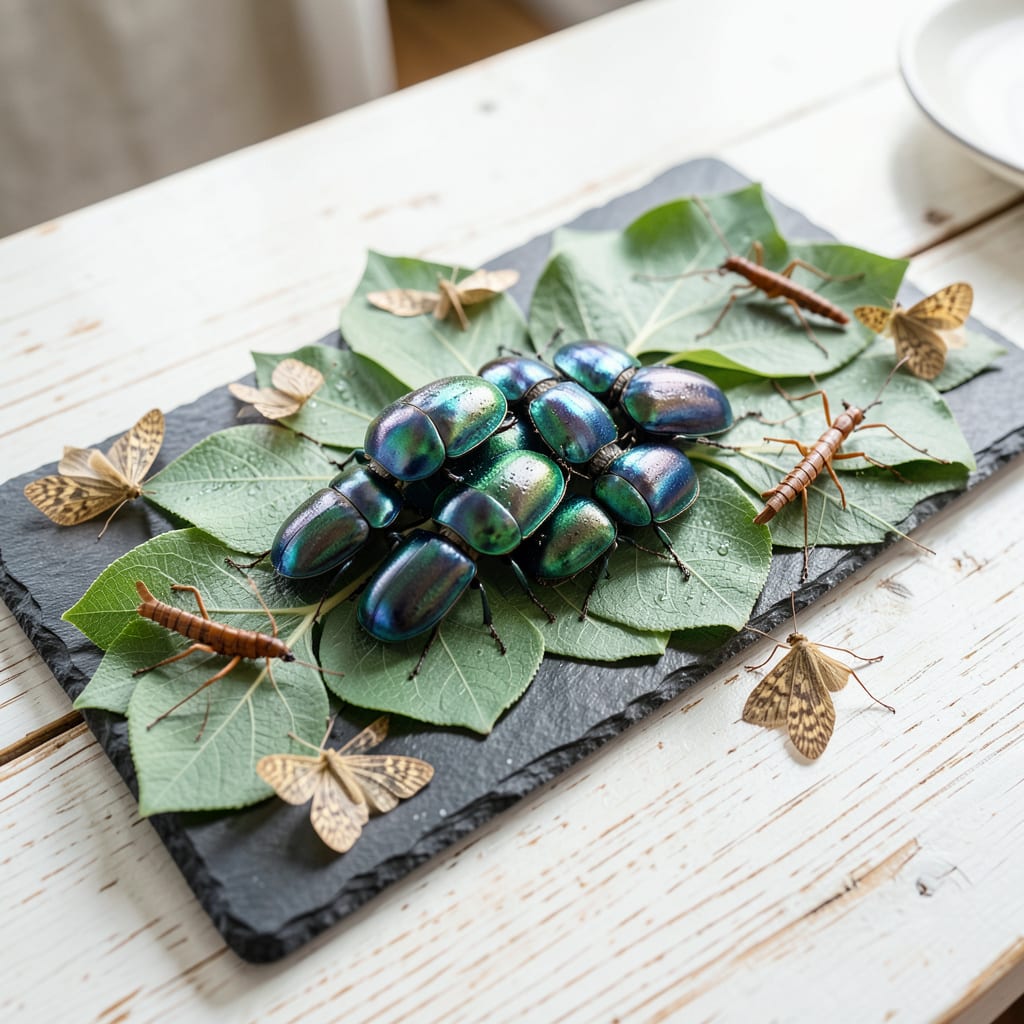
Eucalyptus leaves turning to lace overnight? I’ve been there. Tiny holes, ragged edges, or entire leaves disappearing—your tree is under attack. The culprits are usually beetles, caterpillars, or psyllids, each leaving a distinct calling card.
Left unchecked, these pests weaken your eucalyptus, stunting growth and leaving it vulnerable to disease. But here’s the thing—most infestations can be managed without harsh chemicals. A little vigilance and the right approach can restore balance fast.
You’ll spot the difference within 48 hours of treatment. Leaves regain their vibrant green, new growth returns, and your tree starts thriving again. The key is acting before the damage spreads.
Works for young saplings or mature trees, in backyards or containers. Let’s identify and evict those unwelcome guests.
Eucalyptus trees, while hardy and aromatic, often fall victim to leaf-eating bugs due to a mix of natural and environmental factors. Understanding these causes can help you address the issue effectively.
Eucalyptus is the primary food source for certain insect species, particularly in their native Australia. Bugs like the eucalyptus longhorn borer and psyllids have evolved to thrive on its leaves, which contain unique oils and compounds they can digest. These insects are highly specialized, making eucalyptus an irresistible target.
Drought, poor soil quality, or extreme temperatures can weaken a eucalyptus tree, making it more susceptible to pests. Stressed trees produce fewer defensive chemicals in their leaves, signaling to insects that they’re an easy meal. Ensuring proper watering and soil health can reduce this vulnerability.
Eucalyptus leaves are packed with nutrients and essential oils, which attract not only specialized pests but also generalist feeders like caterpillars and beetles. The high moisture content in fresh leaves further entices insects seeking hydration and sustenance.
In non-native regions, eucalyptus trees often lack their natural predators (e.g., certain birds or parasitic wasps) that keep pest populations in check. Without these controls, leaf-eating bugs can multiply rapidly, leading to visible damage.
Dealing with bugs that munch on eucalyptus leaves can be frustrating, but there are effective ways to address and prevent the issue. Below are practical solutions tailored to common causes, along with prevention tips to keep your trees healthy.
For small outbreaks, manually remove pests like caterpillars or beetles by handpicking them off the leaves. Wear gloves and drop them into a bucket of soapy water. If the damage is localized, prune the affected branches and dispose of them properly to prevent further spread. Prevention tip: 💡 Inspect your eucalyptus trees regularly, especially during warm seasons when pests are most active.
Apply natural insecticides like neem oil or insecticidal soap to deter pests without harming beneficial insects. Mix according to package instructions and spray directly on the leaves, focusing on the undersides where bugs often hide. Prevention tip: ✨ Reapply after rain or every 7–10 days for ongoing protection.
Encourage natural predators such as ladybugs, lacewings, or parasitic wasps, which feed on leaf-eating pests. You can purchase these beneficial insects from garden centers or create a habitat to attract them, like planting companion flowers. Prevention tip: 🎯 Avoid broad-spectrum pesticides that kill helpful insects along with pests.
Stressed eucalyptus trees are more vulnerable to pests. Ensure proper watering (deep but infrequent), mulch to retain moisture, and fertilize with a balanced formula if the soil is poor. Prevention tip: 🌡️ Monitor soil moisture and avoid overwatering, which can attract root-loving bugs.
Eucalyptus longhorn borers, psyllids, and sawfly larvae are the top offenders. Each leaves distinct damage patterns, from tunnels in leaves to skeletonized foliage.
Bug damage often appears as holes, chewed edges, or webbing. Disease usually causes discoloration or spots. Check leaf undersides for tiny insects or eggs to confirm.
Act at first signs of damage, ideally in early morning or evening when pests are most active. Treat every 7-10 days until the problem resolves.
Use only if natural methods fail. Opt for targeted insecticides and avoid spraying during bloom to protect pollinators. Always follow label instructions.
