
Beautiful Plants For Your Interior
Beautiful Plants For Your Interior
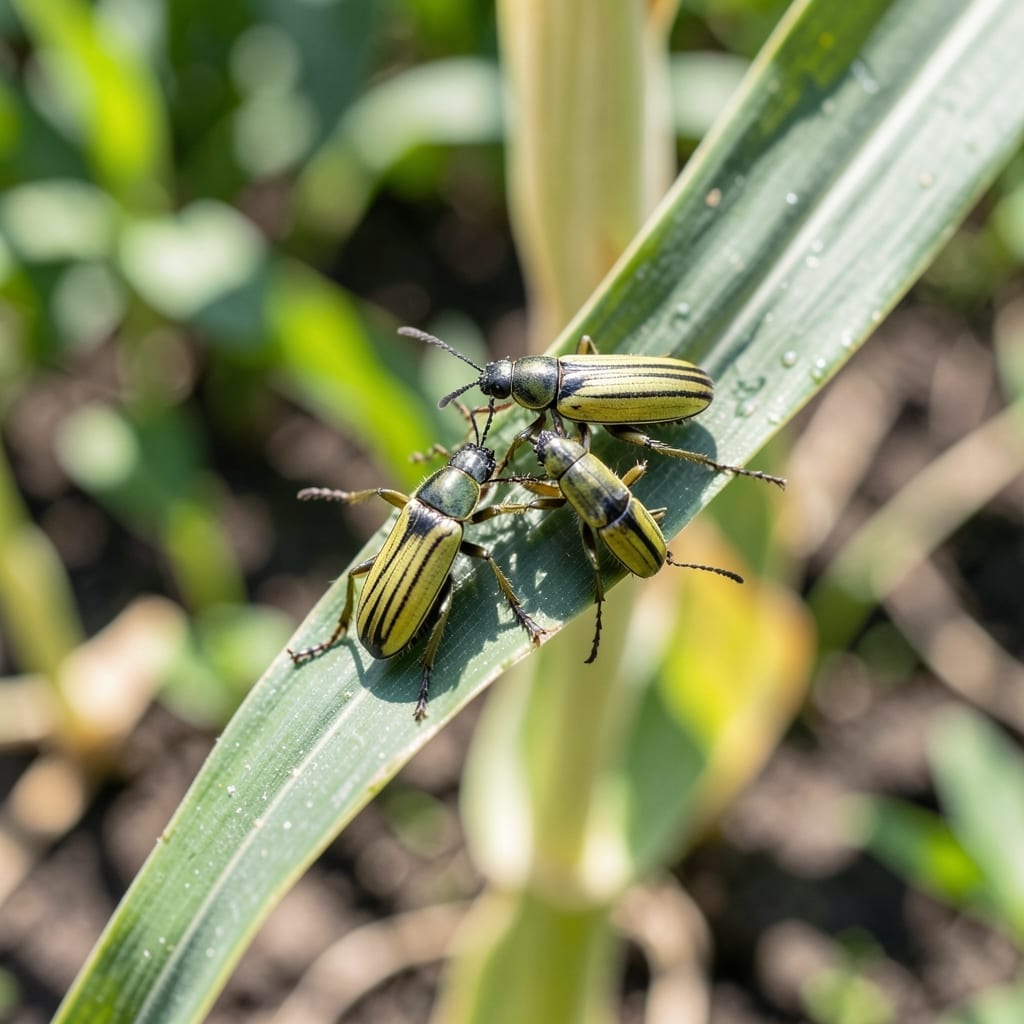
Watching corn leaves turn to lace overnight is heartbreaking. I’ve lost entire plantings to pests that seemed to appear out of nowhere, but now I spot the early warning signs before damage spreads.
Chewed leaves, wilting stalks, or silk that’s been clipped—each clue points to a specific culprit. The good news? Most can be controlled without harsh chemicals once you know what you’re dealing with.
With the right approach, your corn will stay healthy and productive all season. Prevention is simpler than you think, and early action makes all the difference.
Works for backyard patches or larger plantings. Here’s what to watch for and how to respond.
Corn plants are a magnet for certain insects due to a mix of biological and environmental factors. Understanding these causes helps you address the root of the problem.
Corn emits volatile organic compounds (VOCs) that act as dinner bells for pests like corn earworm and fall armyworm. These chemicals signal fresh, nutritious tissue, drawing insects from miles away. Young corn, in particular, releases higher concentrations of these attractants.
Corn is packed with sugars, proteins, and starches—ideal for insect growth. Pests like corn rootworms target roots for moisture and nutrients, while aphids pierce stems to feed on sap. The plant’s high nutritional value makes it a prime target.
Warm, humid climates accelerate pest activity. Corn planted in dense rows with poor airflow creates a microclimate that traps moisture and heat, fostering infestations. Drought-stressed plants also emit distress signals, attracting more bugs.
Large fields of single-crop corn provide an endless buffet for pests. Without natural predators or plant diversity to disrupt their lifecycle, populations explode. This is a key reason European corn borers thrive in commercial farms.
Dealing with pests on your corn plants can be frustrating, but these practical solutions will help you reclaim your garden. Below are targeted fixes for common culprits, along with prevention tips to keep your corn thriving.
Mix 1 teaspoon of mild dish soap with 1 quart of water and spray directly on aphid clusters. The soap disrupts their cell membranes, killing them on contact. Prevention tip: 💡 Introduce ladybugs or lacewings, natural predators that keep aphid populations in check.
Inspect corn ears regularly and remove any with visible damage or silks chewed by earworms. Dispose of them in a sealed bag to prevent further infestation. Prevention tip: 🎯 Apply Bt (Bacillus thuringiensis), a natural bacteria that targets caterpillars without harming beneficial insects.
Handpick beetles early in the morning when they’re sluggish and drop them into soapy water. For larger infestations, spray neem oil (mixed with water and a drop of dish soap) on leaves. Prevention tip: ✨ Plant trap crops like marigolds or roses nearby to lure beetles away from your corn.
Spider mites thrive in dry conditions, so mist your plants regularly to deter them. For active infestations, spray leaves with water to dislodge mites. Prevention tip: 🌡️ Keep the garden area weeded and avoid overusing nitrogen fertilizers, which attract mites.
Consistency is key—monitor your plants weekly and act at the first sign of trouble. With these steps, your corn will stay healthy and productive!
Look for small holes in leaves or chewed edges, which often indicate aphids or beetles. Wilting stalks or sawdust-like frass near the base may signal corn borers.
Plant companion crops like marigolds or basil to repel pests. Encourage beneficial insects such as ladybugs and lacewings by avoiding harsh pesticides.
Act at the first sign of damage, preferably early morning or late evening when pests are less active. Regular monitoring helps catch problems before they spread.
Yes, but opt for targeted, organic options like Bt or neem oil to minimize harm to beneficial insects. Always follow label instructions carefully.