
Beautiful Plants For Your Interior
Beautiful Plants For Your Interior
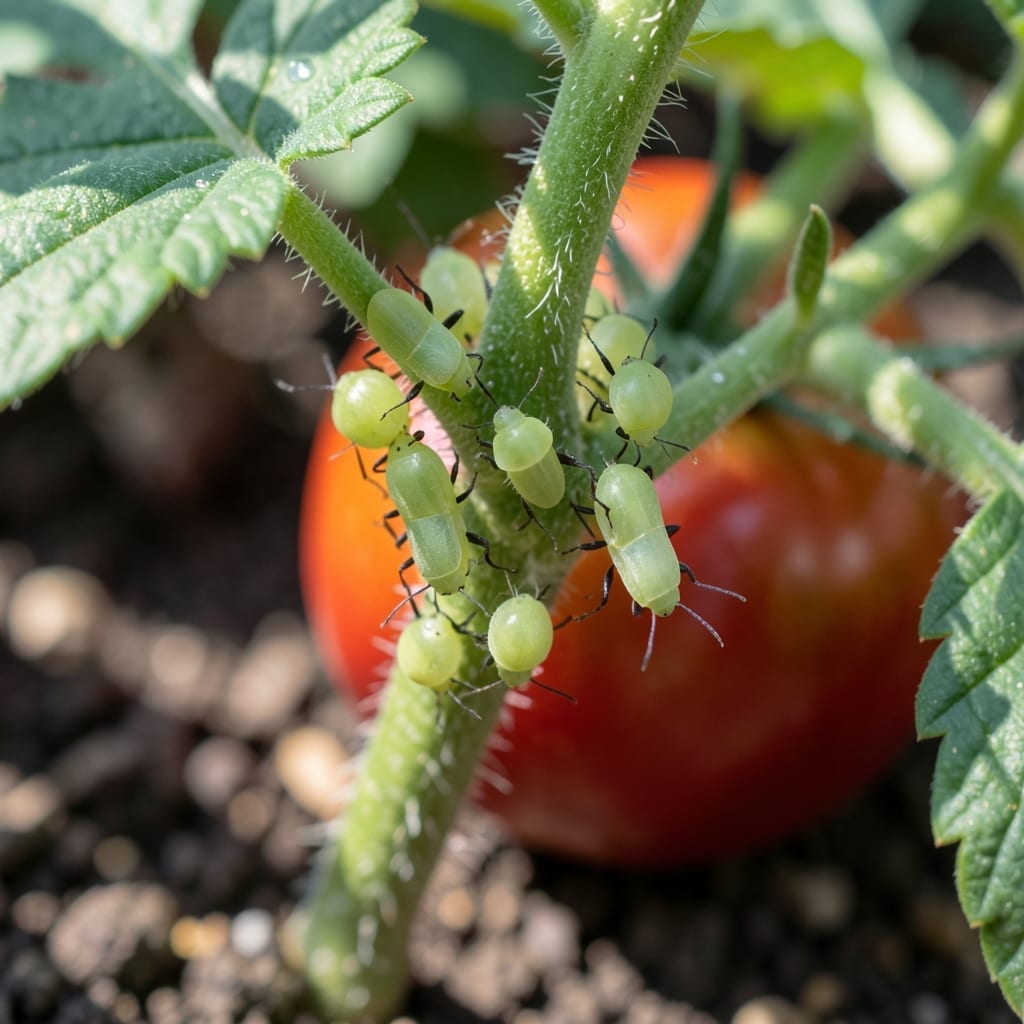
Spotted tiny invaders on your tomato leaves? I’ve been there—one day your plants look fine, the next they’re covered in creatures you can’t name. The key is quick identification before they multiply out of control.
Most tomato pests leave telltale signs: chewed edges, sticky residue, or webbing under leaves. Aphids cluster like green rice, hornworms strip leaves overnight, and whiteflies scatter when disturbed. Each requires a different approach to stop the damage.
With the right images for reference, you’ll confirm what you’re dealing with in seconds. Then it’s just a matter of choosing organic sprays, manual removal, or targeted treatments that protect your harvest.
Works for container or garden plants, and the same methods scale from a few pots to a full backyard patch. Here’s how to take action fast.
Understanding why bugs appear on your tomato plants is the first step to preventing and controlling infestations. Here are the primary causes, backed by science and practical observations:
Weak or stressed tomato plants are more susceptible to pest attacks. Nutrient deficiencies, improper watering (over or under), and lack of sunlight can compromise the plant’s natural defenses. Nitrogen-deficient plants, for example, produce weaker cell walls, making them an easy target for sap-sucking pests like aphids.
Warm, humid weather creates an ideal breeding ground for many tomato pests, such as whiteflies and hornworms. High humidity encourages fungal growth, which can attract secondary pests. Additionally, overcrowded plantings reduce airflow, trapping moisture and inviting insects to thrive.
Gardens lacking biodiversity often suffer from pest outbreaks. Beneficial insects like ladybugs, lacewings, and parasitic wasps naturally control pest populations by preying on eggs and larvae. Without these biological controls, pest numbers can spiral out of control.
Unbalanced soil pH or excessive use of chemical fertilizers can disrupt the soil microbiome, reducing the plant’s ability to absorb nutrients. This stress signals pests (e.g., spider mites) that the plant is vulnerable. Organic matter-rich soil fosters healthier plants that are more resistant to infestations.
Overuse of pesticides can kill beneficial insects while allowing resistant pests to flourish. Additionally, contaminated tools or soil from infected plants can spread pests to healthy ones. Always sterilize gardening tools and avoid over-applying chemicals.
Dealing with pests on your tomato plants? Here’s how to tackle the most common culprits with simple, effective fixes and prevention tips.
Use a strong stream of water to knock aphids off the plants. For stubborn infestations, spray with insecticidal soap or neem oil. Prevention: Attract ladybugs (natural predators) by planting marigolds nearby.
These tiny pests thrive in dry conditions. Spray plants with water to dislodge them, and apply horticultural oil. Prevention: Keep foliage hydrated and avoid over-fertilizing with nitrogen.
Check plants daily for these large, green caterpillars and pluck them off by hand. Drop them in soapy water to eliminate them. Prevention: Till the soil in fall to disrupt overwintering pupae.
Hang yellow sticky traps near plants to catch adult whiteflies. For larvae, apply insecticidal soap to the undersides of leaves. Prevention: Avoid overcrowding plants to improve airflow.
Sprinkle food-grade diatomaceous earth around the base of plants to deter these jumping pests. Prevention: Use row covers early in the season to block access.
Pro Tip: 💡 Always inspect new plants for pests before introducing them to your garden to avoid spreading infestations!
Those are likely aphids, common sap-sucking pests that cluster on new growth and leaf undersides. They multiply quickly but are easy to dislodge with a strong water spray.
White spots often indicate spider mite damage or powdery mildew. Check for fine webbing under leaves for mites, or a white powdery coating for mildew. Both thrive in dry, crowded conditions.
Encourage natural predators like ladybugs by planting companion flowers. Use row covers early in the season and inspect plants regularly. Neem oil is a safe organic option for most pests.
Hornworms are the likely culprits—they can defoliate plants quickly. Look for dark green caterpillars with white stripes and handpick them at dusk or dawn.