
Beautiful Plants For Your Interior
Beautiful Plants For Your Interior
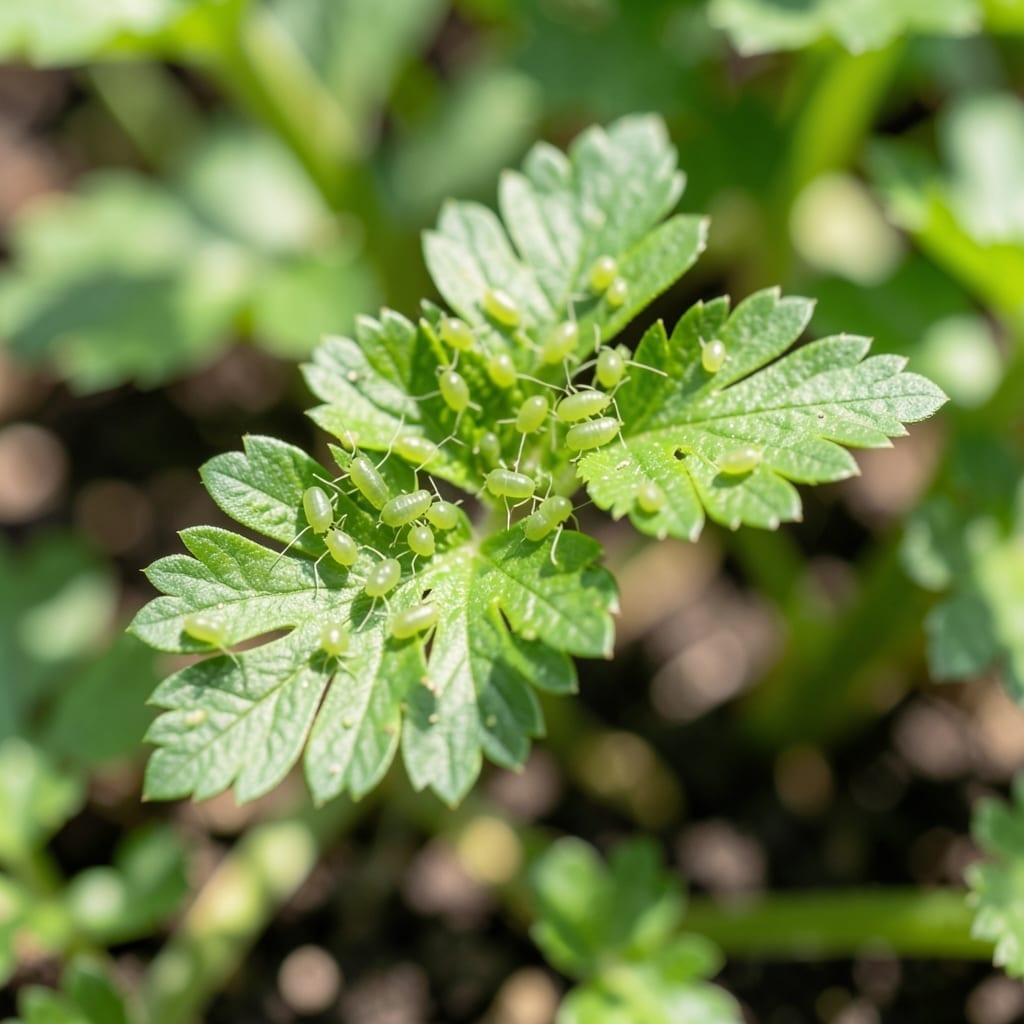
Tiny black dots on your parsley leaves aren’t just dirt. I’ve watched aphids, spider mites, and parsley worms turn healthy plants into Swiss cheese overnight—until I figured out how to stop them cold.
Most gardeners don’t realize these pests target parsley specifically. The good news? You can spot them early with a quick leaf inspection and a white paper test. No microscope needed.
Organic solutions actually work better than chemicals here. A sharp spray of water, some neem oil, or the right companion plants keep them gone for good.
Prevention is simpler than cure. One afternoon of planning now saves you weeks of frustration later. Your parsley can stay lush and productive all season.
Parsley’s lush foliage and aromatic oils make it a magnet for certain insects. Understanding the root causes helps you prevent and address infestations effectively. Below are the primary reasons why bugs target parsley plants:
Parsley contains terpenes and phenolic compounds, which emit strong scents that attract pests like aphids and carrot rust flies. These chemicals signal a food source, drawing insects in search of nourishment or egg-laying sites.
Excess moisture creates a humid environment, ideal for fungus gnats and slugs. Overwatered parsley also weakens roots, making the plant more susceptible to sap-sucking pests like spider mites.
Planting parsley near susceptible crops (e.g., carrots or celery) can amplify pest issues. Shared pests like the parsley worm (black swallowtail caterpillar) thrive when host plants are grouped too closely.
A garden lacking beneficial insects (e.g., ladybugs, lacewings) allows pest populations to explode. Without natural predators, aphids and whiteflies proliferate unchecked on parsley’s tender leaves.
Drought, extreme heat, or nutrient deficiencies stress parsley, reducing its natural defenses. Stressed plants emit volatile organic compounds (VOCs) that attract pests like thrips.
Dealing with pests on your parsley doesn’t have to be a losing battle. Below are targeted solutions for common culprits, along with prevention tips to keep your plants healthy long-term.
Use a strong stream of water to dislodge aphids from leaves. For stubborn infestations, spray with insecticidal soap or neem oil (mix 1 tbsp oil + 1 tsp dish soap per gallon of water). Reapply every 3–5 days until gone.
Prevention: Attract natural predators like ladybugs by planting companion flowers (e.g., marigolds).
These tiny pests thrive in dry conditions. Mist plants daily or use a humidity tray. For severe cases, wipe leaves with a soapy water solution (1 tsp mild soap per quart of water).
Prevention: Keep parsley well-watered and avoid overcrowding plants for better airflow.
Create a physical barrier with copper tape around pots or sprinkle diatomaceous earth around the base. Handpick pests at night when they’re most active.
Prevention: Remove debris and mulch where slugs hide. Water in the morning so soil dries by evening.
Hang sticky yellow traps near plants to catch adults. Introduce parasitic wasps (available at garden centers) for natural control.
Prevention: Inspect new plants before bringing them home to avoid infestations.
💡 Pro Tip: Always test sprays on a small area first to avoid damaging parsley. Rotate methods to prevent pest resistance!
Look for curled leaves, tiny webbing, or black dots on stems. A white paper test helps: shake leaves over it to spot moving pests. Early signs include sticky residue or yellowing foliage.
No, when diluted properly (1 tbsp per gallon of water). Always test on a small area first and apply in the evening to avoid sunburn. Reapply every 3-5 days for best results.
Yes! Marigolds repel aphids, while chives deter whiteflies. Avoid planting near carrots or celery, as they share pests like parsley worms. Diversity creates natural pest control.