
Beautiful Plants For Your Interior
Beautiful Plants For Your Interior
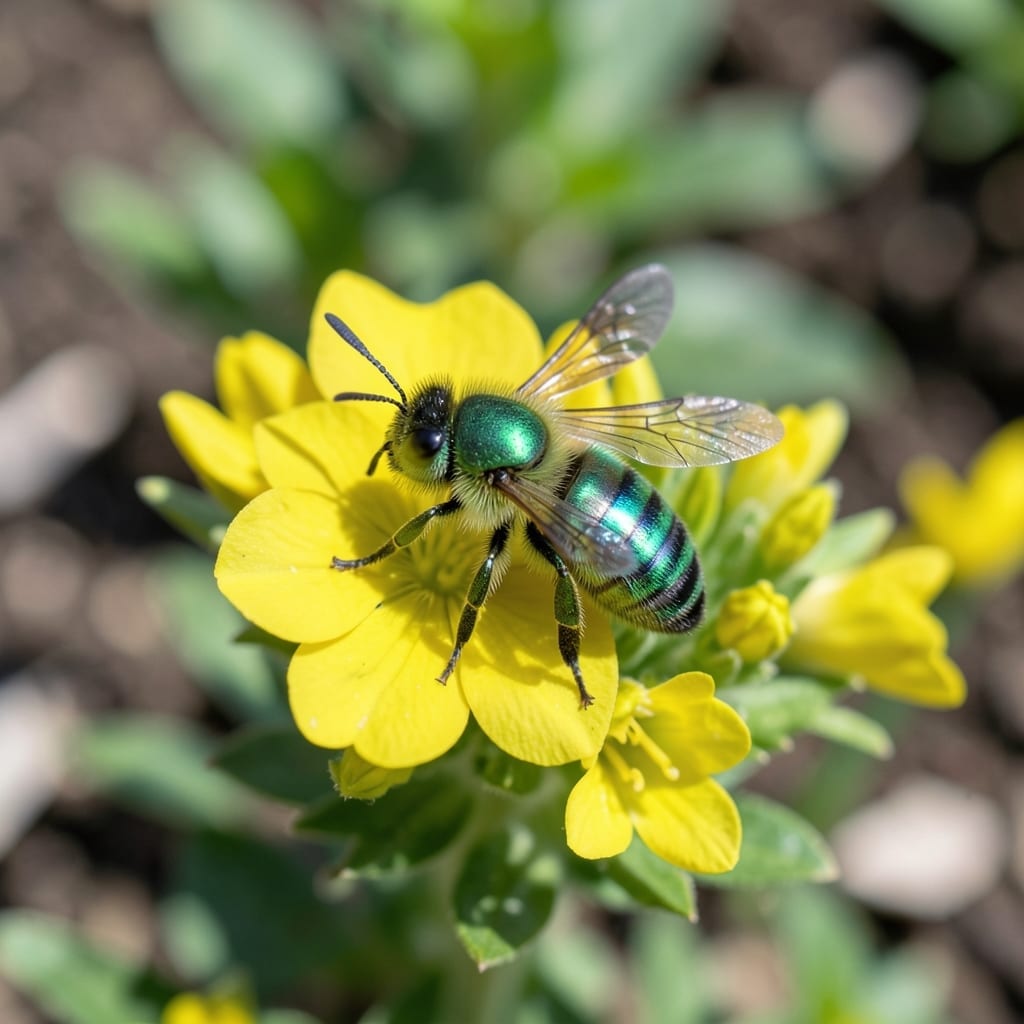
I found aphids clustering on my rose buds last spring. Tiny green dots, but they multiply fast and leave sticky residue that attracts ants and soot mold.
The damage shows up as curled leaves, stunted growth, or chewed petals. Some insects like ladybugs actually help by eating the pests, but others will destroy a flower bed in a week if left unchecked.
You can blast them off with water, introduce beneficial insects, or use neem oil spray. The key is catching them early before they spread to nearby plants.
This works for annuals, perennials, and even potted blooms on your patio. Here’s how to spot and stop them effectively.
Flowers naturally attract bugs for a variety of ecological and biological reasons. Understanding these causes helps in managing infestations effectively.
Many insects, like bees and butterflies, are drawn to flowers for nectar and pollen. This symbiotic relationship is vital for plant reproduction. However, some pests exploit this resource, leading to overpopulation.
Flowers provide ideal hiding spots for bugs. Dense petals, moist soil, and shaded areas create a perfect environment for insects like aphids and mites to thrive and reproduce.
Some bugs feed on plant sap, leaves, or decaying matter in flowers. For example, aphids pierce stems to extract nutrients, while beetles may consume petals. This feeding behavior often results in visible damage.
Warm, humid weather accelerates insect activity. Flowers in overwatered or poorly ventilated areas are more susceptible to infestations, as these conditions encourage bug proliferation.
In gardens with limited biodiversity, beneficial predators (e.g., ladybugs, lacewings) may be absent. Without these checks, pest populations can grow unchecked, leading to an imbalance.
Dealing with pests in your garden doesn’t have to mean harsh chemicals. Here’s how to tackle common flower-invading bugs with simple, eco-friendly fixes.
Use a strong spray of water to dislodge aphids from petals and stems. For stubborn infestations, mix 1 tsp of mild soap in 1 quart of water and spray directly on the bugs. Reapply every few days until they’re gone.
Prevention: 💡 Attract ladybugs and lacewings—natural predators—or plant companion flowers like marigolds to deter aphids.
These tiny pests thrive in dry conditions. Mist your plants regularly or use a humidifier nearby. For an immediate fix, wipe leaves with a damp cloth and apply neem oil spray (follow label instructions).
Prevention: 🌡️ Keep plants well-hydrated and avoid over-fertilizing, which can attract mites.
Create a physical barrier with copper tape around pots or garden beds—they dislike the metal’s reaction. Alternatively, set out shallow dishes of beer (they’ll drown) or sprinkle diatomaceous earth around plants.
Prevention: ✨ Remove hiding spots like mulch or debris, and water in the morning so soil dries by night.
Let the top layer of soil dry out between waterings to disrupt their lifecycle. For existing gnats, place yellow sticky traps near the plants or use a hydrogen peroxide solution (1 part 3% peroxide to 4 parts water) to kill larvae.
Prevention: 🎯 Avoid overwatering and use well-draining soil to discourage egg-laying.
Consistency is key—check plants weekly for early signs and act fast to keep your blooms bug-free!
Aphids, spider mites, and whiteflies are frequent offenders. Aphids cluster on new growth, while spider mites create fine webbing. Whiteflies appear as tiny white dots when disturbed.
Yes! Ladybugs, lacewings, and parasitic wasps naturally prey on common pests. Introduce them in early infestations for best results. Avoid pesticides that harm these helpers.
Neem oil and insecticidal soap work well against soft-bodied pests. Mix 1 tbsp neem oil with 1 gallon of water and spray weekly for prevention. Always test on a few leaves first.