
Beautiful Plants For Your Interior
Beautiful Plants For Your Interior
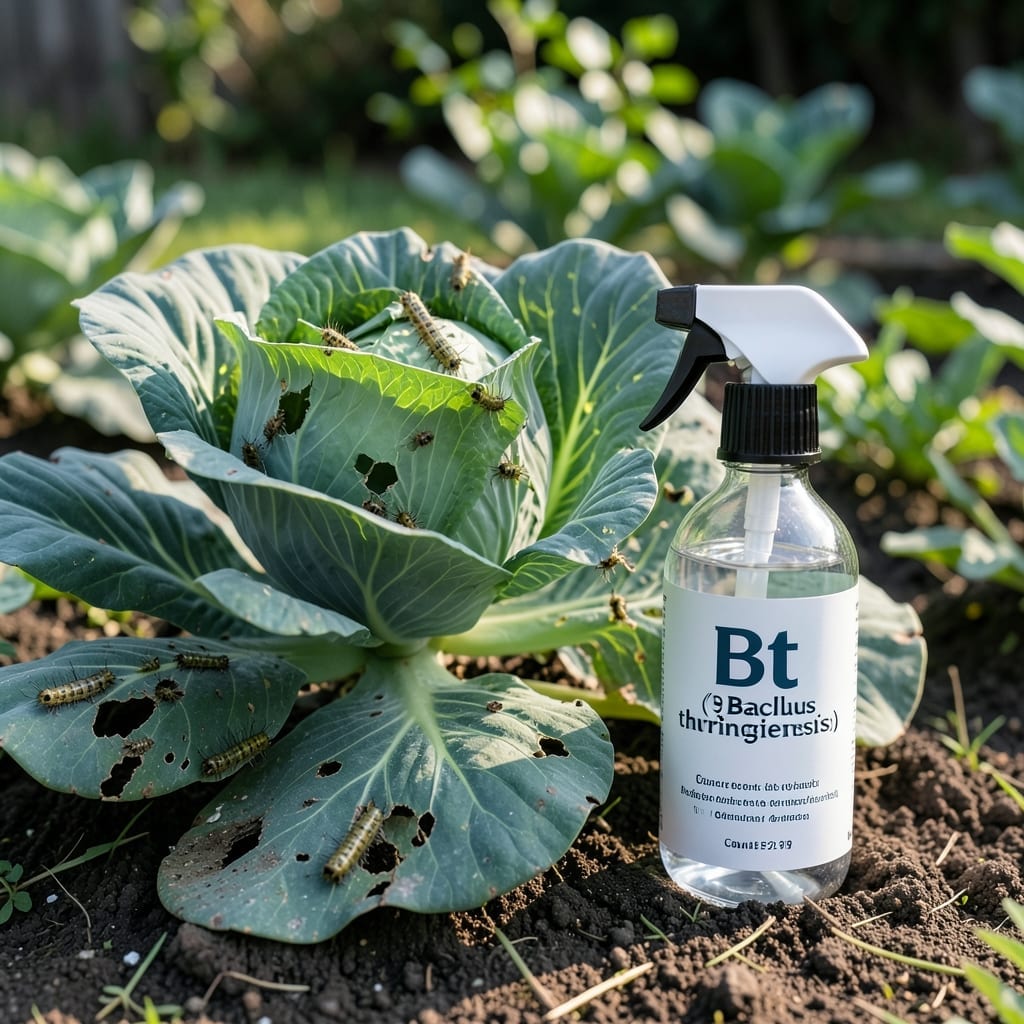
Bt pesticide poses minimal health risks to humans and pets as it targets only specific insects, but allergic reactions may occur with direct exposure, especially in sensitive individuals.
What makes Bt unique is its selective toxicity—it only affects certain caterpillars and larvae by disrupting their gut when ingested. 🔥 This means mammals like us and our pets naturally pass it through without harm. Still, I always recommend wearing gloves during application, especially for those with compromised immune systems, as rare skin irritation can occur.
💡 In This Article
Bt produces proteins called Cry toxins that specifically bind to receptors in the gut lining of target insects like caterpillars and beetle larvae. These receptors are absent in human and mammal digestive systems, making the toxin harmless when ingested. 🔥 Studies show that even at concentrations 1000x higher than agricultural use, mammalian cells remain unaffected.
When Bt spores are inhaled, they may trigger immune responses in sensitive individuals. The EPA classifies Bt as having low acute toxicity, with no evidence of carcinogenicity or reproductive harm. However, farm workers exposed to high concentrations reported mild eye and skin irritation, particularly with Bt israelensis strains used for mosquito control.
Allergic reactions typically manifest as itchy eyes, sneezing, or skin rashes. These occur because the immune system mistakenly identifies Bt proteins as threats, releasing histamine. 💫 The risk increases with repeated exposure—gardeners using Bt weekly were 3x more likely to develop sensitivities than occasional users.
Long-term studies on rats exposed to Bt kurstaki for 2 years showed no adverse health effects. The bacteria simply pass through the digestive tract unchanged. What makes Bt safe is its inability to colonize or reproduce in mammalian hosts, unlike some chemical pesticides that accumulate in fatty tissues.
For context, the LD50 (lethal dose for 50% of test subjects) for Bt is >3000 mg/kg in rats—comparable to table salt. 🌟 In contrast, common chemical pesticides like chlorpyrifos have LD50 values as low as 100 mg/kg, highlighting Bt’s relatively benign nature.
Yes, Bt is considered very low-risk for mammals. The EPA confirms it targets only specific insect larvae and passes harmlessly through pet and human digestive systems. Still, keep pets away until spray dries to prevent inhalation.
Wash the area immediately with soap and water. While rare, some people experience mild irritation or allergic reactions. If redness or itching persists, consult a doctor. Always wear gloves during application.
No, Bt only affects specific caterpillars and larvae. Bees and other pollinators are unaffected. To be extra cautious, apply in early morning or evening when bees are less active.
Bt breaks down quickly in sunlight, typically lasting 1-2 days. For best results, reapply after rain or every few days while pests are active. Store mixed solution in a cool place if not using immediately.