
Beautiful Plants For Your Interior
Beautiful Plants For Your Interior
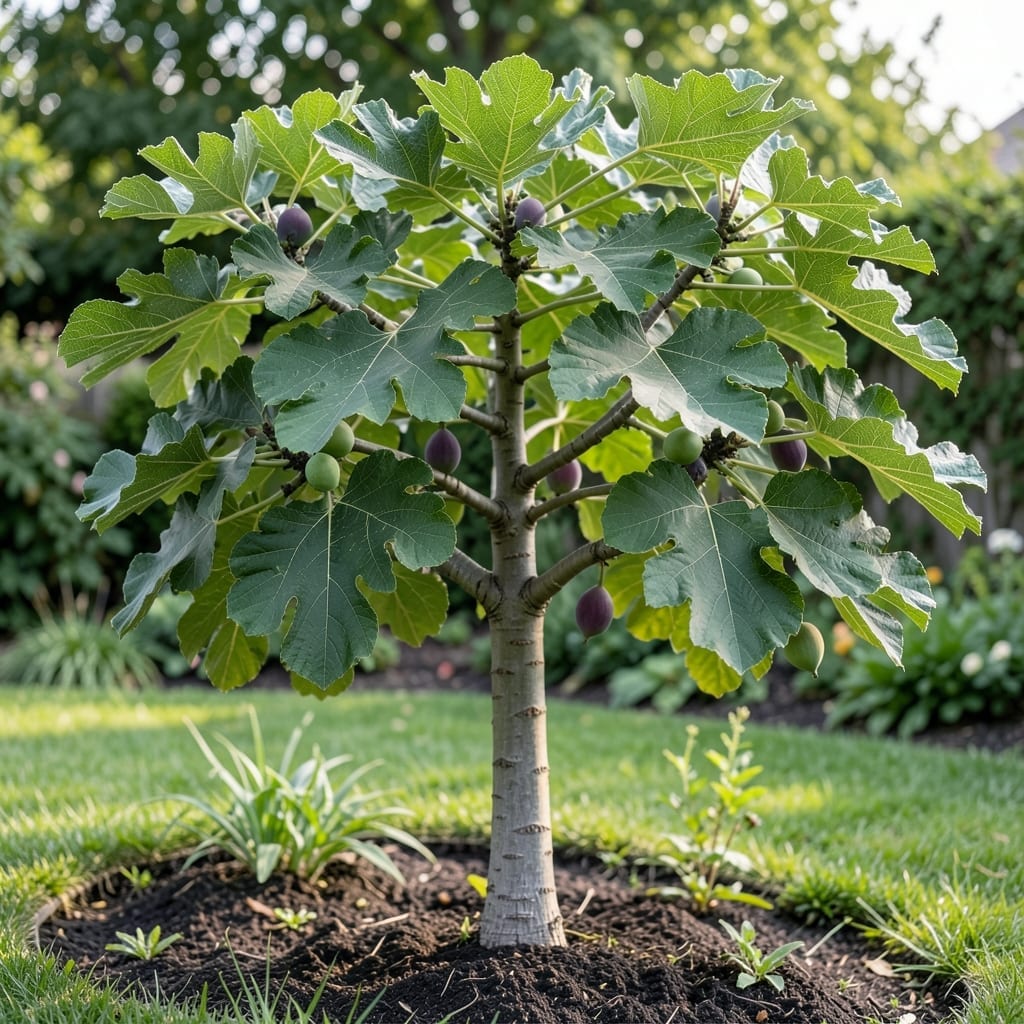
Brown Turkey fig trees thrive in USDA hardiness zones 7 through 10, tolerating temperatures down to 10°F once established. They prefer warm climates with full sun and well-draining soil.
I’ve found these trees do exceptionally well in regions with long, hot summers, which helps fruit ripen fully. Zone 7 gardeners should provide winter protection, while those in zones 9-10 can enjoy year-round growth with minimal care. Their adaptability makes them a favorite for both beginner and experienced growers. 🌟
What sets them apart is their ability to handle brief cold snaps better than many fig varieties. Still, consistent moisture and well-prepared soil are key to maximizing fruit production in any suitable zone.
💡 In This Article
The reason zones 7-10 work so well lies in the tree’s temperature tolerance. Established trees can survive brief dips to 10°F, but sustained cold below 15°F damages the wood. In zone 7, they may die back to the ground in winter but typically regrow from the roots when spring arrives.
This resilience comes from their Mediterranean origins, where they evolved to handle temperature swings. 🌟
Chill hours matter too. Brown Turkey figs need 100-200 chill hours (temps between 32-45°F) to break dormancy properly. Zones 7-8 provide this naturally, while warmer zones may need occasional cold snaps.
Humidity plays a role as well – these trees thrive in areas with 40-60% relative humidity, though they adapt to drier climates with consistent irrigation.
Seasonal growth patterns explain their zone preferences. In spring, they push new growth when soil temps reach 60°F. Summer’s long days and heat (75-90°F) are ideal for fruit development. The trees enter dormancy when temps drop below 50°F in fall, conserving energy for winter survival. This cycle aligns perfectly with zones 7-10 climates. ⚡
What many don’t realize is how microclimates affect success. A south-facing wall in zone 6 might work, while a windy coastal zone 9 spot could struggle. The trees also prefer areas with good air circulation to prevent fungal issues during humid periods.
Their leaf canopy can reach 15-20 feet wide in ideal conditions, creating its own microclimate. 💫
Soil temperature is another critical factor. Roots grow most actively when soil is between 60-85°F. In cooler zones, black plastic mulch can help warm the soil. The trees’ shallow root system (typically 12-18 inches deep) makes them sensitive to temperature fluctuations at the surface level.
In zone 6, establish them in containers to move indoors during winter. With thick mulch and frost cloth, in-ground trees may survive but often die back. Expect smaller harvests in cooler climates.
In zone 7, apply 4-6 inches of mulch around the base and wrap young trees in burlap. Established trees typically regrow from roots even if top growth dies back.
Yes, but zones 9-10 often yield two crops per year. Zones 7-8 typically produce one main crop in summer. Fruit quality remains excellent across all recommended zones.
They thrive in well-draining loam with a pH of 6.0-6.5. Amend heavy clay with compost or sand. Sandy soils need organic matter to retain moisture.