
Beautiful Plants For Your Interior
Beautiful Plants For Your Interior
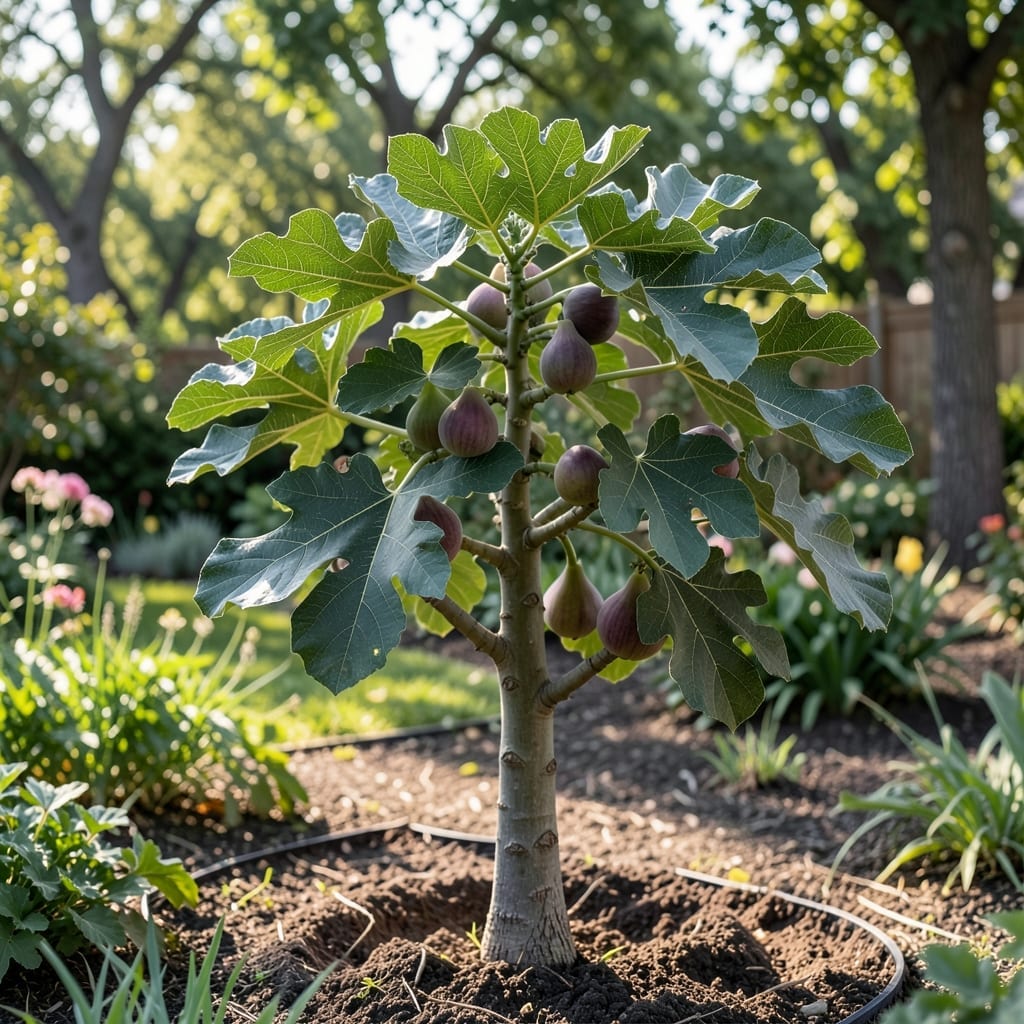
My first Brown Turkey fig shot up 2 feet in one season. The growth rate surprised me—until I realized it thrives in the right conditions.
These trees can add 12-24 inches annually with proper care. Warm climates, well-draining soil, and consistent watering make all the difference.
You’ll see vigorous foliage development early, with mature trees reaching 10-15 feet tall. Pruning keeps them manageable while encouraging bushier growth.
Even in containers, they grow steadily with the right setup. The key is matching their needs to your space and climate.
The growth rate of Brown Turkey fig trees can vary significantly due to several environmental, biological, and cultural factors. Understanding these causes helps gardeners create optimal conditions for rapid foliage development. Below are the primary reasons why growth may slow down.
Fig trees require a balanced supply of nitrogen, phosphorus, and potassium, along with micronutrients like iron and magnesium. A deficiency in nitrogen, the most critical nutrient for foliage growth, often results in stunted development and pale or yellowing leaves. Soil testing can identify imbalances, allowing for targeted fertilization. Use a 10-10-10 or 8-8-8 fertilizer during the growing season to support vigorous growth.
Both overwatering and underwatering can hinder growth. Fig trees thrive in well-draining soil with consistent moisture but can suffer if roots are waterlogged or parched. Water stress disrupts nutrient uptake and photosynthesis, slowing foliage production. Aim for 1–2 inches of water per week, adjusting for rainfall and soil type. Mulching helps retain moisture while preventing root rot.
Brown Turkey figs need full sun (6–8 hours daily) to maximize photosynthesis and growth. Inadequate light leads to sparse foliage, weak stems, and slower development. If planting in partial shade is unavoidable, ensure the tree receives morning sun, which is less intense and allows for gradual acclimation.
Fig trees grow best in USDA zones 7–10, where temperatures range between 60–85°F. Cold snaps below 20°F can damage or kill young trees, while extreme heat (above 95°F) may cause heat stress, reducing growth rates. Use frost cloth in winter and provide afternoon shade in scorching climates to mitigate temperature stress.
Infestations of aphids, scale, or root-knot nematodes sap the tree’s energy, while diseases like root rot or leaf blight can stunt growth. Regularly inspect leaves and stems for signs of pests or fungal infections. Apply neem oil or insecticidal soap for pests and ensure proper air circulation to prevent fungal issues.
If your Brown Turkey fig isn’t growing as fast as expected, these practical fixes will help you get back on track. Address the most common causes with targeted solutions and preventive steps to ensure lush, rapid foliage development.
Fix: Repot your fig in well-draining soil mixed with perlite or sand. Ensure the pot has drainage holes to prevent root rot. If planted in the ground, amending the soil with organic compost improves drainage.
Prevention: Water only when the top 1-2 inches of soil are dry. Use a moisture meter to avoid overwatering. 💡
Fix: Move potted figs to a sunnier spot (6+ hours of direct light daily). For in-ground plants, prune nearby trees or structures casting shade. Supplement with grow lights if indoors.
Prevention: Rotate potted figs weekly for even light exposure. Monitor sunlight patterns in your garden to choose the best planting location. 🌞
Fix: Apply a balanced, slow-release fertilizer (10-10-10) or a fig-specific formula in early spring. Yellowing leaves may signal a nitrogen deficit—add compost or blood meal to the soil.
Prevention: Test soil annually and adjust amendments as needed. Top-dress with compost every 2-3 months during the growing season. 🌿
Fix: Protect figs from frost with frost cloths or move potted plants indoors during cold snaps. In extreme heat, provide afternoon shade and mulch to retain soil moisture.
Prevention: Plant in a microclimate with stable temperatures. Use mulch year-round to insulate roots. ❄️🔥
Fix: Treat aphids or spider mites with neem oil or insecticidal soap. Prune infected branches (e.g., from fungal diseases) and dispose of them far from the plant. Copper fungicide can prevent leaf spot.
Prevention: Inspect leaves weekly for pests. Maintain good airflow by spacing plants properly and pruning densely packed branches. ✨
In ideal conditions, young trees can grow 12-24 inches during their first season. With proper sunlight, water, and nutrients, you’ll see rapid foliage development early on.
Not necessarily. Container-grown figs can thrive with well-draining soil and consistent care. Just ensure the pot is large enough (at least 15-20 gallons) and has drainage holes.
Unpruned trees typically reach 10-15 feet tall. Regular pruning keeps them smaller while encouraging bushier growth. The final size depends on climate and care.