
Beautiful Plants For Your Interior
Beautiful Plants For Your Interior
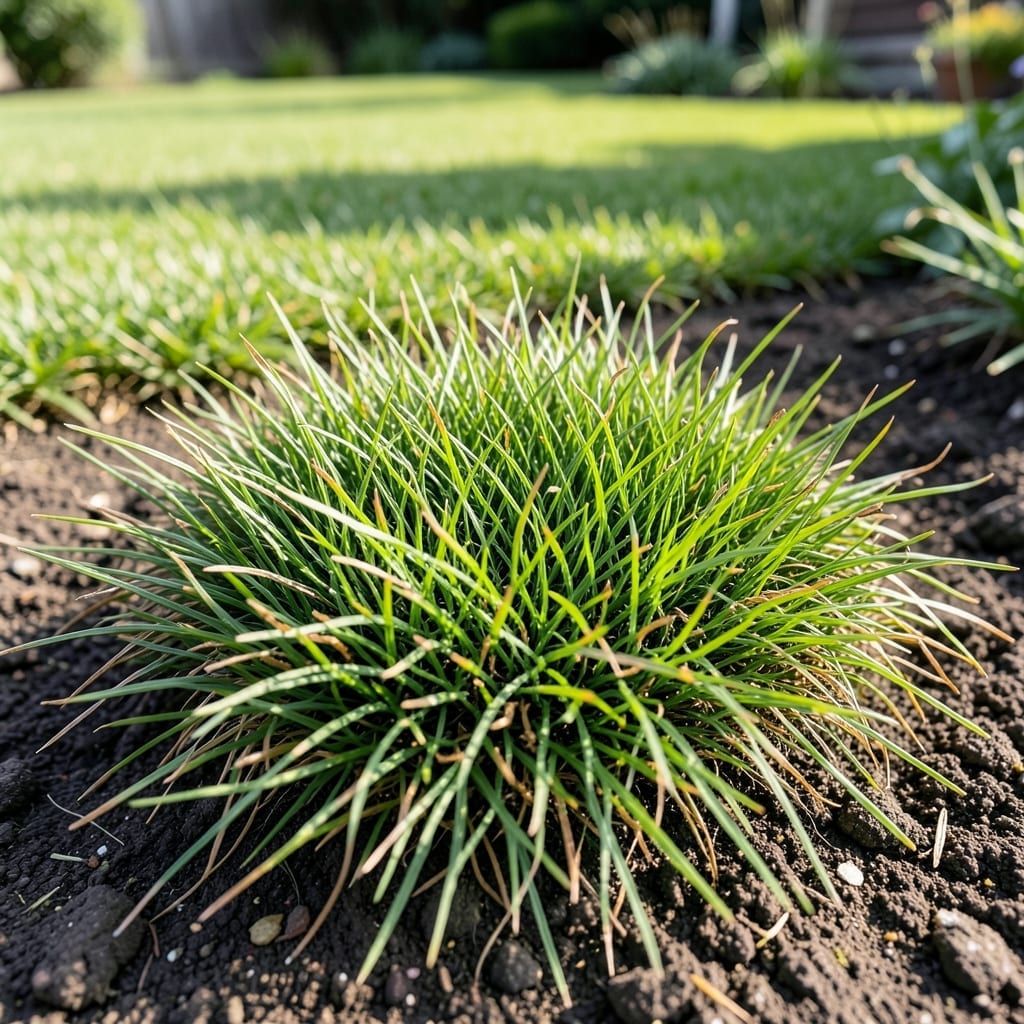
Those crispy brown tips on your zoysia grass aren’t just an eyesore—they’re your lawn’s way of sending an SOS. I’ve seen this happen to even the most well-maintained yards, and the culprit is usually one of four things.
Too little water leaves grass parched, while too much drowns the roots. Then there’s the fungal infections that thrive in damp conditions, or the nutrient deficiencies that slowly starve your turf. The good news? Each has a simple fix.
With the right adjustments, you’ll see those brown tips turn green again in 2-3 weeks. The key is acting fast before the damage spreads.
Prevention is easier than repair. A little attention now saves you from bigger headaches later.
Brown tips on zoysia grass often signal underlying stress. Below are the most common causes, broken down for clarity and actionability.
Zoysia grass thrives in warm climates but can suffer when temperatures soar above 90°F (32°C) for extended periods. High heat accelerates water evaporation from the soil, leading to dehydration. The grass responds by sacrificing the tips of its blades to conserve moisture for the roots and crown. Shallow root systems (common in newly laid sod or improperly watered lawns) exacerbate this issue.
Both underwatering and overwatering can turn zoysia tips brown. Underwatering starves the grass of essential hydration, while overwatering suffocates roots by depleting oxygen in the soil. Zoysia requires deep, infrequent watering (about 1–1.5 inches per week) to encourage deep root growth. Light, frequent watering promotes shallow roots, making the grass more vulnerable to drought stress.
Zoysia is sensitive to pH imbalances and nutrient deficiencies. A soil pH outside the ideal range of 6.0–6.5 can lock out essential nutrients like nitrogen, potassium, or iron, leading to discoloration. Excessive thatch buildup (a layer of dead organic matter) can also block water and nutrients from reaching the soil, causing the tips to brown. Conduct a soil test to identify and correct imbalances.
Fungi like leaf spot or brown patch thrive in humid, warm conditions and can cause brown tips or patches. These diseases often start as small, water-soaked spots that expand and dry out, leaving the tips brown and crispy. Overwatering, poor drainage, or high nitrogen fertilization in late spring or summer can encourage fungal growth. Proper lawn aeration and fungicide applications can help manage outbreaks.
Physical stress from mowing too short (scalping), dull mower blades, or heavy foot traffic can damage zoysia grass, leading to brown tips. Zoysia should be mowed at a height of 1–2 inches, and blades should be kept sharp to avoid tearing the grass. High-traffic areas may benefit from protective measures like walkways or temporary fencing.
Once you’ve pinpointed the cause, restoring your zoysia grass is straightforward. Below are targeted fixes for each common issue, paired with prevention tips to keep your lawn lush and green.
If dry soil is the culprit, switch to deep, infrequent watering. Give your lawn 1 to 1.5 inches of water per week, including rainfall, in the early morning to reduce evaporation. Use a rain gauge or tuna can to measure. Prevention tip: Install a soil moisture sensor or check the top 2–3 inches of soil—if it’s dry, it’s time to water.
Soggy zoysia suffocates. Stop watering immediately and let the soil dry out. Aerate compacted areas with a core aerator to improve airflow and water absorption. For poor drainage, consider amending the soil with organic matter or installing French drains. Prevention tip: Stick to a watering schedule and avoid evening watering to prevent fungal growth.
Zoysia thrives on balanced fertilizer (e.g., 16-4-8 NPK ratio). Apply a slow-release formula in late spring to early summer, following package instructions. Yellowing with brown tips often signals nitrogen deficiency—supplement with a nitrogen-rich product if needed. Prevention tip: Test your soil every 2–3 years to tailor nutrient inputs and avoid over-fertilizing.
During extreme heat, raise your mower blade to 1.5–2 inches to reduce stress and retain moisture. Water deeply before heatwaves hit, and consider temporary shade cloths for vulnerable areas. Prevention tip: Mow in the evening to avoid midday heat, and keep blades sharp to prevent tearing the grass.
For brown patch or leaf spot, apply a fungicide labeled for zoysia (e.g., azoxystrobin) at the first sign of disease. Remove infected clippings and avoid high-nitrogen fertilizers during humid weather. Prevention tip: Improve air circulation by dethatching annually and spacing plants properly.
Pro tip 💡: Always water the soil, not the leaves, to discourage fungal spores from taking hold.
Water deeply 1-2 times per week, providing 1-1.5 inches total. Early morning is best to reduce evaporation.
Yes! Keep blades at 1.5-2 inches during heat. Shorter cuts stress the grass and expose soil to sunlight.
Use a 16-4-8 NPK ratio slow-release fertilizer. Apply in late spring to early summer for best results.
With proper care, you’ll see improvement in 2-3 weeks. Consistency in watering and mowing speeds up recovery.