
Beautiful Plants For Your Interior
Beautiful Plants For Your Interior
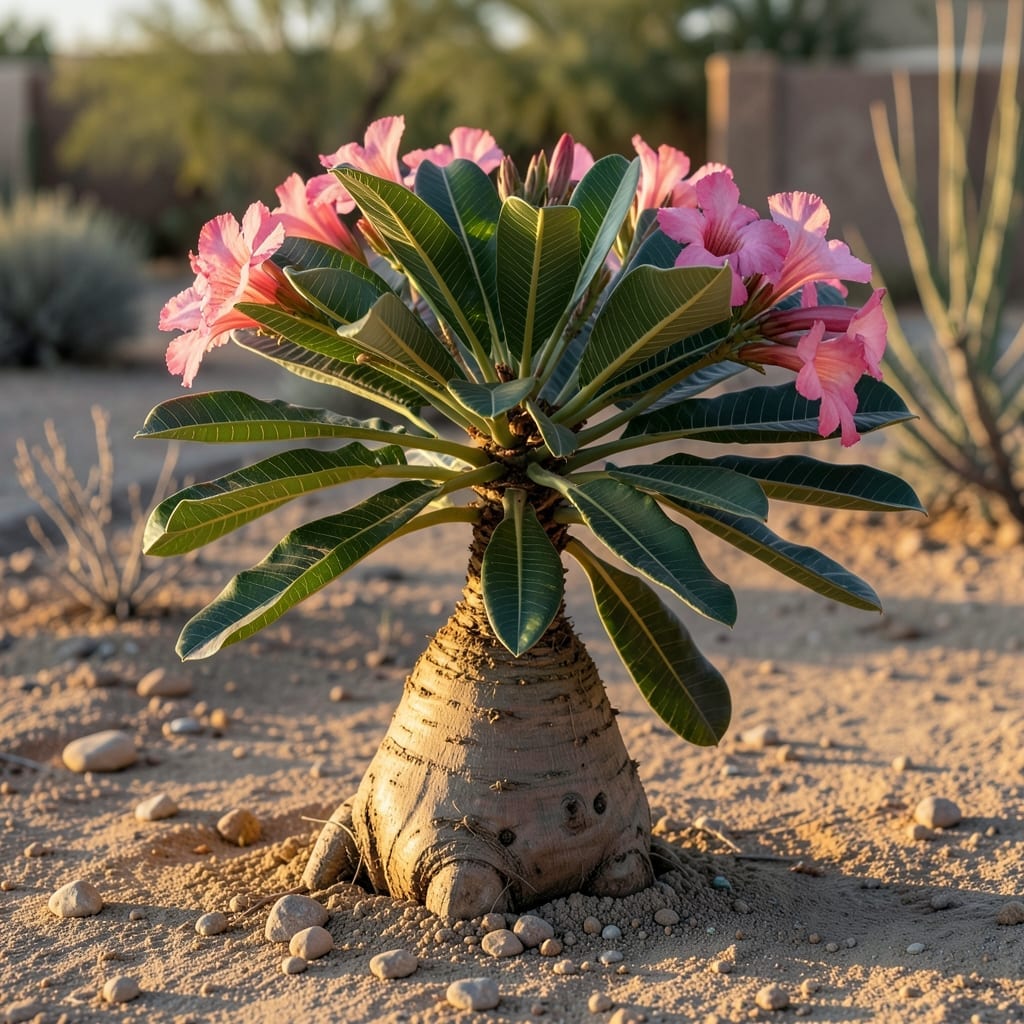
Those brown tips on your desert rose aren’t just unsightly—they’re a cry for help. I’ve nursed my share of these drought-loving beauties back from the brink, and the most common culprit is too much love in the form of water.
Desert roses thrive on neglect, not attention. When their roots sit in soggy soil, they can’t breathe, and those brown tips are their way of saying, “Enough already!” But overwatering isn’t the only suspect—low humidity or a sudden temperature drop can do the same damage.
The fix is simpler than you think. Let the soil dry out completely between waterings, and move your plant to a spot with consistent warmth. You’ll see new, healthy growth pushing through within a few weeks.
Prevention is even easier: water only when the soil is bone-dry, and keep an eye on the environment. Your desert rose will thank you with lush, green leaves and stunning blooms.
Desert roses (Adenium obesum) are hardy succulents, but brown leaf tips often signal stress. Here’s why it happens, broken down by the most common causes:
Excess moisture is the #1 culprit. Desert roses store water in their thick stems (caudex), so soggy soil suffocates roots and blocks oxygen uptake. This leads to root rot, where Phytophthora or Fusarium fungi thrive in waterlogged conditions. As roots die, they can’t deliver nutrients, causing tips to turn brown and crispy. Action: Let soil dry completely between waterings—stick your finger 2 inches deep to check.
While these plants tolerate drought, chronic dryness stresses them. Brown tips may appear if the soil stays bone-dry for weeks or if indoor air is too arid (below 30% humidity). The plant pulls moisture from older leaves first, leaving tips desiccated. Action: Water deeply when the top 1–2 inches of soil are dry, and mist lightly in dry climates.
Tap water or fertilizers high in salts (sodium, chlorine, or fluoride) accumulate in the soil, burning root tips. This osmotic stress prevents water absorption, mimicking drought symptoms. Action: Flush the soil with distilled water every 2–3 months, or use rainwater for irrigation.
Sudden swings—like cold drafts below 50°F (10°C) or scorching midday sun—can scorch leaf edges. Desert roses prefer bright, indirect light and temps between 65–90°F (18–32°C). Action: Acclimate plants gradually to new conditions and shield them from extreme heat or cold.
Here’s how to nurse your desert rose back to health, tailored to each underlying cause.
Stop watering immediately. Gently remove the plant from its pot and check the roots—trim any mushy, dark roots with sterile scissors. Repot in fresh, well-draining cactus mix and a pot with drainage holes. Wait at least 7–10 days before watering again, then resume only when the top 2 inches of soil are dry. Prevention tip: 💡 Use a moisture meter to avoid guesswork.
Give your plant a thorough drink: submerge the pot in room-temperature water for 10–15 minutes until bubbles stop rising. Let excess water drain completely. Water again when the soil is completely dry down to the roots. Prevention tip: ⏰ Set a reminder to check soil moisture weekly during active growth seasons.
Mist the leaves lightly with water 2–3 times a week or place the pot on a tray filled with pebbles and water. Grouping plants together also helps. Avoid misting at night to prevent fungal issues. Prevention tip: 🌿 Use a humidifier nearby for consistent humidity, especially in dry climates.
Run distilled or rainwater through the soil for 5 minutes to leach out excess salts. Repeat every 2–3 months if you use tap water. Switch to a balanced, low-salt fertilizer and dilute it to half strength. Prevention tip: 💦 Always water until it drains from the bottom to prevent salt accumulation.
Move your desert rose to a spot with bright, indirect light or provide afternoon shade if it’s outdoors. Gradually reintroduce direct sunlight over 1–2 weeks to avoid shocking the plant. Prevention tip: ☀️ Rotate the pot occasionally for even light distribution.
Water only when the top 2 inches of soil are completely dry. In summer, this may mean watering every 1-2 weeks, while winter may require just once a month. Always check soil moisture first!
No, damaged leaf tips won’t recover. Trim them with clean scissors to improve appearance. Focus on fixing the underlying issue, and new healthy growth will appear in 2-3 weeks.
Tap water can cause salt buildup over time. Use distilled or rainwater when possible, or flush the soil with distilled water every 2-3 months to remove excess salts.
A fast-draining mix works best. Use 50% cactus soil and 50% perlite or pumice for optimal drainage. Always choose pots with drainage holes to prevent waterlogging.