
Beautiful Plants For Your Interior
Beautiful Plants For Your Interior
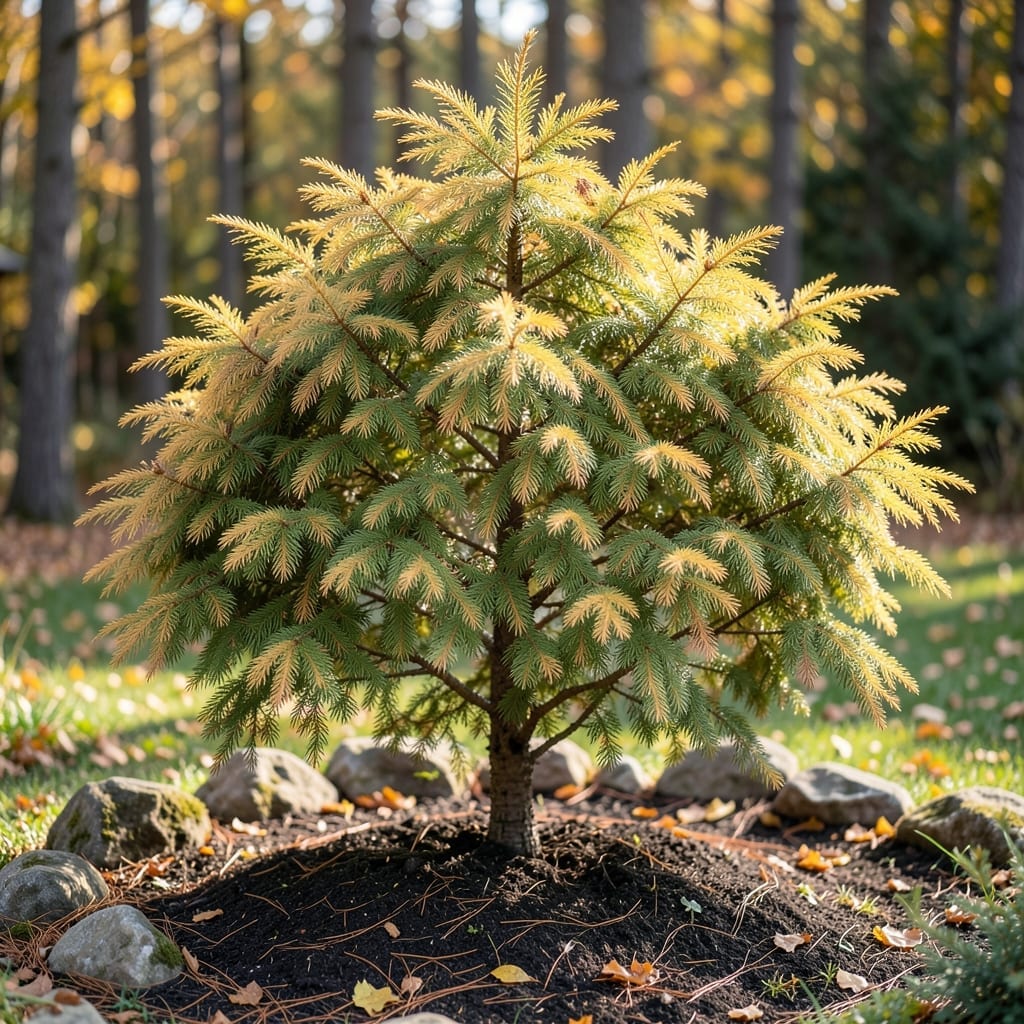
Those brown tips on your larch aren’t necessarily a death sentence. I panicked my first time seeing it too—turns out it’s often just the tree’s way of handling seasonal change.
Most larch owners don’t realize these deciduous conifers naturally shed needles in fall. But when brown tips appear in spring or summer, we’re usually looking at stress from drought, poor soil, or sudden temperature swings.
You’ll want to check watering habits first—both over and under-doing it causes issues. Then examine the soil and recent weather. The solutions are usually simpler than you’d think.
With a few adjustments, your larch will bounce back with that vibrant green you expect by next season.
Larch trees, known for their golden fall foliage, can develop unsightly brown tips due to several environmental and biological factors. Here’s a breakdown of the most common causes:
Larches thrive in moist, well-drained soil. When conditions turn dry—especially in late summer—Pseudotsuga and Larix species may suffer from water deficiency. The needle tips brown first as the tree prioritizes hydration for critical growth areas. Action: Deep watering (1–2 inches per week) during dry spells can prevent this.
Cold, windy winters can desiccate evergreen needles, even on deciduous conifers like larch. Frozen soil prevents roots from replenishing lost moisture, leading to brown discoloration at the tips. Action: Mulch heavily in late fall to retain soil moisture and reduce temperature fluctuations.
Pathogens like Mycosphaerella or Lophodermium target stressed larches, causing needle blight. Symptoms start as yellowing tips that progress to brown, often with dark bands. Action: Improve air circulation, avoid overhead watering, and apply copper-based fungicides in early spring if infections recur.
Urban larches may develop brown tips from ozone or sulfur dioxide exposure. These pollutants disrupt photosynthesis, leading to necrotic tip burn. Action: Plant in sheltered locations or use pollution-tolerant cultivars like Larix decidua ‘Puli’.
A lack of magnesium or potassium can cause marginal browning, as these nutrients are mobile and redistributed from older needles first. Action: Test soil and amend with Epsom salt (magnesium sulfate) or potash as needed.
If your larch is sporting brown tips, don’t panic—there are practical fixes for every common cause. Here’s how to nurse your tree back to health:
If dry soil is the culprit, give your larch a slow, deep watering at the base (avoid wetting the needles). Aim for 1–2 inches of water per week, adjusting for rainfall. Mulch around the tree to retain moisture.
Prevention: Stick your finger 2 inches into the soil—if it’s dry, it’s time to water. 💡 Drip irrigation works best for consistent hydration.
Soggy roots suffocate the tree. Stop watering immediately and check drainage. If the soil stays wet, amend it with compost or sand. For potted larches, ensure the container has drainage holes.
Prevention: Use well-draining soil and water only when the topsoil is dry. A moisture meter can help avoid guesswork. ✨
Brown tips from fungi like needle blight? Prune affected branches (sterilize tools with rubbing alcohol!) and apply a copper-based fungicide. Space trees properly to boost airflow.
Prevention: Avoid overhead watering and clean up fallen needles promptly to reduce fungal spores. 🎯
If harsh sun or wind is scorching the needles, provide temporary shade cloth or plant windbreaks. In winter, wrap young larches in burlap to shield them from drying winds.
Prevention: Choose planting spots with dappled sunlight and protection from strong gusts. 🌡️
With these targeted fixes, your larch’s needles should return to their vibrant green in no time!
Yes! Larches are deciduous conifers that naturally shed needles in autumn. Seasonal browning is normal, but spring/summer tip browning signals stress from drought or other issues.
Check the soil 2 inches down—dry means underwatering, soggy means overwatering. Drought causes crispy tips, while overwatering makes them mushy.
Only if the cause is fungal. For drought or winter burn, pruning won’t help and may stress the tree further. Always address the root cause first.
Urban pollutants like ozone disrupt photosynthesis, causing necrotic browning. Sheltered planting spots or tolerant cultivars can prevent this.