
Beautiful Plants For Your Interior
Beautiful Plants For Your Interior
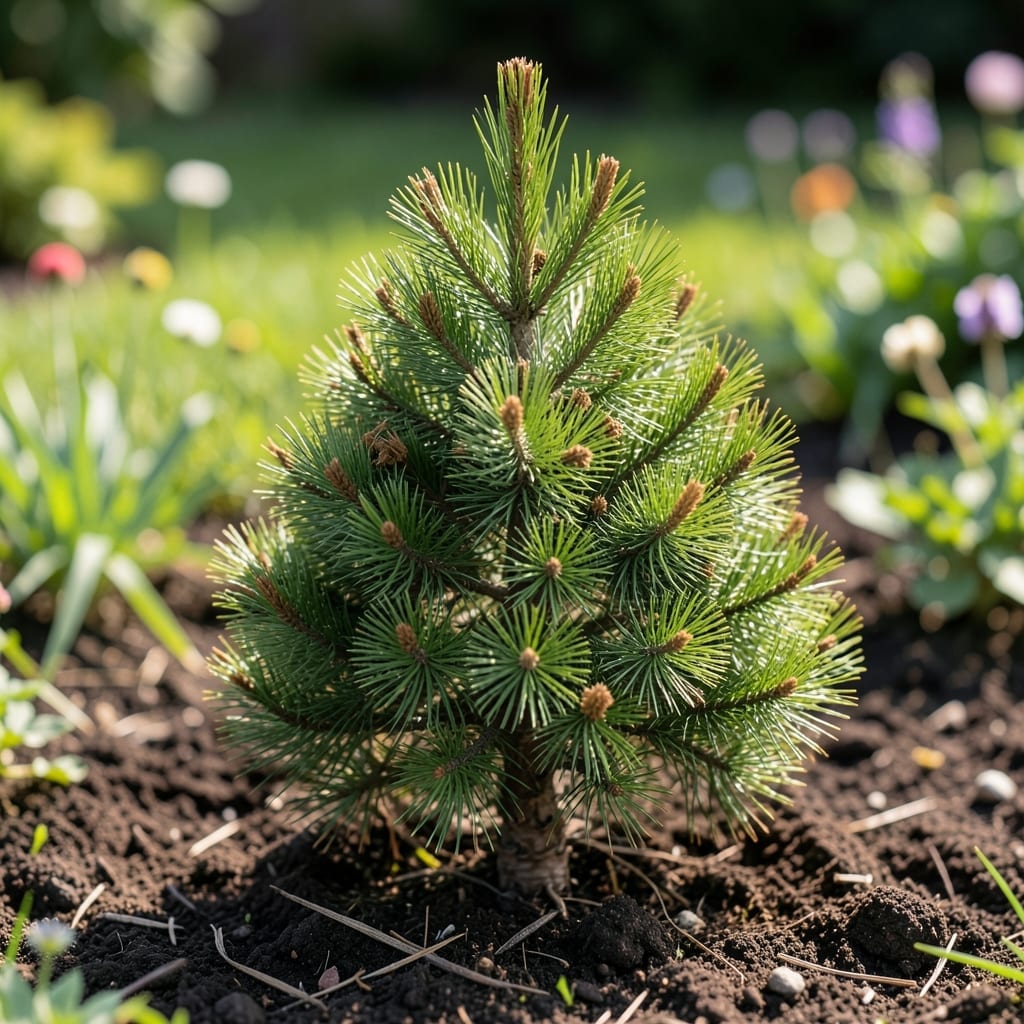
Brown tips on Alberta spruce always make my stomach drop. Those once vibrant green needles turning crispy signal something’s off with your tree’s health.
I’ve dealt with this issue for years, and the causes are usually simpler than they seem: too much sun, inconsistent watering, or winter burn. The good news? You can often nurse your spruce back to health.
With a few adjustments to care and environment, those brown tips can stop spreading. The key is catching it early and addressing the root problem.
This guide will help you diagnose the issue and restore your spruce to its lush, green glory.
Brown tips on Alberta spruce often signal underlying issues that disrupt the tree’s health. Below are the most common causes, each with a clear explanation to help you diagnose and address the problem.
Extreme temperatures, especially winter burn, are a leading cause. Alberta spruces are evergreens that continue to lose water through their needles (transpiration) even in cold months. When the ground is frozen, roots can’t absorb water to replenish what’s lost, leading to desiccation and browning. Drying winds and late-season frost can exacerbate this stress.
Both overwatering and underwatering can trigger browning. Too much water suffocates roots, reducing oxygen uptake and promoting root rot, which starves the tree of nutrients. Conversely, drought conditions prevent the tree from absorbing enough moisture, causing needle tips to dry out and turn brown. Consistent moisture—not too wet, not too dry—is key.
Fungi like Phomopsis and Sphaeropsis (common in spruces) thrive in wet, humid conditions. They infect needles, disrupting their ability to photosynthesize and leading to browning. Look for black or purple lesions on needles or branches. Poor air circulation and overhead watering can accelerate fungal spread.
Salt damage from de-icing agents or poor soil pH can cause tip burn. Spruces prefer slightly acidic soil (pH 6.0–7.0); alkaline or salt-laden soil disrupts nutrient uptake, particularly magnesium and iron, leading to chlorosis (yellowing) followed by browning. A soil test can confirm deficiencies or imbalances.
Sap-sucking pests like spider mites and aphids weaken the tree by draining its fluids, while bagworms and spruce gall adelgids cause physical damage. Their feeding disrupts the flow of water and nutrients, often resulting in brown, brittle tips. Check for visible webbing, tiny insects, or cottony masses on branches.
Once you’ve identified the cause, these targeted fixes will help restore your Alberta spruce’s vibrant green needles. Act quickly to prevent further damage and keep your tree thriving. 🌲✨
Fix: Adjust your watering schedule to allow the soil to dry slightly between waterings. If the soil is waterlogged, improve drainage by amending it with compost or sand. For potted trees, ensure the container has drainage holes.
Prevention: Water deeply but less frequently, and always check the soil moisture before watering. Use a moisture meter for accuracy.
Fix: Give your spruce a thorough soak, ensuring water reaches the root zone. Mulch around the base with 2-3 inches of organic material to retain moisture.
Prevention: Water consistently during dry spells, especially in the first year after planting. Young trees need about 1-1.5 inches of water per week.
Fix: Prune the brown tips in early spring to encourage new growth. For sun scald, wrap the tree in burlap or use an anti-desiccant spray in late fall to protect it from harsh winter conditions.
Prevention: Plant in a location with afternoon shade if possible. Apply a thick layer of mulch to insulate roots and reduce temperature fluctuations.
Fix: Treat spider mites or scale insects with insecticidal soap or neem oil, applying it in the early morning or late evening. For severe infestations, consider a horticultural oil spray.
Prevention: Inspect your tree regularly for early signs of pests. Keep the area around the tree clean and free of debris to discourage infestations.
Fix: Test your soil to identify deficiencies. Amend with a balanced, slow-release fertilizer or specific nutrients (e.g., iron for chlorosis). Follow package instructions for application rates.
Prevention: Fertilize in early spring or late fall, and avoid over-fertilizing, which can cause more harm than good. Healthy soil equals a healthy tree! 💡
Unfortunately, once the needles turn brown, they won’t recover. Prune the damaged tips in early spring to encourage new, healthy growth. Focus on improving the tree’s overall health to prevent further browning.
Wrap the tree in burlap or apply an anti-desiccant spray in late fall. Planting in a spot with afternoon shade and adding 2-3 inches of mulch around the base also helps insulate roots.
Water deeply but infrequently, allowing the soil to dry slightly between waterings. Use a moisture meter to avoid overwatering. Young trees need about 1-1.5 inches of water per week.