
Beautiful Plants For Your Interior
Beautiful Plants For Your Interior
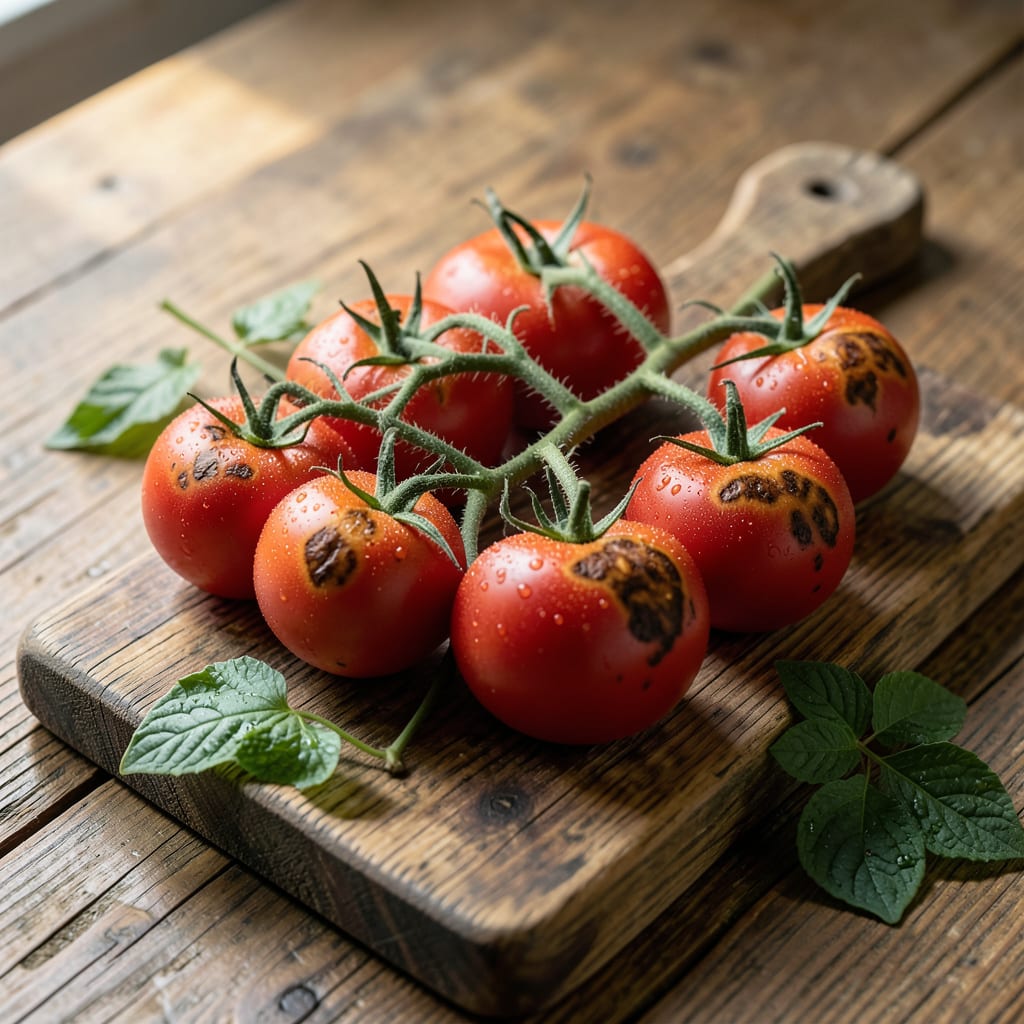
Those brown spots on your tomato stems aren’t just unsightly—they’re a warning. 🌱 I’ve seen healthy plants go from thriving to struggling in days when this issue isn’t addressed quickly.
The culprit is usually fungal, but pests and environmental stress can mimic the same symptoms. Early diagnosis is key: check for dark, sunken spots, yellowing leaves, or white fungal growth nearby.
With the right approach, you can stop the spread and save your harvest. I’ve rescued plants mid-season by adjusting watering, improving airflow, and applying targeted treatments.
By the end of this, you’ll know exactly what’s causing the problem and how to fix it—before it ruins your entire crop.
Brown spots on tomato stems often signal underlying issues that can threaten your plant’s health. Below are the most common causes, explained clearly to help you diagnose and act fast.
Fungi like Alternaria solani (early blight) or Septoria lycopersici thrive in warm, humid conditions. They produce spores that land on stems, germinate, and create dark, sunken lesions. Overhead watering or poor air circulation accelerates their spread. Action: Remove infected parts and apply copper-based fungicides preventively.
Clavibacter michiganensis enters through wounds, causing brown, cracked stem spots with yellow haloing. It spreads via contaminated tools or splashing water. Action: Disinfect pruners, avoid working with wet plants, and rotate crops yearly.
Sap-sucking pests like aphids or spider mites weaken stems, leaving entry points for pathogens. Their feeding can also cause direct browning. Action: Introduce beneficial insects (e.g., ladybugs) or use neem oil sprays.
Overwatering, drought, or nutrient imbalances (e.g., calcium deficiency) stress plants, making stems susceptible to discoloration. Action: Maintain consistent moisture and test soil for deficiencies.
Excessive sunlight or herbicide drift can scorch stems, creating brown patches. Action: Provide shade cloth during peak heat and shield plants from chemical overspray.
Brown spots on tomato stems often signal treatable issues. Below are targeted fixes for common causes, along with prevention tips to keep your plants healthy.
If early blight or other fungi are to blame, prune affected stems immediately with sterilized shears. Dispose of infected material in the trash (not compost). Apply a copper-based fungicide or a baking soda spray (1 tbsp baking soda + 1 tsp dish soap + 1 gallon water) every 7–10 days. Prevention tip: 💡 Space plants for airflow and water at the base (not leaves) to reduce moisture.
For aphids, spider mites, or whiteflies, spray stems with insecticidal soap or neem oil, focusing on the undersides of leaves. Introduce beneficial insects like ladybugs for long-term control. Prevention tip: 🎯 Inspect plants weekly and use row covers early in the season to block pests.
Yellowing with brown spots may indicate a magnesium or potassium deficiency. Add Epsom salt (1 tbsp per gallon of water) for magnesium or a balanced fertilizer rich in potassium. Prevention tip: ✨ Test soil before planting and amend with compost for nutrient-rich growing conditions.
If sunscald or temperature swings are the culprit, shade plants during peak afternoon heat with a lightweight fabric. Ensure consistent watering—mulch around the base to retain moisture. Prevention tip: 🌡️ Avoid overhead watering in extreme heat to prevent stress-related spotting.
Act quickly at the first sign of trouble, and your tomato plants will thank you with a healthy, bountiful harvest!
No, they can also come from pests, sunburn, or nutrient deficiencies. Check for other symptoms like leaf yellowing or pest activity to narrow it down.
If over 50% of the stem is affected, it may be too late. Prune damaged parts immediately and treat remaining areas with fungicide or neem oil to stop the spread.
Rotate crops, improve airflow, and avoid overhead watering. Using mulch and maintaining consistent moisture also reduces stress-related spotting.
Yes, if the fruit itself shows no signs of disease. Wash thoroughly before eating, but discard any tomatoes with visible spots or rot.
