
Beautiful Plants For Your Interior
Beautiful Plants For Your Interior
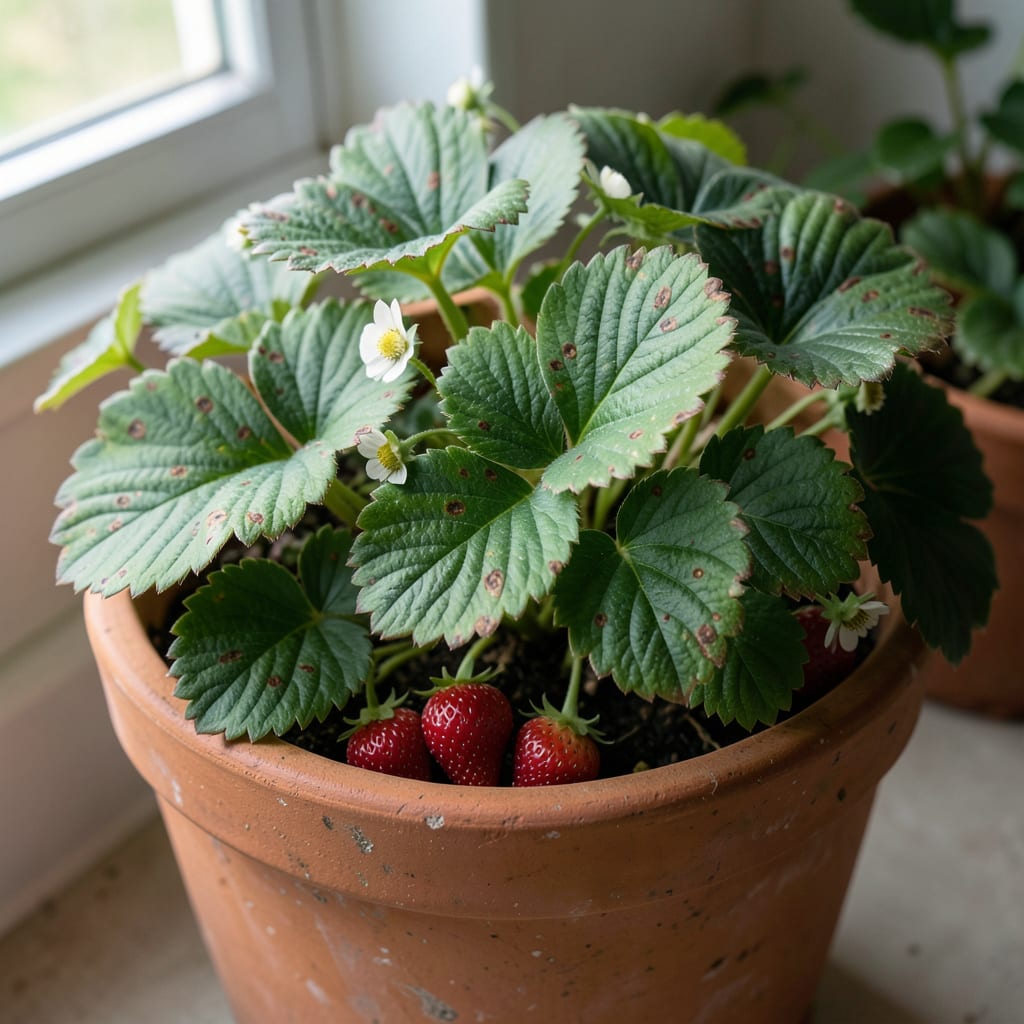
Those brown spots on your strawberry leaves aren’t just ugly—they’re a warning. 🌱 I’ve seen entire patches wiped out by ignoring this early sign, but catching it now means saving your harvest.
Most cases trace back to fungal infections like leaf spot or anthracnose, but environmental stress or pests can mimic the damage. The good news? Treatment starts with simple changes: better airflow, drip irrigation, and removing infected leaves immediately.
Within 2-3 weeks of consistent care, new growth emerges clean and strong. The key is acting before the disease spreads to fruit, which happens faster than you’d expect in warm, wet conditions.
Works for garden beds, containers, or hanging baskets. Here’s how to diagnose and fix it for good.
Brown spots on strawberry leaves are usually a sign of underlying issues, often tied to environmental stress, pests, or pathogens. Below are the most common causes, broken down for clarity and actionability.
Fungi like Mycosphaerella fragariae (leaf spot) or Diplocarpon earlianum (leaf blight) thrive in wet, humid conditions. They infect leaves through spores, creating circular or irregular brown patches with darker edges. Overhead watering and poor air circulation worsen the spread.
Extreme temperatures, drought, or excessive sunlight can scorch leaves, leading to brown, crispy spots. Strawberries prefer consistent moisture and partial shade in hot climates. Salt buildup from poor-quality water or over-fertilization can also cause leaf burn.
Pests like spider mites, aphids, or strawberry root weevils feed on leaves, causing stippling, yellowing, or brown necrotic spots. Their piercing mouthparts damage plant cells, and some pests transmit secondary infections.
A lack of potassium, magnesium, or calcium can manifest as brown leaf spots. For example, potassium deficiency often causes leaf edges to turn brown and crisp, while calcium deficits lead to distorted growth with necrotic patches.
Tackling brown spots on strawberry leaves starts with identifying the root cause. Here’s a practical guide to treating and preventing each issue:
If leaf spot disease or powdery mildew is the culprit, remove infected leaves immediately to stop the spread. Apply a copper-based fungicide or a homemade spray of 1 tsp baking soda + 1 quart water + a drop of dish soap. Prevention tip: 💡 Space plants for airflow and water at the base to keep leaves dry.
For spider mites or aphids, blast them off with water or use neem oil (mix 1 tbsp per gallon of water). Introduce beneficial insects like ladybugs. Prevention tip: 🎯 Inspect plants weekly and keep the garden free of debris where pests hide.
Yellowing with brown spots often signals a magnesium or potassium shortage. Amend soil with compost or a balanced fertilizer (10-10-10). Prevention tip: ✨ Test soil annually and adjust pH (6.0–6.5 is ideal for strawberries).
If sunscald or drought stress is causing spots, provide shade cloth during peak heat and maintain consistent moisture. Mulch with straw to retain water. Prevention tip: 🌡️ Water deeply in the morning to prepare plants for the day’s heat.
Early action and consistent care will keep your strawberry plants healthy and productive! 🍓
Yes, excessive moisture creates ideal conditions for fungal growth. Always water at the base in the morning and ensure proper drainage to prevent soggy soil.
If left untreated, fungal infections can spread to berries, causing rot. Remove affected leaves immediately and treat with a copper fungicide to protect your harvest.
Space plants 12-18 inches apart for airflow, use drip irrigation, and remove garden debris where pathogens hide. Mulching with straw helps too.
Not always—environmental stress like sunscald or nutrient deficiencies can cause similar symptoms. Check for patterns: fungal spots often have dark edges, while stress-related spots are irregular.
