
Beautiful Plants For Your Interior
Beautiful Plants For Your Interior
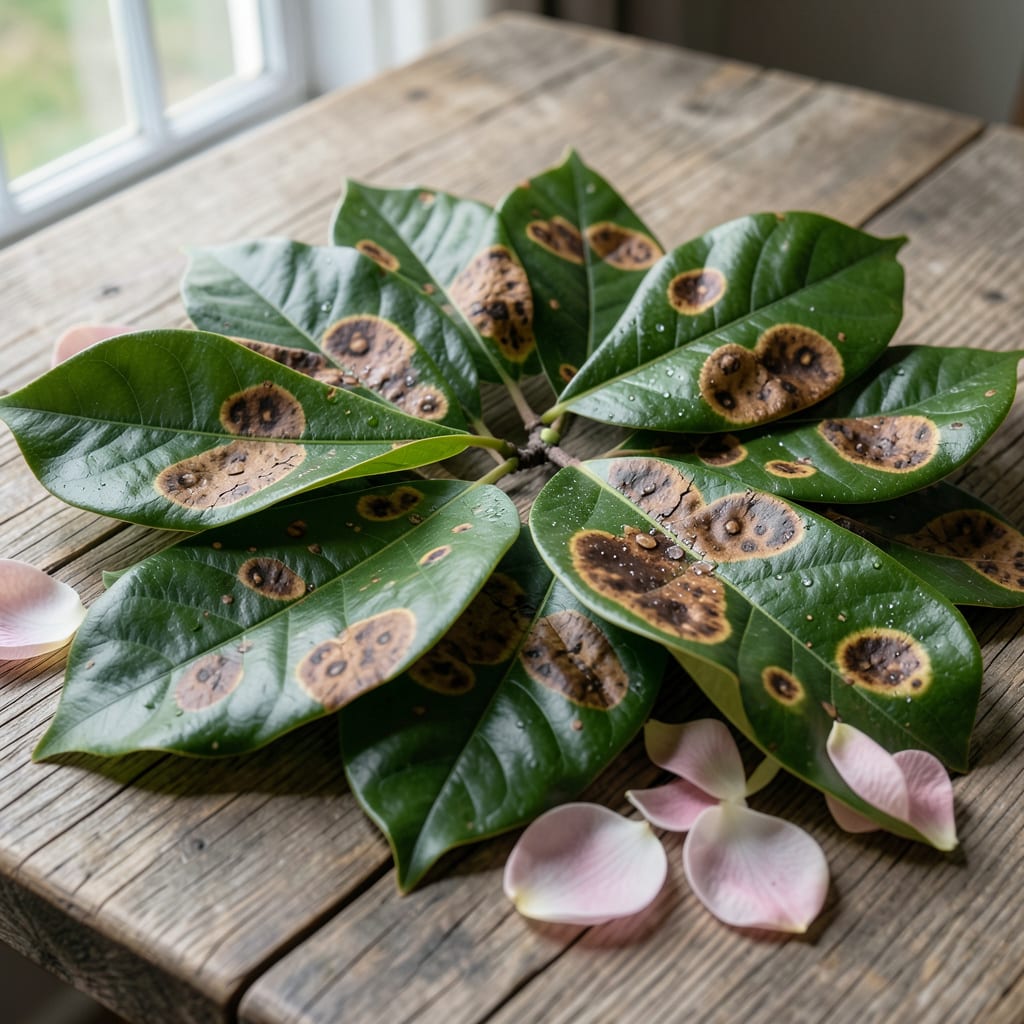
Brown spots on magnolia leaves always look worse than they are. I’ve seen healthy trees recover completely with the right approach, and early action makes all the difference.
These spots usually signal one of three issues: fungal infection, environmental stress, or pest damage. Each leaves a distinct pattern, so learning to read the signs is your first step toward fixing the problem.
With a few organic treatments and preventive measures, you can restore your magnolia’s vibrant green foliage. The key is consistency—address the cause, not just the symptoms.
Works for young saplings and mature trees alike. Here’s how to diagnose and treat it properly.
Brown spots on magnolia leaves often signal underlying issues that disrupt the tree’s health. Here’s a breakdown of the most common causes, explained with actionable insights:
Fungi like Cercospora or Alternaria thrive in damp, poorly ventilated conditions. These pathogens infect leaves through spores, creating circular or irregular brown spots with yellow halos. Overhead watering or crowded canopies exacerbate the problem. Action: Improve airflow, avoid wetting foliage, and apply copper-based fungicides preventatively.
Extreme weather—drought, heatwaves, or frost—can scorch leaves, leading to marginal or interveinal browning. Magnolias prefer consistent moisture; sudden changes stress the tree, weakening its defenses. Action: Mulch to retain soil moisture and use shade cloth during heat spikes.
Sap-sucking pests (e.g., scale insects or spider mites) pierce leaf tissues, causing stippling or necrotic spots. Their feeding introduces toxins and vectors for secondary infections. Action: Inspect leaf undersides and treat with horticultural oil or insecticidal soap at first signs.
Magnesium or potassium shortages manifest as brown patches, often between leaf veins. Sandy or waterlogged soils limit nutrient uptake. Action: Conduct a soil test and amend with Epsom salts (for magnesium) or potash-rich fertilizers.
Herbicide drift or excessive fertilizer salts can burn leaf edges, mimicking disease symptoms. Magnolias are sensitive to 2,4-D and glyphosate. Action: Rinse leaves immediately if exposure occurs and avoid spraying near the tree.
Addressing brown spots on magnolia leaves starts with identifying the root cause. Here’s how to tackle common issues and restore your tree’s health.
If the spots are circular with dark edges, a fungicide is your best bet. Remove infected leaves and branches to stop the spread. Apply a copper-based fungicide or neem oil every 7–10 days until the issue resolves. Prevention tip: 💡 Improve air circulation by pruning dense foliage and avoid overhead watering to keep leaves dry.
For water-soaked spots that turn brown, prune affected areas immediately. Disinfect your tools with rubbing alcohol between cuts to avoid spreading bacteria. Apply a bactericide like copper sulfate, and water at the base of the tree. Prevention tip: 🌡️ Water early in the day so leaves dry quickly, and avoid crowding plants.
Check for pests like scale or mites causing stippled brown spots. Blast them off with a strong stream of water, or apply insecticidal soap or horticultural oil. For severe infestations, use a targeted pesticide. Prevention tip: ✨ Inspect leaves regularly and encourage beneficial insects like ladybugs.
Yellowing between brown spots often signals a magnesium or iron deficiency. Test your soil and amend with Epsom salt (for magnesium) or chelated iron. Follow package instructions for application rates. Prevention tip: 🎯 Feed your magnolia with a balanced, slow-release fertilizer in early spring.
Brown, crispy edges may mean under- or overwatering. Check soil moisture—magnolias prefer moist but well-drained soil. Mulch to retain moisture and protect roots from temperature swings. Prevention tip: 🌿 Water deeply once a week during dry spells, and avoid soggy soil.
Yes, fungal and bacterial causes can spread via wind, water, or gardening tools. Isolate affected magnolias and sanitize tools between uses to prevent contamination.
With consistent fungicide or bactericide applications, you may see improvement in 2-3 weeks. Environmental adjustments (watering, mulching) show results faster, often within 7-10 days.
Severely damaged leaves won’t heal completely. Remove them to improve appearance and prevent further spread. New, healthy growth will replace them over time.
For magnolias grown for their seeds or leaves, always use organic treatments like neem oil or copper sulfate. Avoid synthetic chemicals if any part is consumed.
