
Beautiful Plants For Your Interior
Beautiful Plants For Your Interior
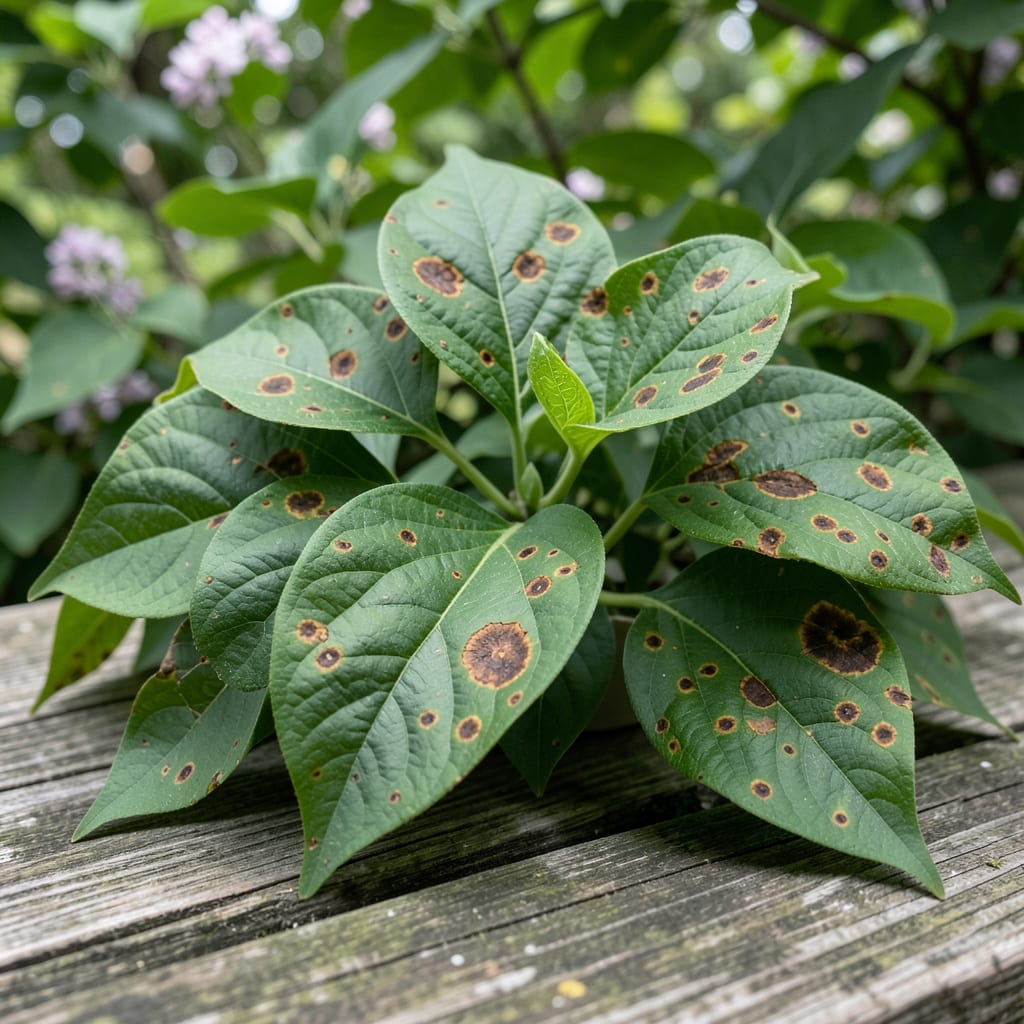
Those brown spots on your lilac leaves aren’t just ugly—they’re a cry for help. I’ve nursed enough sick lilacs back to health to know that early action makes all the difference.
The usual suspects? Fungal infections, thirsty roots, or pests throwing a party on your plant’s foliage. Each leaves its own signature, and misdiagnosing can waste weeks of treatment time.
Natural remedies work surprisingly well here—copper sprays for fungus, neem oil for pests, and better watering habits. The key is matching the solution to the real problem.
Your lilac can make a full recovery. I’ve seen bushes go from nearly defoliated to exploding with blooms the next season after the right care.
Brown spots on lilac leaves often signal an underlying issue, and pinpointing the cause is the first step toward a solution. Here’s why it happens:
Fungi like Cercospora or Septoria thrive in warm, wet conditions, leading to circular or irregular brown spots with darker edges. These pathogens spread via water splashes or contaminated tools. Overhead watering or poor air circulation exacerbates the problem.
Bacteria such as Pseudomonas syringae cause water-soaked spots that turn brown and may ooze in humid weather. Infected leaves often yellow around the spots. The bacteria enter through wounds or stomata, especially in crowded or poorly pruned plants.
Sap-sucking pests like aphids, scale, or lilac borers weaken leaves, creating entry points for secondary infections. Their feeding damage can mimic disease symptoms, with stippled or necrotic brown patches appearing where they’ve fed.
Drought, excessive heat, or nutrient deficiencies (e.g., potassium or magnesium) can cause leaf scorch, where edges or tips turn brown and crisp. Over-fertilization, particularly with high-nitrogen products, may also trigger spot-like burn marks.
Herbicide drift or improper pesticide application can lead to sudden browning or spotting. Lilacs are sensitive to certain chemicals, especially when applied during hot weather or high humidity.
Addressing brown spots on your lilac leaves starts with identifying the cause and applying targeted fixes. Here’s how to tackle each common issue effectively:
Remove infected leaves and branches with clean, sharp shears to prevent the fungus from spreading. Dispose of the debris far from the plant—never compost it. Apply a copper-based fungicide or a homemade mix of 1 tbsp baking soda + 1 tsp dish soap + 1 gallon of water. Spray every 7–10 days until spots disappear. Prevention tip: 💡 Improve air circulation by spacing plants properly and watering at the base to keep foliage dry.
Blast pests like aphids or mites off leaves with a strong stream of water. For stubborn cases, use neem oil or insecticidal soap, applying in the early morning or late evening. Introduce beneficial insects like ladybugs to keep pests in check naturally. Prevention tip: ✨ Regularly inspect leaves (especially undersides) and maintain garden cleanliness to deter pests.
Overwatering or drought can both cause brown spots. Check soil moisture 2 inches deep—if it’s soggy, reduce watering; if dry, water deeply once a week (more in extreme heat). Mulch around the base to retain moisture. Prevention tip: 🌡️ Use a moisture meter to avoid guessing, and water early in the day to allow foliage to dry.
Yellowing edges with brown spots often signal a lack of potassium or magnesium. Apply a balanced fertilizer (10-10-10) or amend soil with compost. For magnesium, sprinkle 1 tbsp Epsom salt per foot of plant height around the base and water in. Prevention tip: 🎯 Test soil every 2–3 years to monitor nutrient levels.
If cold snaps or intense sunlight are to blame, shield lilacs with burlap or frost cloth in late fall/winter. For sunburn, ensure plants get morning sun and afternoon shade. Prevention tip: 🌿 Plant lilacs in a location with consistent, moderate light and mulch heavily before winter.
Consistency is key—monitor your lilacs weekly to catch issues early and keep them thriving!
Not always. While fungi and bacteria are common culprits, environmental stress like drought or sunburn can also create similar symptoms. Check your watering habits first.
Fungal spots often have defined edges or concentric rings, while bacterial spots may appear water-soaked with yellow halos. A magnifying glass helps spot these details.
Yes, but only if done correctly. Use clean shears and remove all spotted foliage, then dispose of it far from your garden. Never compost diseased plant material.
A baking soda spray (1 tbsp baking soda + 1 tsp dish soap + 1 gallon water) works well for mild fungal issues. Apply every 7-10 days for best results.
