
Beautiful Plants For Your Interior
Beautiful Plants For Your Interior
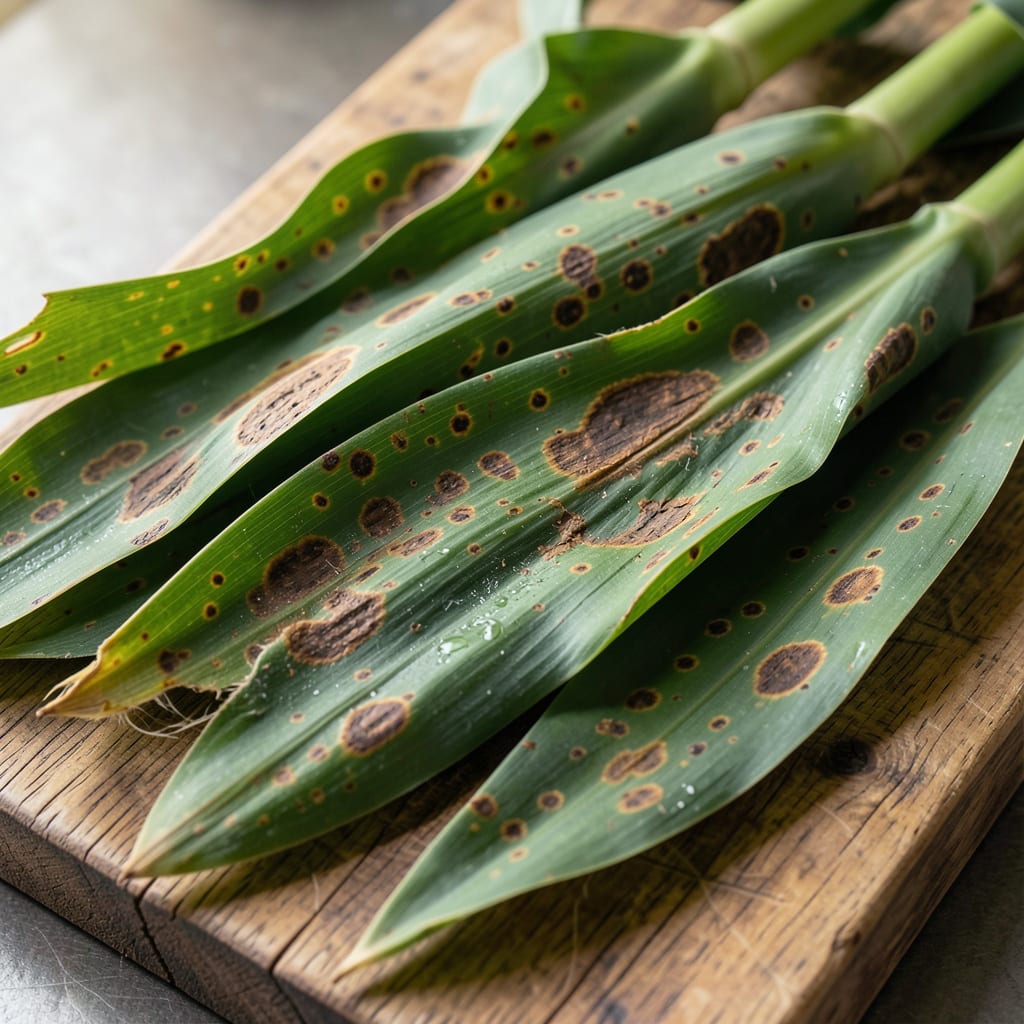
Those brown spots on your corn plant leaves aren’t just ugly—they’re a distress signal. I’ve seen healthy plants go downhill fast when this issue spreads, but early action makes all the difference.
Most times, it’s a fungal party crashing in your garden, but pests or nutrient gaps can be just as guilty. The good news? You don’t need a degree in plant pathology to figure it out. A quick inspection and a few simple fixes often turn things around.
With the right steps, your corn plants can bounce back in 2-3 weeks. The key is acting before the spots merge and take over entire leaves.
Works for backyard sweet corn, field corn, or ornamental varieties. Let’s get to the bottom of this.
Brown spots on corn leaves often signal underlying issues that disrupt the plant’s health. Below are the most common causes, explained with actionable insights.
Pathogens like Bipolaris maydis (Southern corn leaf blight) or Exserohilum turcicum (Northern corn leaf blight) thrive in warm, humid conditions. These fungi produce toxins that damage leaf tissues, creating elongated, tan-to-brown lesions. Poor air circulation and overhead watering accelerate their spread.
Insects such as corn borers, aphids, or spider mites pierce leaf cells to feed, leaving entry points for secondary infections. Their feeding stress also weakens the plant, making it more susceptible to brown spotting. Check undersides of leaves for pests or sticky residue (honeydew).
Drought, heatwaves, or nutrient deficiencies (especially potassium or magnesium) can trigger physiological leaf scorching. Corn plants under water stress develop brown, dry spots as cells die from lack of moisture. Similarly, excessive sunlight without adequate water leads to “sunburn” on leaves.
Over-fertilization, particularly with nitrogen, can cause salt burn, manifesting as brown, crispy leaf tips or margins. Conversely, a deficiency in essential micronutrients like zinc or iron may lead to interveinal browning. Soil testing helps pinpoint imbalances.
Herbicide drift or improper pesticide application can cause localized browning. Chemicals like glyphosate or 2,4-D may lead to necrotic spots if the plant is exposed to off-target spray. Always apply treatments during calm weather to avoid drift.
Addressing brown spots on corn plant leaves starts with pinpointing the cause. Here’s how to tackle each issue head-on:
If the spots are circular with a dark center, a fungicide is your best bet. Apply a copper-based fungicide every 7–10 days until the spots disappear. Prevention tip: 💡 Space plants properly to improve airflow and avoid overhead watering to keep leaves dry.
Inspect leaves for tiny insects like aphids or spider mites. Spray with neem oil or insecticidal soap, focusing on the undersides of leaves where pests hide. Prevention tip: 🎯 Introduce beneficial insects like ladybugs to your garden for natural pest control.
Overwatering or drought can cause brown edges or patches. Adjust your watering schedule—aim for 1–1.5 inches of water per week, including rainfall. Prevention tip: ✨ Use mulch to retain moisture and prevent soil from drying out too quickly.
Yellowing leaves with brown spots often signal a lack of potassium or magnesium. Apply a balanced fertilizer or amend the soil with compost. Prevention tip: 🌡️ Test your soil annually to monitor nutrient levels and adjust as needed.
If spots appear after fertilizing or spraying, rinse the leaves with water immediately. Dilute chemicals properly and apply during cooler parts of the day. Prevention tip: 🔥 Always follow label instructions and test sprays on a small area first.
Act quickly, and your corn plants will bounce back with vibrant, healthy leaves!
Yes, too much water can lead to root rot, which restricts nutrient uptake and causes brown patches. Aim for 1-1.5 inches of water per week, including rainfall.
Fungal spots often have a dark center with a lighter ring. They spread quickly in wet conditions. Check for circular patterns on leaves.
Neem oil treats aphids, mites, and other pests causing damage. Apply to leaf undersides every 5-7 days until pests are gone.
Yes, fungal infections and pests can spread. Remove affected leaves and isolate the plant. Always disinfect tools after use.
