
Beautiful Plants For Your Interior
Beautiful Plants For Your Interior
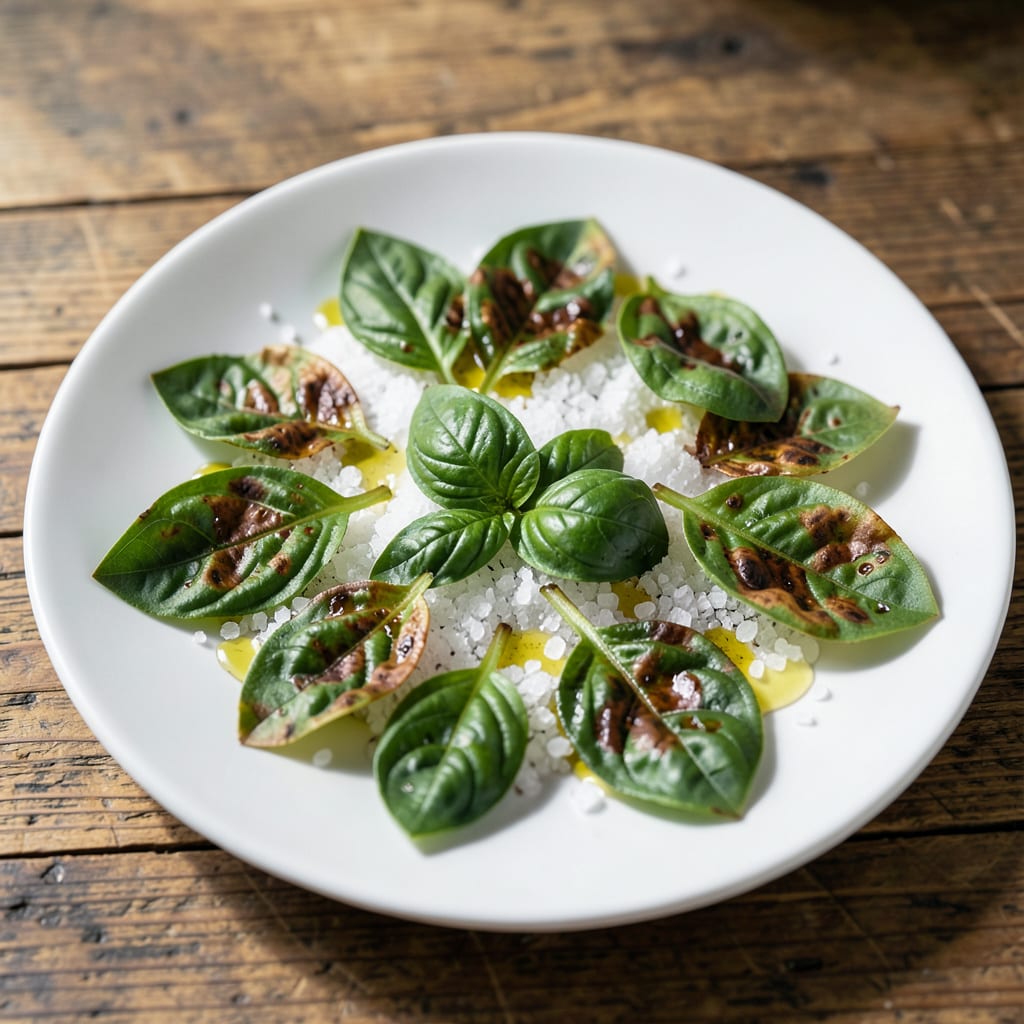
Nothing ruins fresh basil faster than those unsightly brown spots. I’ve lost count of how many plants I’ve saved by catching the early signs—wilted edges, yellow halos, or crispy patches that spread overnight.
Turns out, most cases come down to 3 common culprits: overwatering, fungal infections, or pest damage. The good news? All are fixable with simple adjustments to your care routine and growing conditions.
You’ll see new growth return to that vibrant green within 7-10 days once you address the root cause. No fancy equipment needed—just consistent observation and a few preventative habits.
Works for potted plants, garden beds, or indoor setups. Here’s how to diagnose and stop the spread.
Brown spots on basil can stem from several environmental and biological factors. Understanding the root cause helps you address the issue effectively. Below are the most common culprits:
Basil thrives in warm, consistent temperatures between 70–85°F (21–29°C). Exposure to cold drafts (below 50°F/10°C) or heat spikes above 90°F (32°C) can trigger cell damage, leading to brown or black spots. This often appears as scorched edges or irregular patches.
Excess moisture suffocates basil roots, promoting fungal growth (e.g., Phytophthora or Pythium). Waterlogged soil prevents oxygen uptake, causing yellowing leaves with brown spots. Ensure pots have drainage holes and use well-draining soil.
Pathogens like Colletotrichum (anthracnose) or Alternaria thrive in humid conditions. They manifest as dark, sunken spots with concentric rings. Spores spread via water splashes, so avoid overhead watering and improve airflow.
Pests like thrips or spider mites pierce basil leaves, creating tiny wounds that turn brown. Check leaf undersides for silver streaks (thrips) or webbing (mites). Neem oil or insecticidal soap can help.
Over-fertilizing (especially with high-salt mixes) causes fertilizer burn, visible as crisp, brown leaf tips. Conversely, potassium or magnesium deficiencies may lead to interveinal browning. Test soil and adjust nutrients accordingly.
Tackling brown spots on basil starts with identifying the root cause. Here’s a practical guide to solutions for each common issue, plus prevention tips to keep your basil thriving.
If fungal diseases like downy mildew or leaf spot are the culprits, start by removing affected leaves to prevent spreading. Space plants 12–18 inches apart to boost airflow, and water at the base (not the leaves) to reduce moisture. For severe cases, apply a copper-based fungicide or a DIY mix of 1 tsp baking soda + 1 quart water + a few drops of dish soap. Prevention tip: 💡 Water early in the day so leaves dry quickly.
Pests like aphids or spider mites cause brown spots by sucking sap. Blast them off with water or wipe leaves with a soapy water solution (1 tsp mild soap + 1 liter water). For stubborn infestations, use neem oil (follow label instructions). Prevention tip: 🎯 Introduce beneficial insects like ladybugs or use reflective mulch to deter pests.
If leaves show crispy brown edges from too much sun, move pots to partial shade (especially in peak afternoon hours). For garden plants, use shade cloth to filter light. Prevention tip: ✨ Acclimate basil gradually to outdoor light if starting indoors.
Both over- and under-watering cause brown spots. Check soil moisture by sticking your finger 1 inch deep—water if dry. Ensure pots have drainage holes to avoid soggy roots. Prevention tip: 🌡️ Use a moisture meter for precision, and water deeply but less frequently.
Yellowing leaves with brown spots may signal a magnesium or potassium deficiency. Amend soil with compost or a balanced fertilizer (10-10-10). For quick fixes, use Epsom salt spray (1 tbsp per gallon of water) for magnesium. Prevention tip: 🔥 Test soil annually and rotate crops to maintain nutrient balance.
Yes, overwatering leads to root rot and fungal growth. This prevents oxygen uptake, causing yellowing leaves with brown spots. Always ensure pots have drainage holes.
Check leaf undersides for silver streaks (thrips) or webbing (mites). These pests pierce leaves, creating wounds that turn brown. Neem oil can help treat infestations.
Yes, with proper care. Remove affected leaves, address the root cause, and new growth should return to vibrant green within 7-10 days. Consistency is key.
