
Beautiful Plants For Your Interior
Beautiful Plants For Your Interior
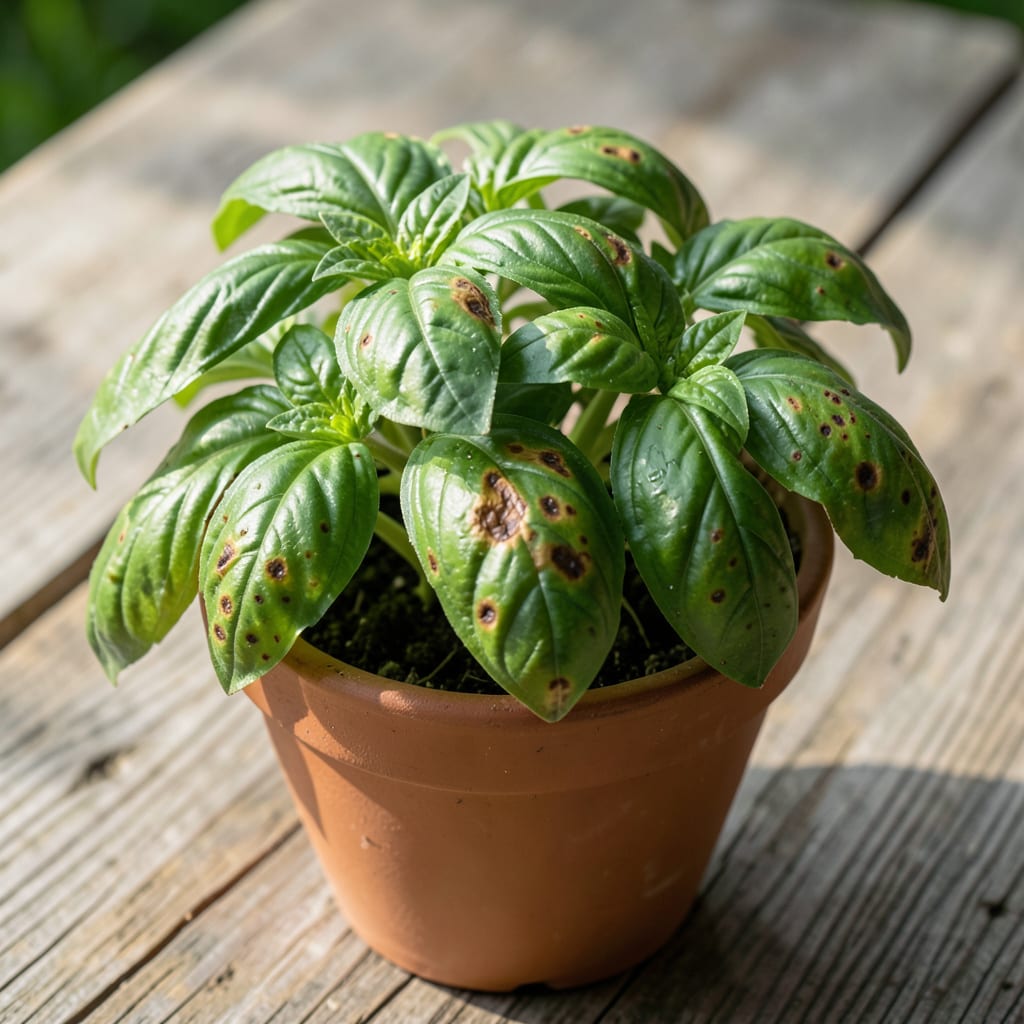
Your basil’s brown spots aren’t just ugly—they’re a distress signal. I’ve seen healthy plants decline overnight from what started as a few dark patches on the leaves.
Most cases trace back to three culprits: watering habits that swing between drought and swamp, fungal invaders that thrive in damp conditions, or tiny pests that turn leaves into an all-you-can-eat buffet. Each leaves a distinct pattern you can learn to recognize.
Here’s the thing—early intervention works. A simple adjustment to your routine or a natural spray can stop the spread within 48 hours. The plants I saved now look better than ever.
We’ll cover how to diagnose the issue fast and fix it without harsh chemicals. Your basil can bounce back completely with the right approach.
Brown spots on basil leaves are often a sign of stress or disease, and several factors can trigger them. Understanding the root cause is key to restoring your plant’s health. Below are the most common reasons, explained clearly with actionable insights.
Fungi like Colletotrichum (anthracnose) or Alternaria thrive in wet, humid conditions. These pathogens create dark, sunken spots with yellow halos, often starting on lower leaves. Overhead watering and poor airflow accelerate their spread. Solution: Remove infected leaves immediately, improve ventilation, and avoid wetting foliage when watering.
Pseudomonas cichorii and other bacteria cause small, water-soaked spots that turn brown and crispy. These often appear after prolonged moisture on leaves. Solution: Prune affected areas with sterilized shears, and switch to drip irrigation to keep leaves dry. Copper-based sprays can help prevent recurrence.
Sap-sucking pests like aphids, spider mites, or thrips weaken basil, leading to brown, dried-out spots where they feed. Check the undersides of leaves for tiny insects or webbing. Solution: Blast pests off with water or apply neem oil. Introduce beneficial insects like ladybugs for long-term control.
Extreme heat, cold drafts, or inconsistent watering can cause edges or tips of basil leaves to turn brown. Basil prefers temperatures between 70–90°F (21–32°C) and evenly moist soil. Solution: Move potted basil to a stable environment, mulch to retain soil moisture, and water when the top inch of soil feels dry.
Root rot from soggy soil restricts nutrient uptake, leading to brown, wilting leaves. Basil roots need oxygen, and waterlogged conditions suffocate them. Solution: Ensure pots have drainage holes, use well-draining soil, and let excess water run off after watering.
When brown spots appear on your basil, quick action can save your plant. Below are targeted fixes for each common cause, plus prevention tips to keep your basil thriving.
Remove affected leaves immediately to prevent spread. Mix 1 tsp baking soda + 1 quart water + a few drops of dish soap, and spray lightly on leaves every 5–7 days. For bacterial issues, copper-based fungicides (available at garden stores) work well. Prevention: Space plants 12–18 inches apart for airflow, water at the base (not overhead), and avoid wet foliage.
Let the top inch of soil dry out before watering again. Ensure pots have drainage holes, and use well-draining soil. If root rot is suspected, trim blackened roots and repot in fresh soil. Prevention: Water deeply but infrequently—basil prefers slightly moist, not soggy, soil.
Move potted basil to a spot with 6–8 hours of sunlight daily and protect it from harsh afternoon rays. If temperatures drop below 50°F (10°C), bring plants indoors. Prevention: Acclimate basil gradually to outdoor conditions and use shade cloth in extreme heat.
Wipe leaves with a damp cloth to remove aphids or spider mites. For stubborn infestations, spray with neem oil (1 tbsp oil + 1 tsp dish soap + 1 quart water) weekly. Prevention: Inspect plants regularly and introduce beneficial insects like ladybugs.
Use a balanced, water-soluble fertilizer (10-10-10) every 4–6 weeks, or opt for compost tea for a natural boost. Yellowing leaves with brown spots often signal nitrogen or potassium shortages. Prevention: Test soil annually and amend with organic matter before planting.
💡 Pro Tip: Always sterilize pruning tools with rubbing alcohol to avoid spreading disease between plants!
Yes, overwatering leads to root rot, which restricts nutrient uptake and causes brown, wilting leaves. Always let the top 1 inch of soil dry between waterings.
Fungal spots often have yellow halos and appear on lower leaves first. They thrive in wet conditions, so check for poor airflow or overhead watering.
Neem oil treats pests like aphids and mites that cause brown spots. Mix 1 tablespoon oil with 1 quart water and spray weekly.
Yes, basil prefers stable temps between 70-90°F. Cold drafts or extreme heat stress the plant, leading to brown edges or tips.
