
Beautiful Plants For Your Interior
Beautiful Plants For Your Interior
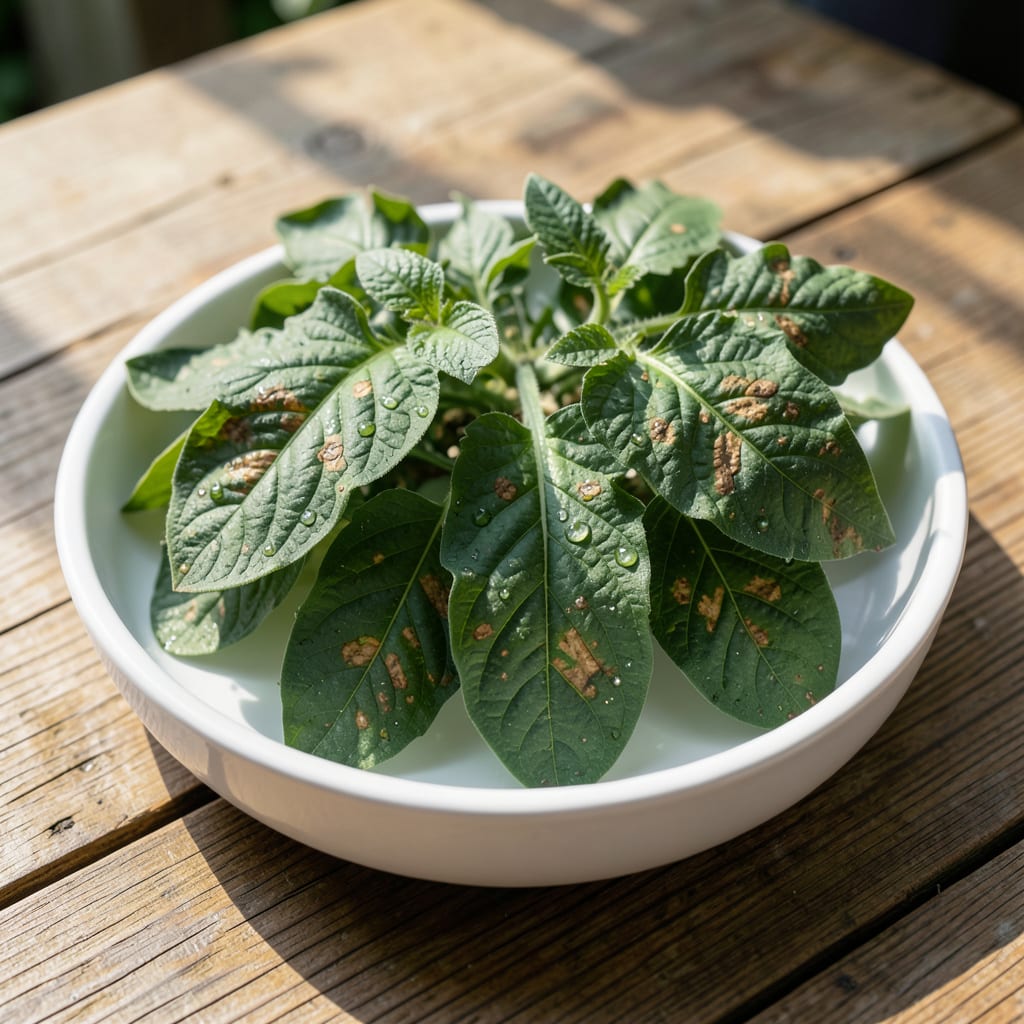
Brown spots on your tomato leaves aren’t just ugly—they’re a warning sign. I’ve lost entire plants to early blight by ignoring the first few marks, assuming they’d go away on their own.
Here’s the thing—those dark concentric rings or dry, papery patches usually mean fungal trouble. Most gardeners overlook the lower leaves first, where the problem often starts, spreading upward if left unchecked.
You can stop it in its tracks with immediate action. Remove affected leaves, improve airflow, and apply a copper fungicide at the first sign. I’ve saved crops this way with just 2-3 treatments.
Prevention is simpler than cure. Rotate crops, water at the base, and keep plants spaced properly. No more guessing—just healthy tomatoes.
Brown marks on tomato leaves often signal underlying issues that disrupt plant health. Below are the primary causes, explained with actionable insights.
Pathogens like Alternaria solani (early blight) or Septoria lycopersici thrive in warm, humid conditions. These fungi produce spores that infect leaves, creating circular brown lesions with concentric rings. Overhead watering and poor air circulation accelerate their spread.
A lack of calcium or potassium can cause brown, necrotic spots. Calcium deficiency often appears as irregular brown patches on newer leaves, while potassium scarcity leads to scorched edges on older foliage. Soil testing helps confirm imbalances.
Sap-sucking pests like spider mites or aphids damage leaf tissue, leaving stippled or blotchy brown marks. Their feeding disrupts chlorophyll production, and their honeydew residue can foster sooty mold, worsening discoloration.
Excessive heat, drought, or sunscald can scorch leaves, creating dry, papery brown patches. Inconsistent watering (over- or under-) also stresses plants, making them more susceptible to diseases that cause similar symptoms.
Overuse of fertilizers or pesticides can lead to phytotoxicity, manifesting as brown, crispy spots. Always follow label instructions and avoid applying treatments during peak sunlight hours to minimize leaf damage.
Addressing brown marks on tomato leaves starts with identifying the cause. Here’s how to treat and prevent each issue:
Fix: Remove infected leaves immediately and apply a copper-based fungicide or a homemade mix of 1 tsp baking soda + 1 quart water + a few drops of dish soap. Spray every 7–10 days until the issue clears.
Prevention: 💡 Improve airflow by pruning dense foliage and watering at the base (not overhead) to keep leaves dry. Use mulch to prevent soil splash.
Fix: Blast pests like aphids or whiteflies off with water, then apply neem oil or insecticidal soap. For severe infestations, introduce beneficial insects like ladybugs.
Prevention: ✨ Inspect plants weekly and encourage natural predators. Companion planting with basil or marigolds can deter pests.
Fix: Shield plants from extreme heat with shade cloth. If cold is the culprit, use row covers. Adjust watering to maintain consistent moisture—avoid drought or waterlogging.
Prevention: 🎯 Mulch to regulate soil temperature and retain moisture. Group plants to create a microclimate.
Fix: Test soil and amend with a balanced fertilizer (e.g., 10-10-10) or organic options like compost tea. For calcium deficiency (blossom end rot), add crushed eggshells or lime.
Prevention: 🌱 Rotate crops annually and enrich soil with compost before planting. Avoid over-fertilizing with nitrogen.
Act quickly—the sooner you intervene, the faster your tomatoes will recover! 🍅
Yes, overwatering can lead to root rot, which stresses the plant and causes brown leaf spots. It also creates ideal conditions for fungal growth. Always check soil moisture before watering.
Fungal spots often have concentric rings or a yellow halo, while pest damage looks like tiny dots or stippling. Check leaf undersides for insects or webbing.
Yes, pruning infected leaves improves airflow and reduces fungal spread. Use clean shears and remove leaves at the stem. Never compost diseased foliage.
A baking soda spray (1 tsp per quart of water) can help prevent fungal growth. Apply weekly, but for severe cases, copper fungicide is more reliable.
