
Beautiful Plants For Your Interior
Beautiful Plants For Your Interior
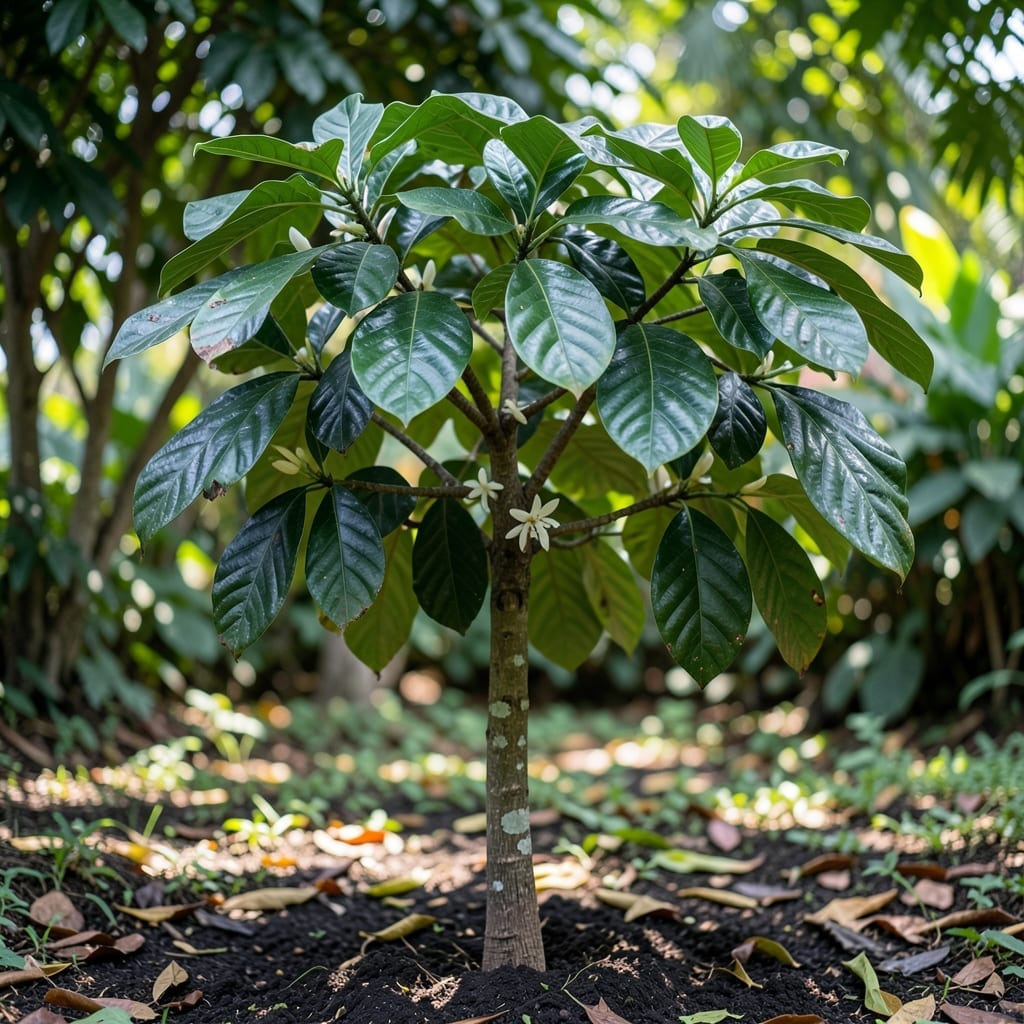
Brown tips on your cocoa tree aren’t just unsightly—they’re a cry for help. I’ve seen this issue derail otherwise thriving trees, but the fix is usually simpler than you think.
Most cases trace back to inconsistent watering, low humidity, or a buildup of salts in the soil. Even a slight imbalance in these areas can stress the leaves, turning their edges crispy and brown.
With a few adjustments to your care routine, you’ll see new growth emerging within weeks. The key is catching it early before the damage spreads to healthier foliage.
Works for indoor potted trees and outdoor specimens alike. Here’s how to diagnose and treat it for good.
Brown leaf tips on cocoa trees are often a sign of underlying stress. Understanding the root causes can help you address the issue effectively. Below are the most common reasons why this happens.
Both overwatering and underwatering can lead to brown leaf tips. Overwatering suffocates the roots, reducing oxygen uptake and causing root rot, which manifests as browning at the tips. Conversely, underwatering leads to dehydration, forcing the tree to prioritize water to newer leaves, leaving older ones to brown and die.
Cocoa trees thrive in tropical conditions (70–85°F). Exposure to temperatures below 50°F or above 95°F disrupts cellular function. Cold stress causes leaf margins to brown due to frost damage or chilling injury, while heat stress accelerates water loss, leading to tip burn.
As a native of humid rainforests, cocoa trees require 60–80% humidity. Dry air increases transpiration rates, causing moisture loss faster than the roots can absorb water. The leaf tips, being farthest from the water source, dry out first, turning brown and crispy.
Deficiencies in magnesium, potassium, or calcium often show up as browning tips. Magnesium deficiency causes interveinal chlorosis (yellowing between veins) followed by necrosis (brown death of tissue). Potassium deficiency leads to weak cell walls, making tips vulnerable to drying out. Excess salts from over-fertilization can also burn the roots, mimicking drought stress.
Infestations of mealybugs, scale insects, or spider mites sap nutrients from the leaves, leading to localized browning. Fungal diseases like Phytophthora can cause leaf blight, starting with tip necrosis. Bacterial infections may also trigger marginal browning due to disrupted water transport.
Here’s how to address brown leaf tips on your cocoa tree, tailored to the most common causes:
Let the soil dry slightly between waterings—cocoa trees hate soggy roots. Repot in well-draining soil mixed with perlite or sand. Ensure pots have drainage holes to prevent waterlogging.
Prevention: Stick your finger 2 inches into the soil; water only if dry. Use a moisture meter for precision. 💡
Increase humidity with a pebble tray or humidifier (aim for 70-100%). Move the tree to bright, indirect light—direct sun scorches leaves. For outdoor trees, provide shade cloth during peak hours.
Prevention: Mist leaves lightly in dry climates, but avoid soaking them. Group plants together to raise local humidity. ✨
Use a balanced, water-soluble fertilizer (10-10-10 or 20-20-20) every 4-6 weeks during growing season. For magnesium deficiency (yellowing between veins), add Epsom salt (1 tbsp/gallon of water) monthly.
Prevention: Test soil annually. Rotate fertilizers to avoid imbalances. Organic compost can boost micronutrients. 🎯
For mealybugs or scale, wipe leaves with a cotton swab dipped in rubbing alcohol. Use neem oil or insecticidal soap weekly until gone. For fungal issues, remove infected leaves and apply a copper-based fungicide.
Prevention: Inspect leaves weekly. Keep the area clean and avoid overhead watering to deter fungi. 🛡️
If roots circle the pot, transplant to a container 2 inches larger. Gently loosen roots and trim any dark, mushy ones. Fresh soil encourages new growth.
Prevention: Repot every 2-3 years or when roots emerge from drainage holes. 🌱
Once leaf tips turn brown, they won’t turn green again. Trim the damaged parts with clean shears to improve appearance and redirect energy to healthy growth. New leaves will replace the old ones with proper care.
Water when the top 2 inches of soil feel dry, typically every 5-7 days in warm weather. Reduce frequency in cooler months. Always use pots with drainage holes to prevent root rot.
Cocoa trees thrive at 60-80% humidity. Use a humidifier or place the pot on a pebble tray with water. Grouping plants together can also help maintain moisture in the air.
Remove only the most damaged leaves to avoid stressing the plant. If more than 30% of the foliage is affected, trim gradually over a few weeks to allow recovery.