
Beautiful Plants For Your Interior
Beautiful Plants For Your Interior
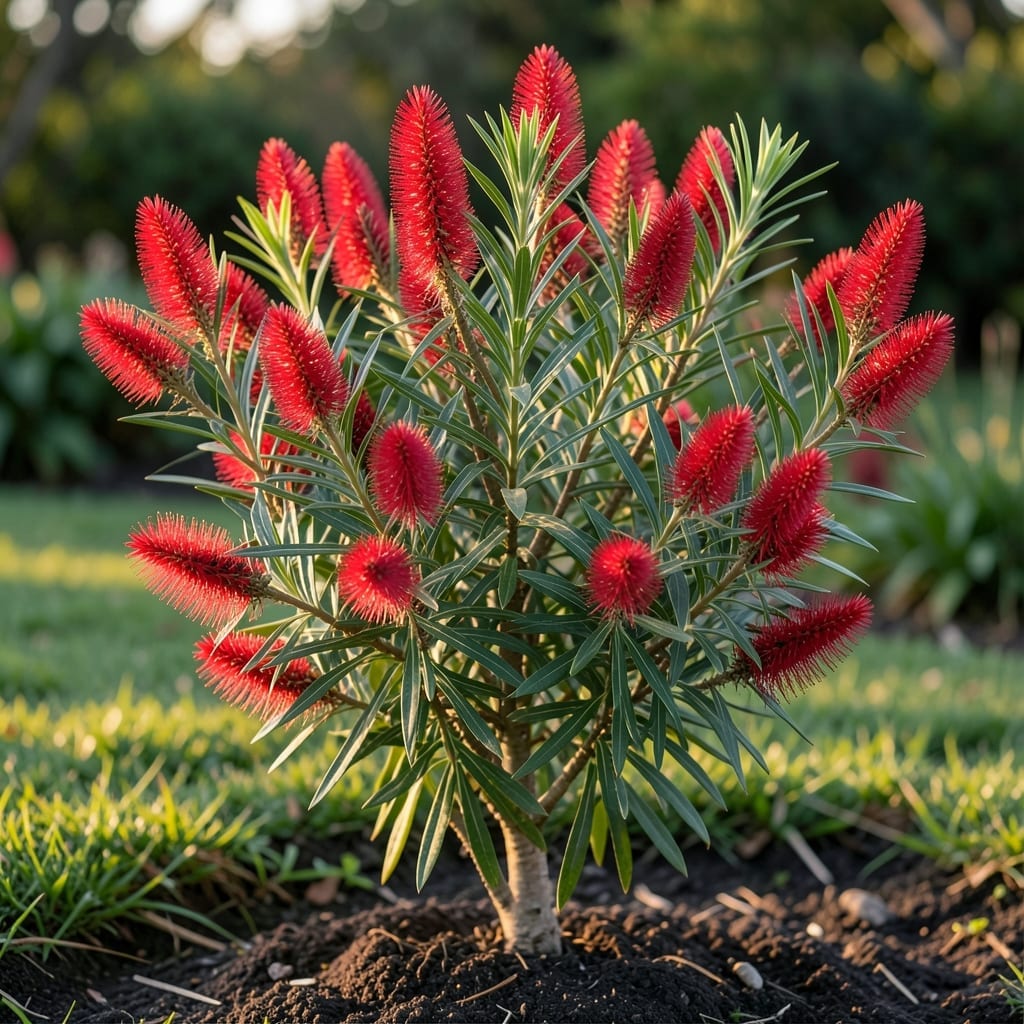
Brown tips on your bottlebrush aren’t just unsightly—they’re a distress signal. I’ve seen this happen when the soil stays too dry between waterings, or when the roots sit in waterlogged conditions for too long.
The fix often starts with checking your watering routine. These plants prefer consistently moist—but not soggy—soil. A simple moisture meter can take the guesswork out of knowing when to water.
Another common culprit is soil pH. Bottlebrush thrives in slightly acidic to neutral soil. If your pH is off, the plant can’t absorb nutrients properly, leading to those brown tips.
With a few adjustments to your care routine, you’ll see new growth returning to its vibrant green in no time. Let’s get to the root of the problem.
Bottlebrush plants (Callistemon spp.) develop brown leaf tips due to stress factors that disrupt their natural growth. Here are the most common causes:
Root stress from improper watering is a leading cause. Overwatering suffocates roots, reducing oxygen uptake and promoting fungal rot, while underwatering leads to dehydration and nutrient transport failure. Bottlebrush plants prefer consistently moist but well-drained soil—soggy or bone-dry conditions trigger tip burn.
These plants thrive in slightly acidic to neutral soil (pH 6.0–7.0). High alkalinity (pH > 7.5) locks out essential micronutrients like iron and manganese, causing chlorosis (yellowing) followed by necrotic (brown) tips. Test soil with a pH kit and amend with sulfur or lime as needed.
Excessive heat, cold drafts, or sudden temperature swings disrupt cellular function. Bottlebrushes are hardy in USDA zones 8–11 but may scorch in intense afternoon sun or freeze damage below 20°F (-7°C). Acclimate plants gradually to new conditions.
A lack of potassium, magnesium, or calcium often manifests as marginal leaf necrosis. Poor soil or leaching from heavy rain can deplete these nutrients. Use a balanced, slow-release fertilizer (e.g., 10-10-10) during the growing season.
Sap-sucking pests like spider mites or scale weaken the plant, while fungal pathogens (e.g., Phytophthora) cause root rot. Inspect leaves for webbing, sticky residue, or blackened stems. Treat with neem oil or fungicides if detected early.
Once you’ve spotted brown tips on your bottlebrush plant, act fast to restore its vibrant red blooms. Below are targeted fixes for the most common causes, paired with prevention tips to keep your plant thriving.
If dry soil is the culprit, give your bottlebrush a deep soak at the base until water runs out the drainage holes. Let the top 1-2 inches of soil dry out between waterings. Prevention: Mulch around the base with organic matter to retain moisture, and water early in the morning to reduce evaporation. 💡 Pro tip: Stick your finger in the soil—if it’s bone-dry 2 inches down, it’s time to water.
Soggy roots lead to brown tips and root rot. Stop watering immediately and let the soil dry out. If the pot lacks drainage holes, repot into a well-draining container with a mix of 50% potting soil and 50% perlite or sand. Prevention: Use a moisture meter or the finger test to avoid overwatering. Ensure pots have drainage holes, and empty saucers after watering.
Bottlebrush plants prefer slightly acidic to neutral soil (pH 6.0–7.0). Test your soil with a kit, and if it’s too alkaline, amend with sulfur or peat moss. For overly acidic soil, add lime. Prevention: Test soil pH every 6 months and adjust as needed. Use a balanced, slow-release fertilizer to maintain healthy pH levels over time.
Brown tips can signal dry air, especially indoors. Mist the leaves regularly or place a humidifier nearby. Grouping plants together can also raise humidity. Prevention: Keep your bottlebrush in a spot with moderate humidity (40–60%) and away from heat vents or drafts.
Yellowing tips with brown edges often mean a lack of potassium or magnesium. Use a balanced, water-soluble fertilizer (10-10-10) every 4–6 weeks during the growing season. Prevention: Feed lightly but consistently, and flush the soil with water every few months to prevent salt buildup.
Water when the top 1-2 inches of soil feel dry. Typically, this means every 7-10 days in warm weather, less in cooler months. Always check soil moisture first to avoid overwatering.
Use well-draining soil with 50% potting mix and 50% perlite or sand. This prevents waterlogging while retaining enough moisture for healthy growth.
Yes! Bottlebrush is hardy in USDA zones 8-11. Below 20°F (-7°C), leaves may develop brown tips from freeze damage. Protect plants during cold snaps.
Misting helps temporarily, but for lasting results, use a humidifier or group plants together. Aim for 40-60% humidity for optimal leaf health.