
Beautiful Plants For Your Interior
Beautiful Plants For Your Interior
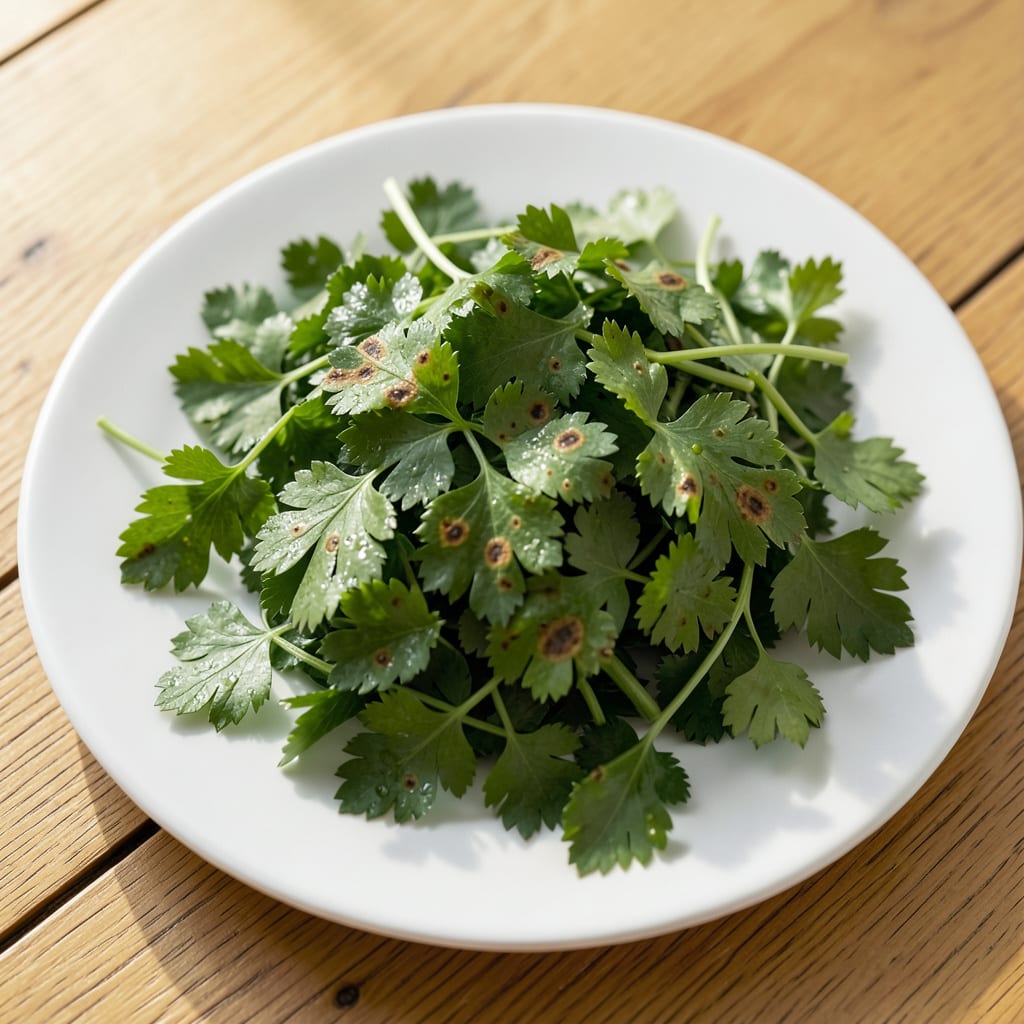
Those brown spots on your parsley aren’t just ugly—they’re a cry for help. I’ve seen healthy leaves turn speckled overnight, and the culprit is usually one of three things: too much water, not enough air, or uninvited pests.
Here’s the thing—most gardeners assume it’s disease, but 90% of the time it’s fixable with a few tweaks. Check your watering schedule first, then look for tiny invaders hiding under the leaves.
With the right approach, your parsley can bounce back to that vibrant green you love. The key is catching it early and acting fast.
This works for potted herbs or garden beds. Let’s get those leaves healthy again.
Brown spots on parsley can stem from several underlying issues, often tied to environmental stress, pests, or diseases. Here’s a breakdown of the most common causes:
Fungi like Alternaria or Septoria thrive in damp, poorly ventilated conditions. These pathogens create circular or irregular brown spots with darker edges, often spreading rapidly across leaves. Overhead watering or crowded plantings exacerbate the problem.
Insects such as aphids, spider mites, or parsley worms feed on foliage, leaving behind discolored or necrotic spots. Look for stippling, webbing, or chewed areas alongside the browning. Early intervention with insecticidal soap can prevent further damage.
Extreme temperatures, sunburn, or inconsistent watering can cause cellular damage, manifesting as brown patches. Parsley prefers consistent moisture and partial shade in hot climates. Mulching helps retain soil moisture and regulate temperature.
A lack of essential nutrients, particularly potassium or magnesium, may lead to leaf discoloration. Brown spots often appear between veins or along leaf margins. A soil test can confirm deficiencies, and balanced fertilization can restore plant health.
Addressing brown spots on parsley starts with identifying the root cause. Below are targeted solutions for common issues, along with prevention tips to keep your plants thriving.
If the spots are spreading or accompanied by a slimy texture, it’s likely a fungal or bacterial issue. Remove affected leaves immediately to prevent contamination. Treat the plant with a copper-based fungicide or a baking soda spray (1 tsp baking soda + 1 quart water + a drop of dish soap).
Prevention: Improve air circulation by spacing plants properly, and avoid overhead watering to keep foliage dry. 💡 Pro tip: Water early in the day so leaves dry quickly in the sun.
Too much sun, heat, or inconsistent watering can cause brown, crispy spots. Move potted parsley to a spot with partial shade, especially during peak afternoon heat. For garden plants, mulch around the base to retain moisture. Water deeply but less frequently to encourage strong roots.
Prevention: Use a soil moisture meter to avoid over- or under-watering. Aim for 1–1.5 inches of water per week, adjusting for rainfall.
Check the undersides of leaves for pests like aphids or spider mites. Blast them off with a strong spray of water, or apply neem oil or insecticidal soap for severe infestations. Remove heavily damaged leaves to reduce pest hiding spots.
Prevention: Introduce beneficial insects like ladybugs to your garden. 🎯 Regularly inspect plants to catch pests early.
Yellowing leaves with brown spots may signal a lack of potassium or magnesium. Amend the soil with compost or a balanced fertilizer (10-10-10). For a quick fix, use a foliar spray of Epsom salt (1 tbsp per gallon of water) for magnesium.
Prevention: Test your soil annually and adjust amendments as needed. Healthy soil = healthy plants!
Not always! They can result from overwatering, sunburn, or even nutrient deficiencies. Check your care routine before assuming it’s a fungal issue.
Remove affected leaves immediately and improve air circulation. Avoid overhead watering, and keep foliage dry to stop fungal growth.
If the spots are due to environmental stress, it’s safe. But if caused by pests or disease, discard affected leaves to avoid contamination.
For pests, use neem oil. For fungi, try a baking soda spray. Adjust watering for environmental stress.
