
Beautiful Plants For Your Interior
Beautiful Plants For Your Interior
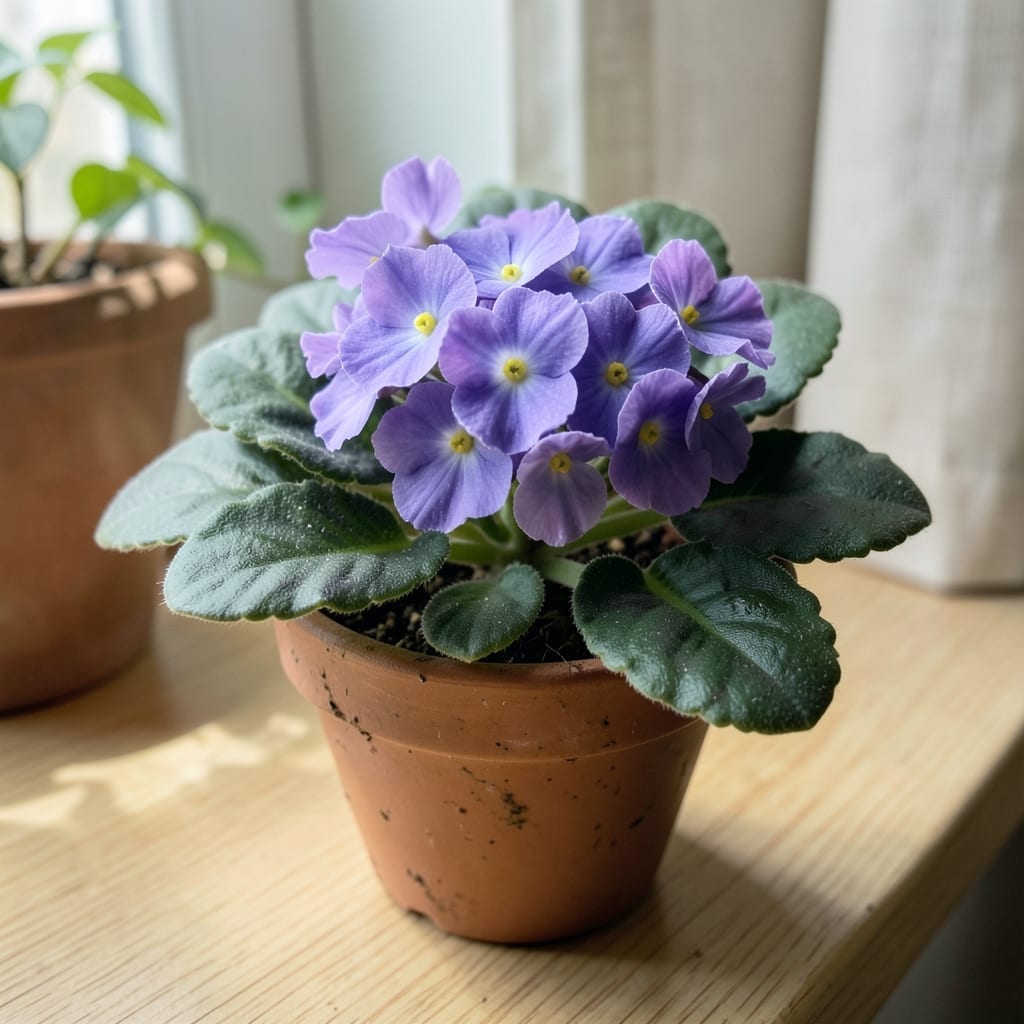
Brown tips on your African violet mean the plant is trying to tell you something. I’ve seen this happen most often when the air is too dry or watering habits are off—both easy fixes once you know the signs.
These delicate plants hate soggy roots but also dislike bone-dry soil. The trick is finding the sweet spot: water when the top inch feels dry, and always use room-temperature water to avoid shocking the roots.
Low humidity is another common culprit, especially in heated homes. A simple pebble tray or a nearby humidifier can make a huge difference in just a few days.
With small adjustments, you’ll see new, healthy growth replacing those crispy edges. Your violet will thank you with vibrant blooms.
Understanding why your African violet develops brown leaf tips is the first step to reviving its health. Here are the most common causes, each with a scientific basis and actionable insight:
African violets (Saintpaulia) are sensitive to excess moisture. Overwatering leads to root rot, which restricts nutrient uptake. As roots suffocate, the plant compensates by redirecting energy away from older leaves, causing tip burn. Use a well-draining potting mix (e.g., 50% perlite) and water only when the top inch of soil is dry.
Native to humid East African highlands, these plants thrive at 40–60% humidity. Dry air (common indoors) accelerates transpiration, leading to dehydrated leaf tips. Place a humidity tray with pebbles and water beneath the pot or use a humidifier to mimic their natural environment.
Tap water often contains chlorine, fluoride, or dissolved salts, which accumulate in the soil over time. These minerals disrupt osmosis, causing tip necrosis. Switch to distilled, rainwater, or filtered water, and flush the soil monthly to leach out toxins.
Too much fertilizer (especially high-nitrogen blends) can cause salt burn, while deficiencies (e.g., potassium) may trigger marginal leaf scorch. Use a balanced, African violet-specific fertilizer (e.g., 14-12-14 NPK) at half-strength every 4–6 weeks during growing season.
While African violets need bright, indirect light, intense sunlight can scorch leaf tips due to photooxidative stress. Move plants to an east-facing window or use sheer curtains to diffuse light.
African violets are sensitive, but reviving their health is straightforward once you pinpoint the issue. Below are targeted fixes for the most common causes of brown leaf tips, paired with prevention tips to keep your plant thriving.
Fix: Let the soil dry slightly between waterings—stick your finger an inch into the soil; if it feels damp, hold off. Use a well-draining potting mix (add perlite or vermiculite) and ensure the pot has drainage holes. If root rot is suspected, trim affected roots and repot in fresh soil.
Prevention: Water from the bottom to avoid soggy leaves, and empty the saucer after 15–20 minutes. 💡 Pro tip: Use a self-watering pot with a wick to maintain consistent moisture without overdoing it.
Fix: Increase humidity around your plant by placing the pot on a pebble tray filled with water (keep the pot above the waterline). Grouping plants together or using a humidifier nearby also helps.
Prevention: Aim for 40–60% humidity. Avoid placing violets near heaters, vents, or drafty windows, which can dry out the air. ✨ Quick hack: Mist lightly in the morning, but avoid wet leaves overnight.
Fix: Flush the soil with distilled or rainwater to remove excess salts from fertilizers or tap water. Repot if the buildup is severe, using fresh soil. Trim heavily damaged leaves to redirect energy.
Prevention: Use room-temperature distilled water or a filtered option. Fertilize lightly—every 4–6 weeks with a balanced, diluted (½ strength) African violet food. 🎯 Remember: Less is more with these plants!
Fix: Move your violet to bright, indirect light (east- or north-facing windows are ideal). If leaf tips are crispy, trim them with clean scissors to encourage new growth.
Prevention: Rotate the pot weekly for even light exposure. If natural light is limited, use a grow light for 12–14 hours daily, keeping it 12–18 inches away. 🌡️ Watch for: Pale or yellow leaves, which signal too much light.
Yes, use clean scissors to snip off the brown portions, following the leaf’s natural shape. This improves appearance and redirects energy to healthy growth. Avoid cutting into green tissue.
Water when the top 1 inch of soil feels dry, typically every 7-10 days. Always use room-temperature water and ensure pots have drainage holes.
Tap water often contains chemicals that cause tip burn. Use distilled, filtered, or rainwater instead. If using tap water, let it sit for 24 hours first.
Aim for 40-60% humidity. Use a pebble tray or humidifier if your home is dry. Grouping plants together can also help maintain moisture in the air.