
Beautiful Plants For Your Interior
Beautiful Plants For Your Interior
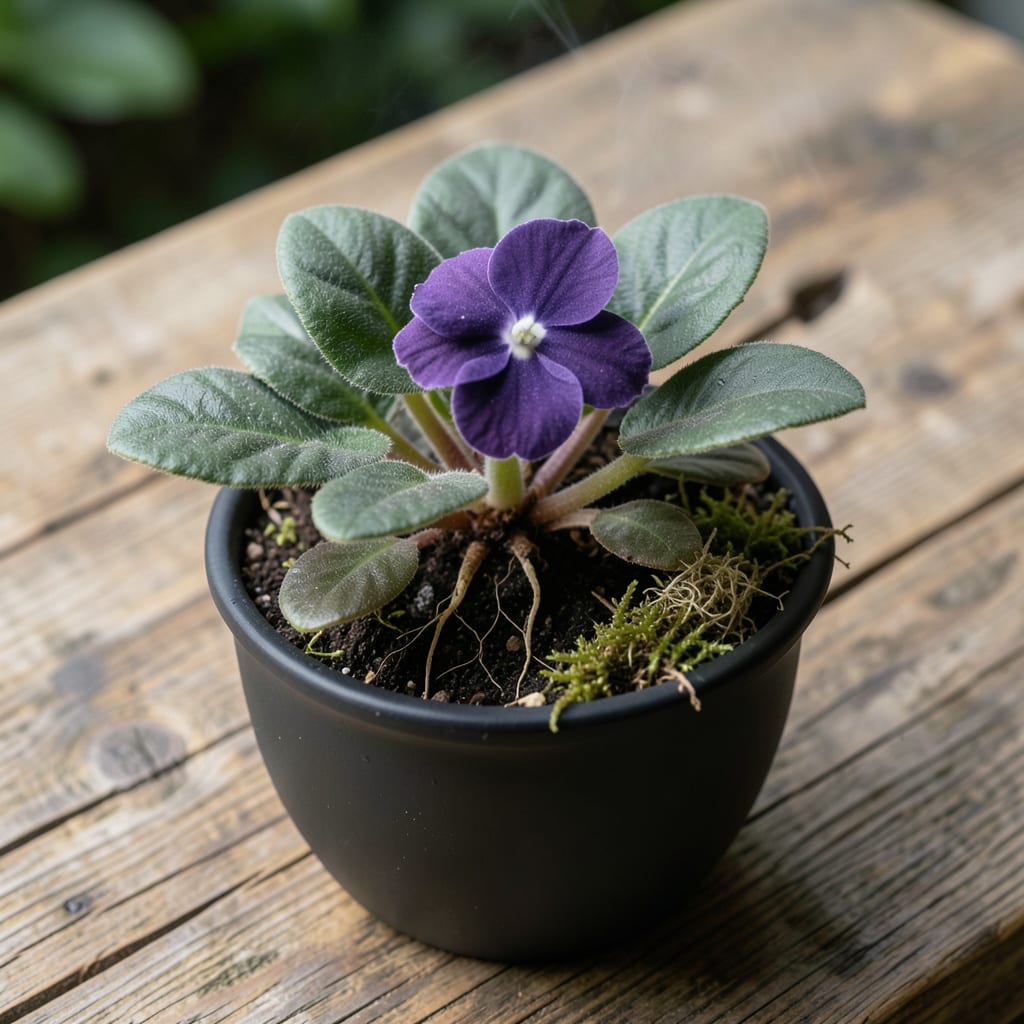
That sinking feeling when your African violet’s center turns to mush. Crown rot hits fast, turning healthy plants into casualties overnight, and it’s always preventable with the right approach.
I’ve lost count of how many violets I sacrificed to overwatering before I figured out the pattern. The rot starts at the crown where stems meet leaves, spreading until the whole plant collapses. Catching it early makes all the difference.
Recovery begins with immediate action: isolate the plant, trim affected areas with sterilized tools, and repot in fresh, well-draining mix. The key is stopping the moisture that fuels the fungus.
Prevention is simpler than cure—consistent watering habits, proper pots, and good air circulation keep this nightmare from returning. Your violets will thank you with vibrant blooms instead of rot.
African violet crown rot develops when fungal or bacterial pathogens exploit weak points in the plant. The primary culprits include:
Excess moisture suffocates roots and creates an anaerobic environment, inviting Phytophthora and Pythium fungi. These pathogens thrive in soggy soil, attacking the crown where stems meet the roots. Action: Use well-draining soil mixes and pots with drainage holes to prevent waterlogging.
Stagnant, humid air encourages fungal spore germination. African violets in enclosed terrariums or crowded spaces are especially vulnerable. Action: Improve ventilation with a small fan or space plants apart to reduce humidity buildup.
Reusing unsterilized pots, tools, or infected soil spreads pathogens. Even healthy plants can succumb if exposed to contaminated media. Action: Sterilize tools with rubbing alcohol and use fresh, pasteurized potting mix for each planting.
Bruised stems or broken leaves from rough handling create entry points for infection. Action: Handle plants gently and prune with clean, sharp tools to minimize wounds.
Sudden cold drafts or extreme heat weaken plant defenses, making them susceptible to opportunistic pathogens. Action: Maintain stable temperatures (65–75°F) and avoid placing plants near AC vents or cold windows.
Crown rot in African violets is treatable if caught early. Below are targeted solutions for common causes, paired with prevention tips to keep your plants thriving.
If soggy soil is the culprit, stop watering immediately and let the top inch of soil dry out. Repot the plant in fresh, well-draining mix (50% perlite or vermiculite). Water only when the topsoil feels dry to the touch.
Prevention tip: 💡 Use a pot with drainage holes and water from the bottom to avoid wetting the crown.
For fungal crown rot, remove infected leaves and stems with sterilized scissors. Apply a copper-based fungicide or neem oil to the remaining healthy parts. Isolate the plant to prevent spreading.
Prevention tip: ✨ Ensure good airflow around plants and avoid overhead watering to reduce fungal spores.
If the pot lacks drainage or the soil is compacted, transplant your African violet into a clean pot with fresh, lightweight potting mix. Add perlite or coarse sand to improve drainage.
Prevention tip: 🎯 Always use containers with drainage holes and refresh the soil every 6–12 months.
Move the plant to a spot with consistent temperatures (65–75°F) and no drafts. Avoid placing it near vents, heaters, or cold windows.
Prevention tip: 🌡️ Use a small thermometer near your plants to monitor conditions.
Early symptoms include a soft, mushy center where leaves meet the stem. Leaves may turn yellow or brown and wilt, even if the soil feels damp. Catch it quickly before the rot spreads to the entire plant.
If the rot has spread to the root system, recovery is unlikely. For early cases, remove affected parts, repot in fresh soil, and place in a warm, dry spot. Isolate the plant to protect others from potential spores.
Use well-draining soil with perlite, water only when the top inch is dry, and ensure pots have drainage holes. Avoid getting water on the leaves or crown. Consistent care is your best defense.
