
Beautiful Plants For Your Interior
Beautiful Plants For Your Interior
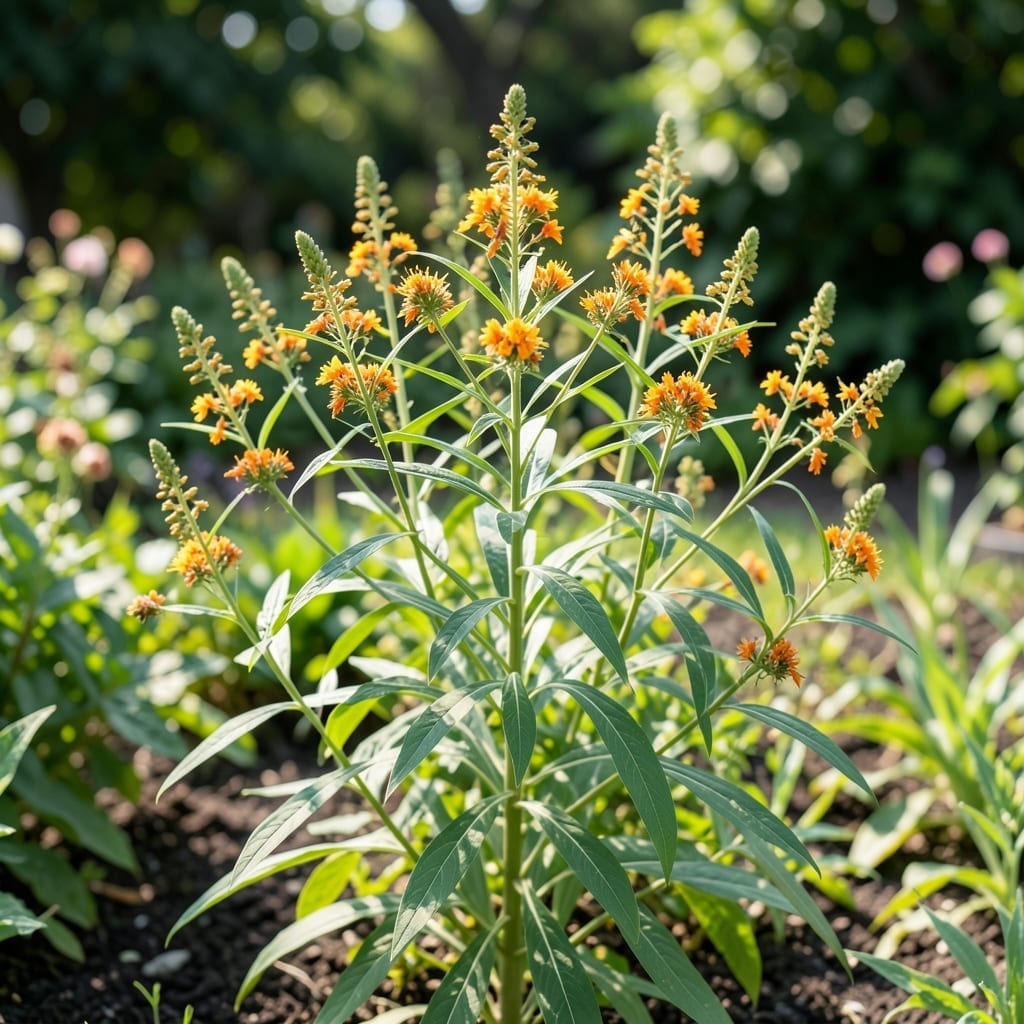
This plant stopped me in my tracks last summer. Vibrant orange blooms covered in butterflies—dozens of them, all day long.
I planted it in a sunny corner with well-draining soil, and within weeks, it became the busiest spot in my garden. The secret is giving it room to spread and consistent watering during dry spells.
What you get is a low-maintenance showstopper that draws pollinators from miles around. The blooms last for months, and the butterflies never seem to leave.
Works in garden beds or large containers. Here’s how to make it thrive in your space.
The brown butterfly plant (often Asclepias or milkweed variants) can develop unsightly brown discoloration due to several environmental and biological factors. Understanding these causes helps gardeners restore plant health and vibrancy. Below are the most common reasons, explained with scientific clarity.
Excessive direct sunlight, especially in hot climates, triggers photooxidative stress. Chlorophyll breaks down under intense UV exposure, leading to brown or scorched foliage. Milkweeds thrive in full sun to partial shade—more than 6–8 hours of harsh sunlight can overwhelm their photosynthetic systems.
Both underwatering and overwatering disrupt cellular function. Drought causes leaf edges to brown due to xylem cavitation (air bubbles blocking water transport), while waterlogged roots suffer from hypoxia (oxygen deprivation), leading to root rot and foliar necrosis.
Pathogens like Alternaria or Phytophthora thrive in humid conditions, causing brown spots or blight. These fungi secrete toxins that damage plant tissues, often starting at the leaf margins. Poor air circulation and wet foliage accelerate spores’ spread.
Sap-sucking pests (e.g., aphids, spider mites) pierce plant cells, leading to necrotic browning from nutrient depletion. Their feeding also introduces secondary infections. Check leaf undersides for webbing or sticky residue (honeydew), a telltale sign of infestation.
A lack of magnesium (interveinal chlorosis turning brown) or potassium (leaf edge scorch) impairs photosynthesis. Soil tests can confirm deficiencies—amend with compost or targeted fertilizers to restore balance.
If your butterfly plant is looking a little under the weather, don’t worry—here’s how to nurse it back to vibrant health. Each issue has a clear fix, so you can get those blooms buzzing with pollinators again in no time.
Overwatering or poor drainage often causes yellow leaves. Let the soil dry out between waterings, and ensure your pot has drainage holes. If the plant is in the ground, improve soil drainage by mixing in compost or sand. Prevention tip: 💡 Stick your finger an inch into the soil—if it’s dry, it’s time to water.
Aphids and spider mites love to snack on stressed plants. Spray leaves with a mix of water and mild soap, or introduce ladybugs (natural predators). For stubborn pests, use neem oil. Prevention tip: ✨ Keep the area around your plant clean and free of debris to discourage pests.
If your plant is tall and sparse, it’s likely not getting enough light. Move it to a sunnier spot where it can get at least 6–8 hours of sunlight daily. Rotate the pot occasionally for even growth. Prevention tip: 🎯 Monitor its light exposure, especially if it’s indoors near a window.
Wilting or spent blooms can drain the plant’s energy. Trim back dead or fading flowers to encourage new growth. Use clean, sharp shears to avoid damaging stems. Prevention tip: 🌡️ Prune regularly to keep the plant looking fresh and promote continuous blooming.
Weak or floppy stems often signal a lack of nutrients. Use a balanced, water-soluble fertilizer every 2–4 weeks during the growing season. Avoid over-fertilizing, which can lead to leaf burn. Prevention tip: 💪 Follow the package instructions and fertilize in the early morning for best results.
Water deeply once a week, allowing the top 1-2 inches of soil to dry between waterings. In extreme heat, increase to twice weekly. Always check soil moisture first to avoid overwatering.
Brown leaves often signal sunburn or underwatering. Move to partial shade if in intense sun, or increase watering frequency. Check for pests on leaf undersides as another possible cause.
Prune in early spring before new growth starts, or after blooming ends. Remove dead stems and spent flowers to encourage bushier growth and more blooms.
Yes, but choose a large pot with drainage holes. Use well-draining soil and place in a sunny location. Container plants may need more frequent watering than in-ground plantings.