
Beautiful Plants For Your Interior
Beautiful Plants For Your Interior
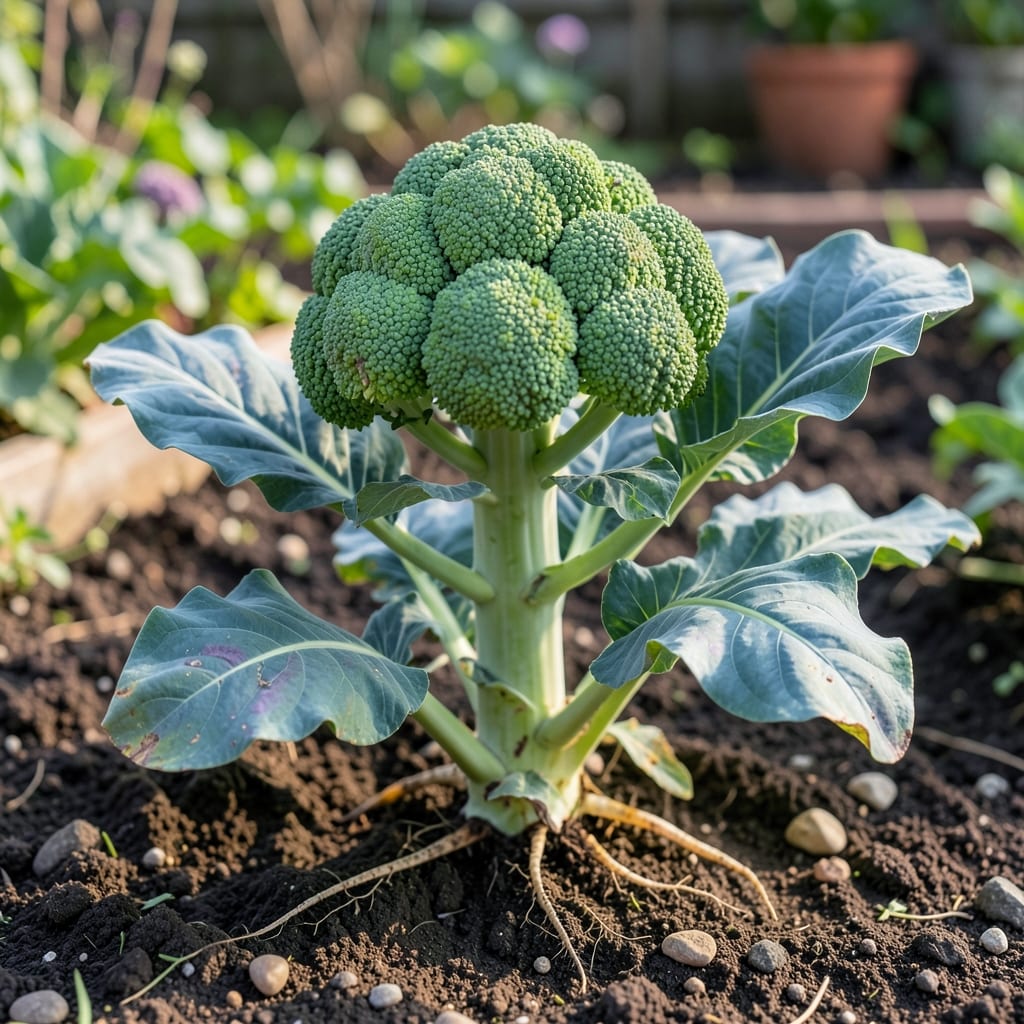
Purple broccoli leaves caught me off guard last season. Confession: I initially thought it was a fancy new variety until the plants stopped growing.
Turns out phosphorus deficiency is usually the culprit, especially in cool weather. The soil test confirmed it—my beds were lacking this crucial nutrient that helps plants build strong roots and stems.
Here’s the thing—fixing it is quick once you know what to do. A balanced fertilizer or bone meal application can turn those purple leaves green again within 2 weeks.
Between you and me, checking soil moisture with my finger before watering saved my next crop. Prevention starts with proper soil prep before planting.
Broccoli leaves turning purple often signal an underlying issue affecting the plant’s health. Below are the most common causes, explained with actionable insights.
A primary reason for purple leaves is phosphorus deficiency. Phosphorus is vital for energy transfer and root development. When soil pH is too high (alkaline) or temperatures drop below 50°F (10°C), phosphorus becomes less available. Leaves may turn purple, especially on the undersides or veins, as the plant struggles to produce chlorophyll.
Broccoli is cool-weather tolerant, but sudden cold snaps (below 40°F / 4°C) can trigger anthocyanin production—a pigment that turns leaves purple. This is a survival mechanism, but prolonged exposure weakens the plant. Protect seedlings with row covers if frost is forecasted.
Excess nitrogen or potassium can block phosphorus uptake, even if phosphorus is present in the soil. Over-fertilizing with high-nitrogen blends (e.g., fresh manure) may cause lush green growth but starve the plant of other nutrients, leading to purpling. Test soil and balance fertilizers accordingly.
Root stress from poor drainage or inconsistent watering disrupts nutrient absorption. Waterlogged roots can’t access oxygen, while drought-stressed roots can’t uptake phosphorus efficiently. Aim for moist, well-draining soil to prevent purple discoloration.
If your broccoli plant leaves are turning purple, don’t panic—there are straightforward fixes for each underlying cause. Here’s how to tackle the most common issues and restore your plant’s health.
Soil lacking phosphorus is a top culprit. Add a balanced fertilizer (like 10-10-10) or opt for bone meal, which is rich in phosphorus. Work it into the top 2–3 inches of soil near the base of the plant. Water thoroughly to help the nutrients reach the roots.
Prevention tip: 💡 Test your soil before planting. Ideal phosphorus levels for broccoli are 50–100 ppm. Amend the soil with compost or organic matter annually to maintain nutrient balance.
Broccoli can handle cool weather, but extreme cold (below 40°F/4°C) may trigger purple leaves. Protect plants with row covers or cloches during unexpected frosts. If growing in containers, move them to a sheltered area or indoors temporarily.
Prevention tip: 🌡️ Harden off seedlings properly before transplanting. Start them indoors and gradually expose to outdoor temperatures over 7–10 days.
Too much sun or heat can stress broccoli, especially in warmer climates. Provide afternoon shade using shade cloth (30–50% density) if temperatures exceed 75°F (24°C). Ensure plants receive at least 6–8 hours of morning sunlight, which is gentler.
Prevention tip: ✨ Plant broccoli in early spring or late summer for cooler growing conditions. In hot regions, choose heat-tolerant varieties like ‘Waltham 29’ or ‘Packman’.
Inconsistent watering or poor drainage can lead to nutrient uptake issues. Keep soil evenly moist (not soggy) by watering deeply 1–2 times per week. Mulch around plants with straw or compost to retain moisture. For container-grown broccoli, ensure pots have drainage holes to prevent root rot.
Prevention tip: 🎯 Use drip irrigation to deliver water directly to the roots, reducing stress and disease risk.
Not always. Some varieties naturally develop purplish tinges in cool weather. But if leaves turn deep purple or the plant stunts, it likely signals phosphorus deficiency or stress.
With proper phosphorus treatment, new growth should appear green within 7-14 days. Existing purple leaves may not fully recover but new ones will.
Yes! Waterlogged soil prevents roots from absorbing phosphorus, even if it’s present. Reduce watering and improve drainage to see improvement in about 1 week.
The heads remain safe to eat, but purpling often means reduced growth. Harvest may be smaller. Address the cause first for best results.