
Beautiful Plants For Your Interior
Beautiful Plants For Your Interior
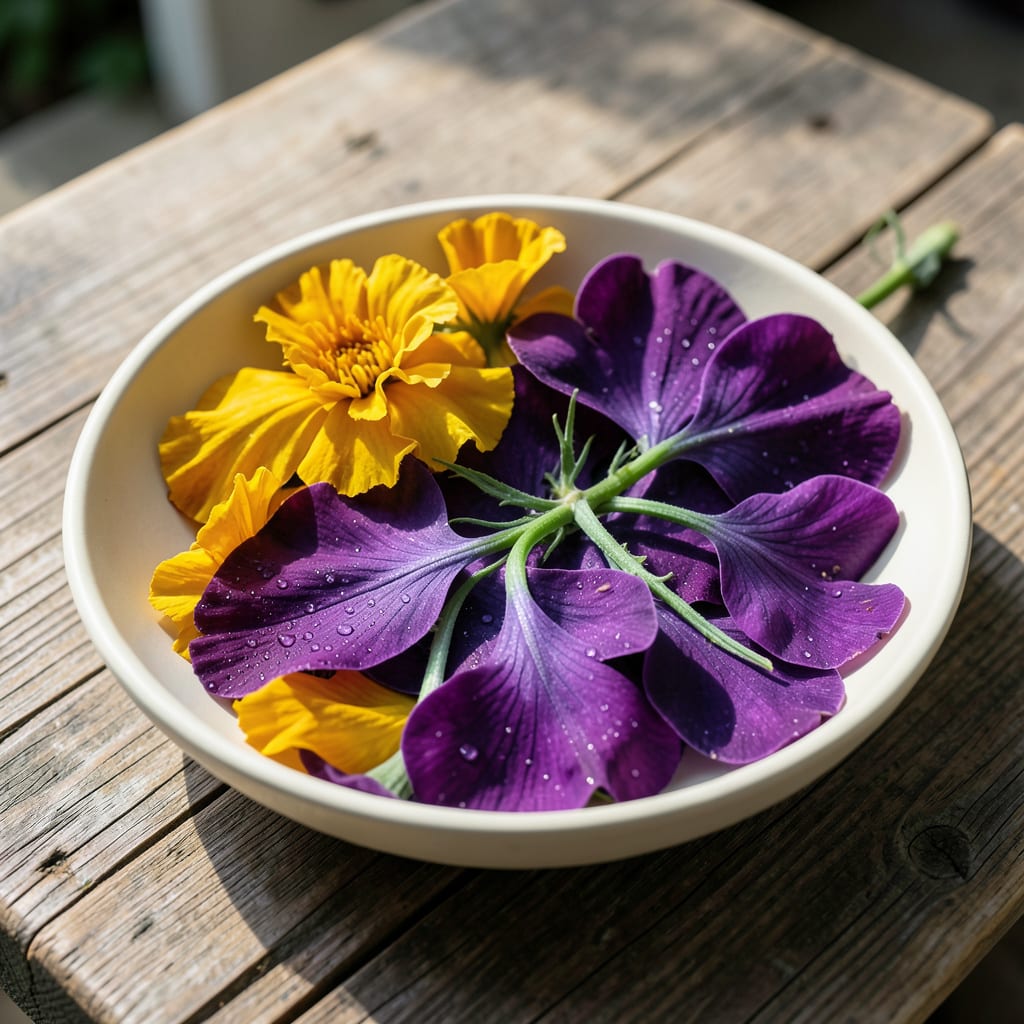
Purple marigold leaves are your plants crying for help. I’ve seen this happen when the soil lacks phosphorus or gets too cold, turning those bright green leaves into a strange violet color.
The fix is usually simple: warm up the soil and add a balanced fertilizer. Most gardeners overlook soil temperature, but marigolds need it above 55°F to absorb nutrients properly.
You’ll notice the color change starts at the bottom leaves first. Catching it early means you can reverse the damage before it spreads to the entire plant.
Prevention is easier than cure. Test your soil before planting and add compost to ensure nutrients are available when your marigolds need them most.
Marigold leaves turning purple often signal underlying stress. Here are the most common causes, explained scientifically:
Phosphorus is vital for energy transfer and root development. When soil lacks this nutrient, marigolds struggle to produce chlorophyll, leading to purple-tinged leaves. This typically appears first on older leaves. Cold, waterlogged, or highly acidic soils (pH < 5.5) can lock phosphorus out of reach.
Sudden cold snaps (<50°F/10°C) disrupt phosphorus uptake, mimicking deficiency symptoms. Marigolds prefer warm soil (60–70°F/15–21°C). Purple leaves may also appear during heatwaves if roots can’t absorb nutrients efficiently.
Soggy soil suffocates roots, reducing their ability to absorb phosphorus and other nutrients. This indirectly causes purpling. Check for yellowing alongside purple hues—a classic sign of waterlogged stress.
Marigolds thrive in slightly acidic to neutral soil (pH 6.0–7.0). Extremely acidic or alkaline conditions bind phosphorus, making it unavailable. A soil test can confirm if pH adjustment (e.g., lime for acidity, sulfur for alkalinity) is needed.
Rare but possible: Fungi like Phytophthora damage roots, impairing nutrient uptake. Purple leaves may accompany wilting or blackened stems. Improve drainage and avoid overhead watering to prevent fungal growth.
Addressing purple marigold leaves often comes down to correcting nutrient imbalances or environmental stress. Below are targeted fixes for the most common causes, along with prevention tips to keep your plants thriving.
If soil tests confirm low phosphorus, amend the soil with bone meal or a balanced fertilizer (e.g., 10-10-10) to restore levels. Work it into the top 2–3 inches of soil near the roots, then water deeply. For a quick boost, use a liquid phosphate fertilizer.
Prevention tip: Test soil before planting and mix in compost annually to maintain nutrient balance. 💡
Marigolds prefer slightly acidic to neutral soil (pH 6.0–7.0). If your soil is too alkaline, lower the pH by adding sulfur or peat moss. For acidic soil, lime can raise the pH. Retest after amending and adjust as needed.
Prevention tip: Monitor pH every season, especially if your water is hard (high in minerals). 🌡️
Overwatering or poor drainage can suffocate roots, limiting nutrient uptake. Let the top inch of soil dry out between waterings, and ensure pots have drainage holes. For soggy beds, mix in perlite or sand to improve aeration.
Prevention tip: Water at the base (not leaves) in the morning to reduce fungal risks. 💧
Extreme heat or cold can trigger purple discoloration. Provide afternoon shade in scorching climates and mulch around plants to regulate soil temperature. In cooler zones, use row covers to protect from chilly nights.
Prevention tip: Plant marigolds after the last frost and choose heat-tolerant varieties if needed. ✨
Not always. While phosphorus deficiency is the most common cause, cold temperatures below 50°F or extreme heat can also trigger purple leaves by disrupting nutrient uptake.
With proper treatment like adding bone meal or adjusting soil pH, you may see improvement in 1-2 weeks. Severely affected leaves may not recover, but new growth should be green.
Yes! Soggy soil suffocates roots, preventing phosphorus absorption. Let the top 1 inch of soil dry between waterings and ensure good drainage.
Only if they’re severely damaged. Mildly purple leaves can recover. Focus on fixing the root cause while monitoring new growth.
