
Beautiful Plants For Your Interior
Beautiful Plants For Your Interior
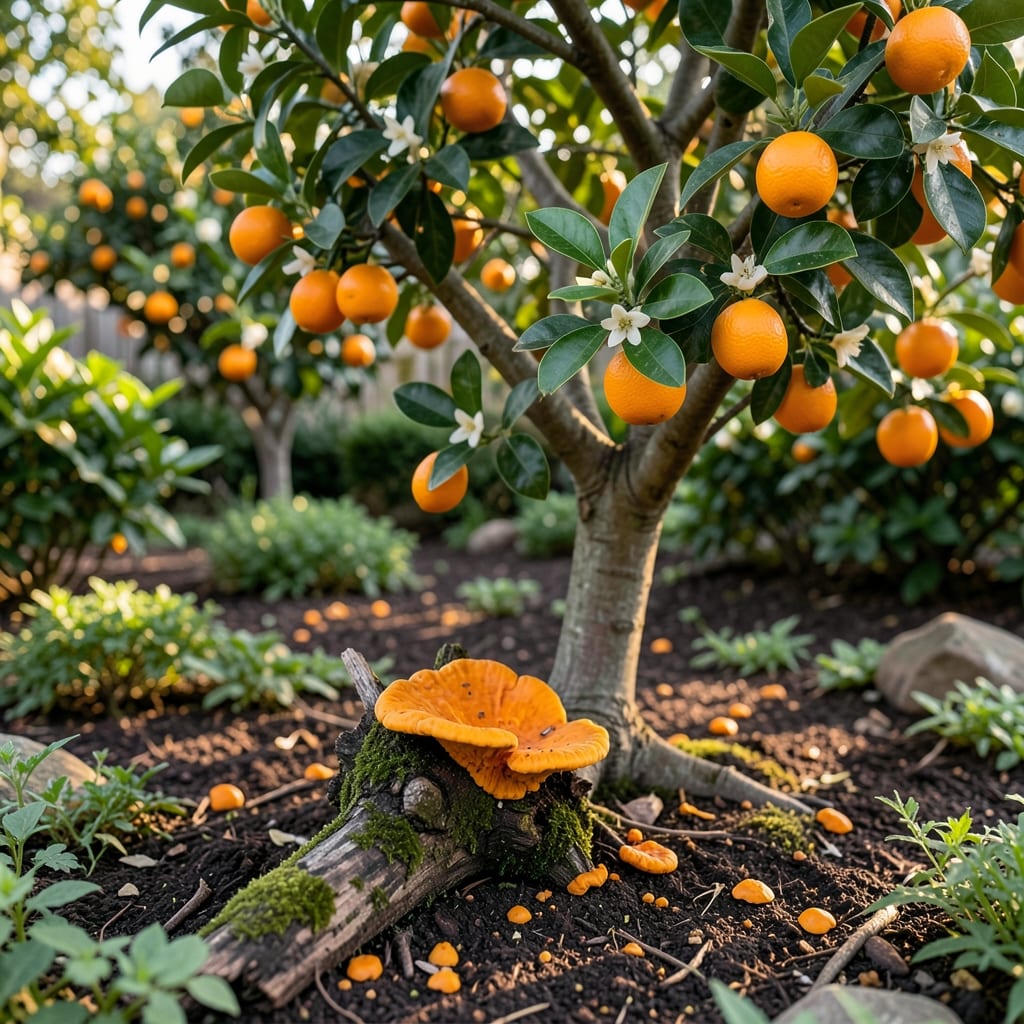
That bright orange fungus on your dead wood isn’t just an eyesore—it’s nature’s cleanup crew at work. I’ve seen it pop up overnight after rain, turning old stumps into vibrant attention-grabbers.
These fungi break down decaying wood, returning nutrients to the soil. But some varieties can spread to living plants or pose safety risks if toxic. Identification is the first step to deciding whether to admire or remove it.
Natural solutions often involve simply letting it run its course, but in gardens or high-traffic areas, removal might be necessary. The key is knowing which approach matches your situation and safety concerns.
Between you and me, keeping a journal of where and when you spot these helps track patterns. It’s fascinating how quickly they appear and disappear.
The bright orange fungus you’re spotting on dead wood is usually the result of specific environmental conditions and biological processes. Here’s why it happens:
Dead wood is a prime substrate for fungi because it’s rich in cellulose and lignin, compounds that fungi break down for nutrients. As wood decomposes, it releases moisture and nutrients, creating an ideal environment for fungal spores to germinate. Species like Trametes versicolor (Turkey Tail) or Laetiporus sulphureus (Chicken of the Woods) thrive in these conditions, producing vibrant orange hues as they metabolize the wood.
Fungi require consistent moisture to grow. Dead wood in damp, shaded areas—such as forest floors or after heavy rainfall—retains moisture longer, accelerating fungal colonization. Orange-pigmented fungi often produce carotenoid compounds, which help protect them from UV damage while also giving them their striking color.
Warm, humid climates or seasonal transitions (like spring or fall) encourage fungal growth. Many orange fungi are saprotrophic, meaning they feed on decaying material, and their activity peaks when temperatures range between 50–80°F (10–27°C). This is why you might notice bright orange patches appearing more frequently during these periods.
Fungal spores are everywhere—carried by wind, water, or animals. When they land on dead wood with the right conditions (moisture, nutrients, and temperature), they germinate and form mycelium, the thread-like network that eventually produces the visible fruiting bodies. The bright orange color can also attract insects, aiding spore dispersal.
If you’ve spotted bright orange growths on rotting wood, it’s likely a saprophytic fungus like Trametes or Pycnoporus. While these fungi play a natural role in decomposition, they can spread to healthy plants or become unsightly. Here’s how to address and prevent them.
Fungi thrive on decaying organic matter, so the first step is to eliminate their food source. Use gloves and a mask to safely collect and dispose of affected wood in sealed bags or a far-off compost pile (if allowed by local regulations). Avoid chopping or breaking the wood further, as this can release spores.
Fungi love damp, shaded areas. Trim nearby vegetation to improve airflow and sunlight exposure, which naturally inhibits fungal growth. For garden beds, space plants adequately and prune dense foliage to reduce humidity.
For persistent cases, use organic treatments to curb spread. Spray a mixture of 1 part hydrogen peroxide (3%) to 10 parts water on the area, or apply neem oil diluted with water. These solutions disrupt fungal activity without harsh chemicals.
With these steps, you can control and prevent the spread of bright orange fungi while maintaining a healthy, balanced ecosystem.
Some orange fungi are harmless, but others may cause skin irritation or allergic reactions. Always wear gloves when handling and avoid inhaling spores. If unsure, don’t touch it at all.
Most orange fungi on dead wood are saprotrophic, meaning they only decompose dead material. However, some species can infect stressed or damaged living trees. Monitor nearby plants for unusual growths.
Yes, removing the infested wood eliminates the fungus’s food source. Dispose of it in sealed bags to prevent spores from spreading. This is the most effective immediate solution.
Under ideal conditions (warmth + moisture), visible growth can appear within 24-48 hours. It may spread rapidly across damp wood, especially after rain.