
Beautiful Plants For Your Interior
Beautiful Plants For Your Interior
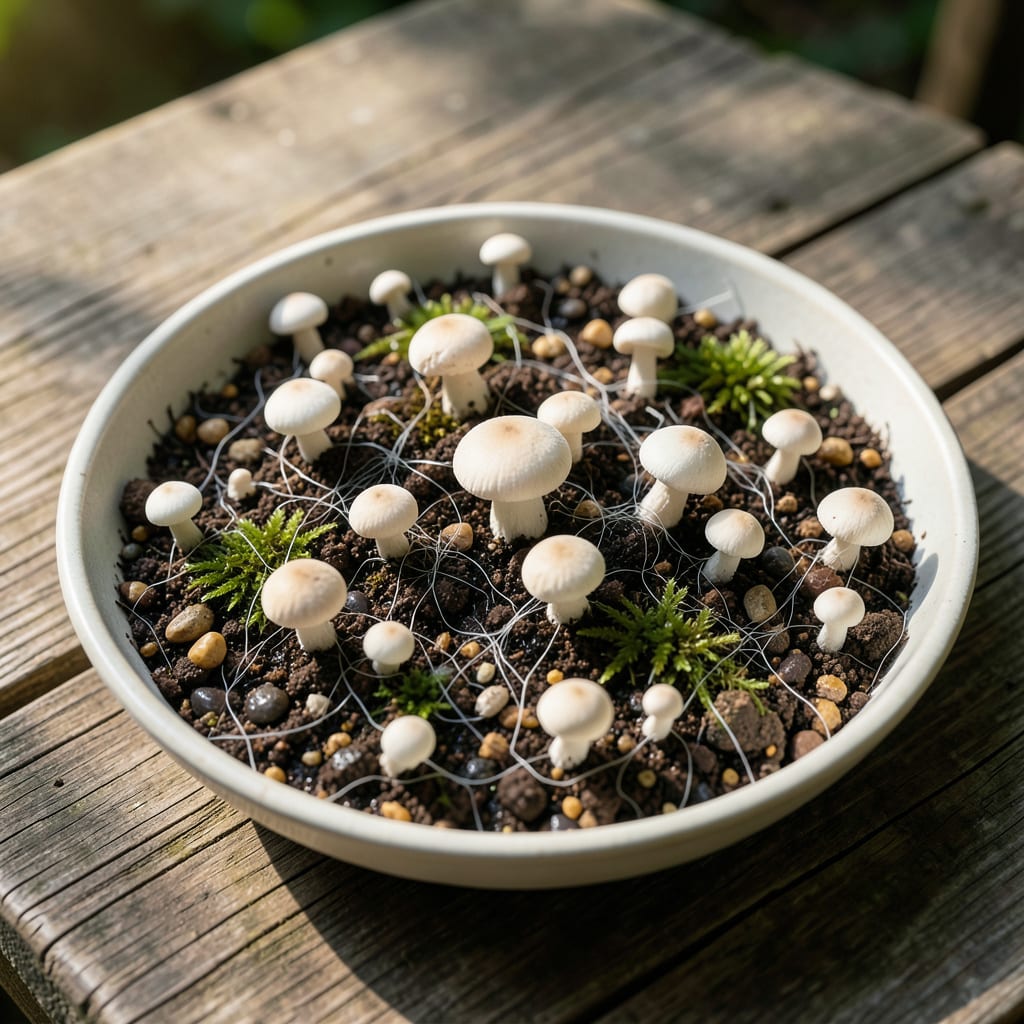
I used to panic when I saw white threads in my soil. Turns out, I was looking at nature’s cleanup crew at work.
Saprophytic fungi break down dead plant material, turning last year’s debris into next season’s nutrients. They’re the silent partners that keep soil healthy without any effort from you.
Your plants benefit from improved soil structure, better water retention, and a steady supply of organic matter. These fungi even help suppress some plant diseases naturally.
Encourage them by leaving organic matter on the soil surface and avoiding harsh chemical treatments. They’ll do the rest.
Saprophytic fungi thrive in soil due to specific environmental and biological conditions. Here’s why they appear and flourish:
Saprophytic fungi decompose dead plant material, fallen leaves, and decaying roots. When soil is rich in cellulose, lignin, or chitin (from dead insects or fungi), these organisms activate to break down complex compounds into simpler nutrients. High organic content, like compost or mulch, directly fuels their growth.
These fungi require consistent moisture to soften organic matter and facilitate enzyme activity. Overwatered soils, poor drainage, or high humidity create ideal conditions. In dry environments, saprophytic fungi remain dormant until moisture levels rise.
Most saprophytic fungi prefer moderate temperatures (20–30°C / 68–86°F) and slightly acidic to neutral pH (5.0–7.0). Extreme heat or cold slows their metabolism, while alkaline soils may inhibit enzyme function. Seasonal changes often trigger spikes in their activity.
In undisturbed soils with low microbial diversity, saprophytic fungi dominate because they face less competition for resources. Tilled or chemically treated soils may temporarily suppress them, but they rebound quickly in untreated, organic-rich zones.
Managing saprophytic fungi in soil depends on balancing their natural benefits with potential issues like overgrowth or unwanted decay. Here’s how to address common concerns effectively:
Fix: Reduce excess organic matter like fallen leaves or wood chips, which fuel rapid fungal growth. Rake or remove debris regularly to limit their food source. For stubborn patches, solarization works—cover the area with clear plastic for 4-6 weeks to heat the soil and disrupt fungal activity.
Prevention: Maintain moderate organic inputs. Use composted materials instead of fresh, which decompose more evenly and attract fewer opportunistic fungi.
Fix: If fungi are breaking down mulch or plant roots too quickly, switch to slower-decomposing options like cedar chips or pine bark. These resist fungal breakdown longer while still supporting soil health.
Prevention: Apply a thin layer (1-2 inches) of mulch rather than thick piles. This slows decomposition and prevents anaerobic conditions that favor aggressive saprophytes.
Fix: When saprophytic fungi outcompete plant roots for nutrients, add a mycorrhizal inoculant to your soil. These beneficial fungi form symbiotic relationships with plants, improving nutrient uptake and reducing competition.
Prevention: Rotate crops and avoid monoculturing. Diverse plantings create a balanced soil microbiome, where saprophytes coexist with other organisms without dominating.
💡 Pro Tip: Test your soil’s organic content annually. If levels exceed 5%, scale back amendments to keep saprophytic activity in check naturally.
No, they’re actually beneficial decomposers! They break down dead organic matter into nutrients your plants can absorb. Just ensure they don’t overgrow and compete with roots for resources.
Look for white, thread-like structures on decaying material. Harmful fungi often appear as dark spots or powdery mildew on living plants. Healthy soil will have both, but saprophytes won’t attack live tissue.
Yes! Add compost or well-rotted manure in moderation. Avoid thick layers of fresh organic matter, which can fuel excessive growth. Balance is key for a thriving soil ecosystem.
