
Beautiful Plants For Your Interior
Beautiful Plants For Your Interior
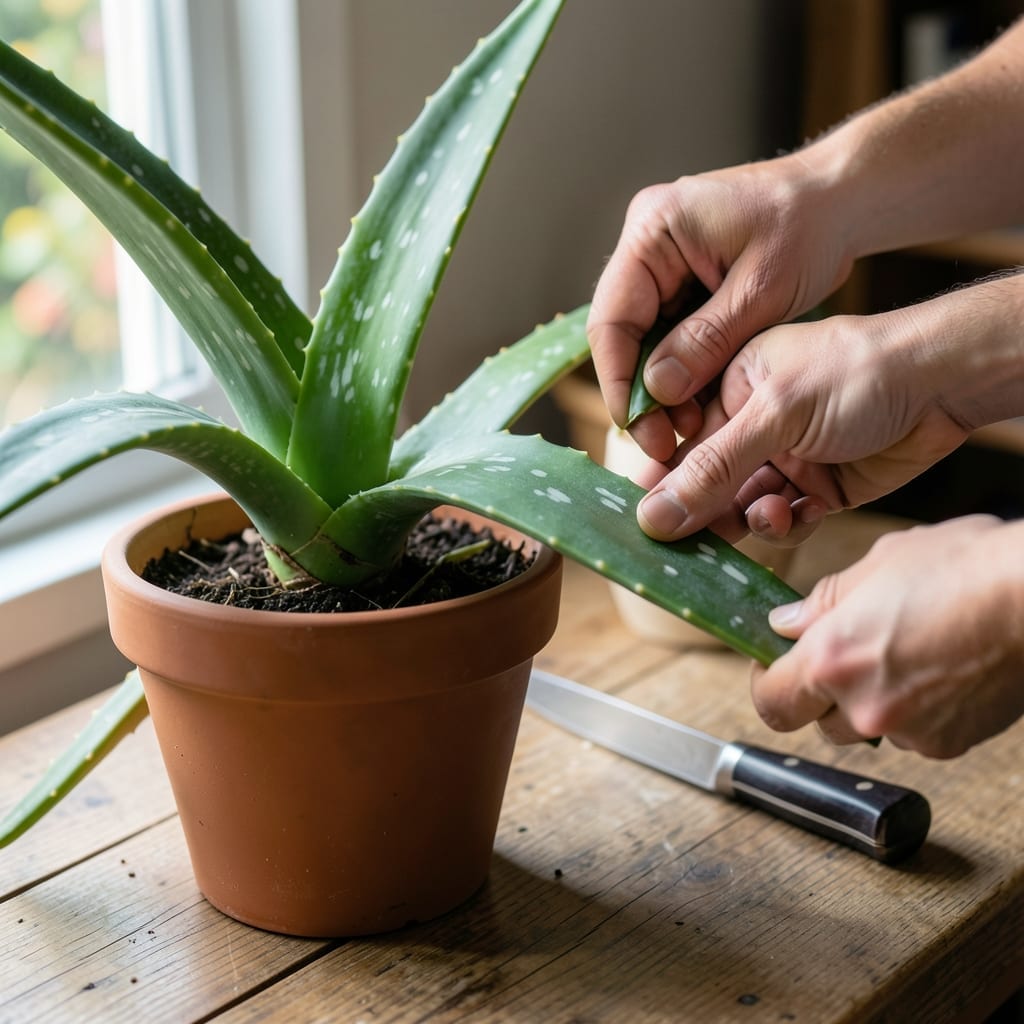
Leaves breaking often signal disease, nutrient deficiencies, or environmental stress. Check for spots, discoloration, or pests, then adjust care, water, or soil conditions to support recovery.
I’ve seen this happen most often when plants are under attack from fungal infections or struggling with poor soil quality. Nitrogen or magnesium shortages can make foliage weak and brittle, while sudden temperature swings or overwatering create stress that snaps stems. 🔥
Early intervention makes all the difference—start by isolating affected plants and examining both sides of the leaves for clues. ✨
💡 In This Article
Fungal infections like powdery mildew or leaf spot thrive in humid conditions. These pathogens attack leaf surfaces, breaking down cell walls which leads to brittle, easily damaged foliage. You’ll often notice white powdery coatings or brown circular spots as early warning signs. 🌟
Bacterial blight causes water-soaked lesions that turn brown or black. The bacteria Pseudomonas or Xanthomonas multiply rapidly in wet conditions, destroying leaf tissue. Infected leaves often appear scorched at the edges before breaking off entirely.
Viral pathogens like tobacco mosaic virus create mottled patterns on leaves. These disrupt the plant’s ability to photosynthesize efficiently, weakening the structure. Infected leaves become thin and fragile, snapping with minimal pressure. Viruses often spread through contaminated tools or insect vectors.
Root rot from Phytophthora fungi attacks the foundation. As roots decay, they can’t deliver water and nutrients effectively. This starvation weakens stems and leaves, making them prone to breakage even in gentle wind. The first visible sign is often yellowing leaves that drop prematurely.
Each disease manifests differently, but all share one outcome: compromised leaf integrity. Early identification is key—inspect both leaf surfaces weekly for changes in color, texture, or pattern. 💫
Environmental stress often exacerbates disease progression. Overwatering creates perfect fungal conditions, while poor air circulation spreads bacterial infections. Maintaining 40-60% humidity and proper spacing between plants can prevent many issues before they start.
Early indicators include discoloration, spots, or irregular patterns on foliage. Check both leaf surfaces weekly for changes in color, texture, or strength.
Use a neem oil solution every 7-10 days until symptoms improve. Mix 1 tablespoon oil with 1 quart water and 1 teaspoon soap for best results.
Overwatering creates ideal conditions for fungal growth and root rot, which weaken stems and leaves. Maintain consistent moisture without waterlogging.
Remove broken or diseased foliage immediately using clean, sharp tools. Cut at a 45-degree angle just above a leaf node to encourage new growth.