
Beautiful Plants For Your Interior
Beautiful Plants For Your Interior
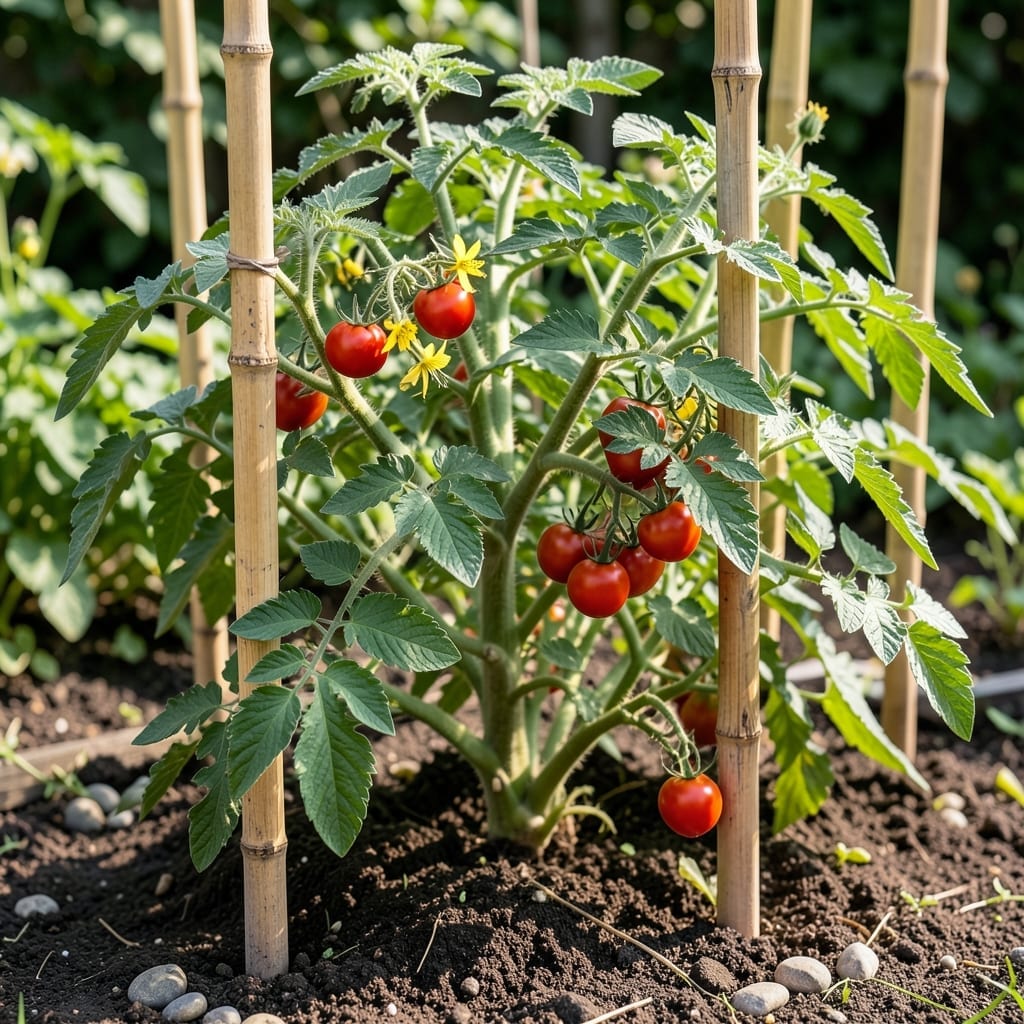
Bread and salt tomato is a traditional Italian dish featuring ripe tomatoes seasoned with salt, olive oil, and sometimes basil, served on crusty bread. It highlights simple, fresh garden ingredients.
This dish represents the essence of cucina povera, where humble elements transform into something extraordinary. I love how it celebrates the peak ripeness of summer produce with minimal interference. The combination of textures—juicy fruit, crisp bread, and silky oil—creates a perfect harmony that’s both rustic and refined. ✨
💡 In This Article
This dish traces back to rural Southern Italy, where farmers relied on garden staples. The combination of bread, salt, and tomatoes became a daily meal during harvest seasons when fresh produce was abundant. It embodies cucina povera, turning simple ingredients into nourishment without waste.
Each component holds symbolic meaning. Bread represents sustenance, salt signifies preservation and flavor enhancement, while tomatoes symbolize the bounty of summer. In regions like Puglia and Sicily, variations include adding oregano or capers for extra depth. The dish often appeared on tables during ferragosto, a mid-August holiday celebrating the harvest. 🌟
The preparation method reflects practical wisdom. Farmers used stale bread to prevent waste, reviving it with tomato juices and olive oil. This technique also stretched limited resources, making it a staple among peasant families. The lack of cooking preserves the tomatoes’ raw, vibrant flavors.
Regional pride shines through in subtle differences. In Tuscany, they might use unsalted bread to control seasoning, while Calabria often adds chili flakes for heat. These variations tell stories of local tastes and available ingredients. The dish remains a testament to Italian resourcefulness and love for fresh produce.
What makes this dish culturally significant is its role in family gatherings. It was commonly prepared for large groups, as it requires no special equipment and can feed many with minimal cost. The act of sharing this simple meal reinforced community bonds and celebrated the land’s generosity. ✨
Use a crusty Italian or sourdough loaf with a firm texture. Stale bread actually works better as it soaks up tomato juices without becoming soggy. Avoid soft sandwich bread.
Traditional variations include fresh basil, oregano, or a sprinkle of chili flakes. A drizzle of balsamic vinegar adds depth. Keep it simple to let the tomato shine.
Choose vine-ripened tomatoes that are fully red and yield slightly to pressure. Overripe tomatoes will be too mushy, while underripe ones lack sweetness. Heirloom varieties work exceptionally well.
It originated as a way to use stale bread and garden tomatoes with minimal ingredients. This no-waste approach reflects the resourcefulness of rural Italian families. The dish celebrates simplicity.
Best eaten fresh, as the bread will continue to absorb moisture. If storing, keep components separate in the fridge for up to 2 days. Assemble just before serving.