
Beautiful Plants For Your Interior
Beautiful Plants For Your Interior
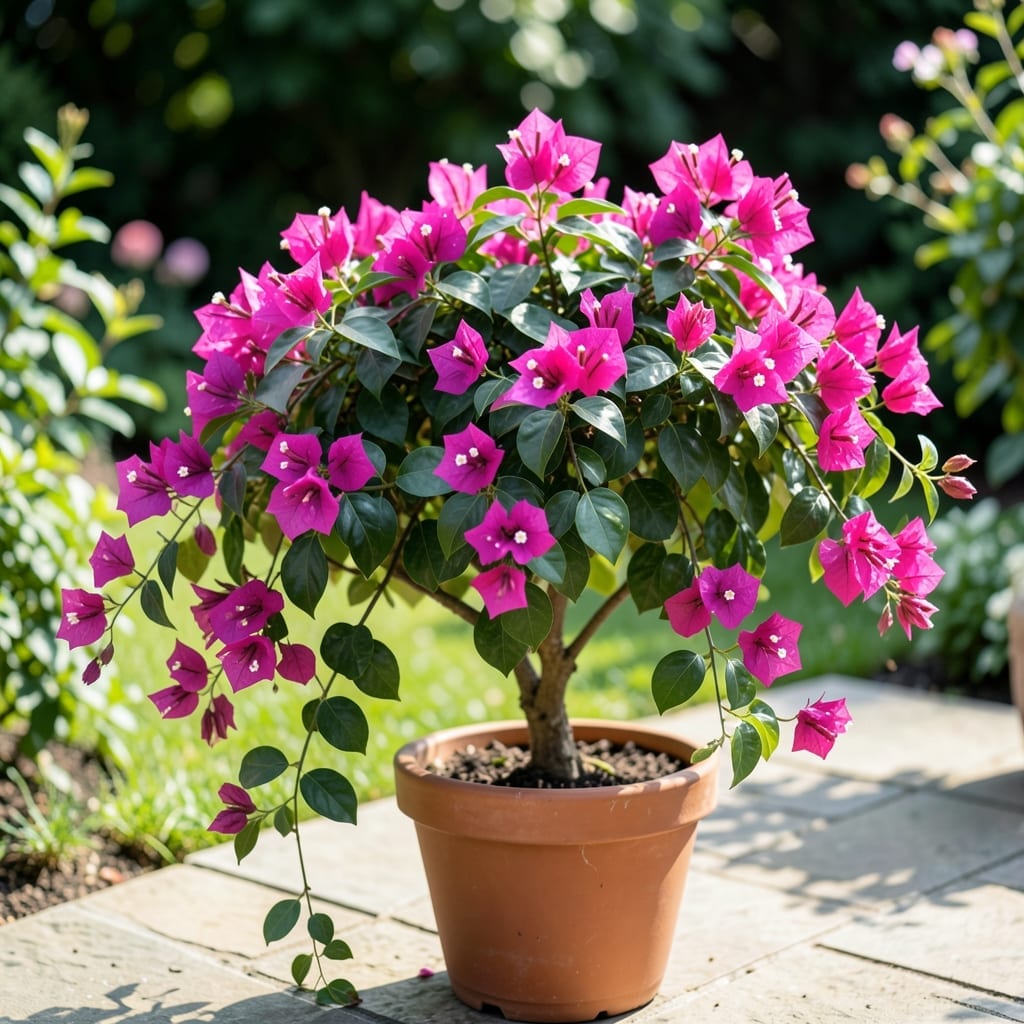
The Greek μπουγανβιλιά directly adapts the French “bougainvillier,” preserving the explorer’s surname. This phonetic translation maintains the original three-syllable structure while conforming to Greek linguistic patterns. The term entered modern Greek during the 19th century, as botanical knowledge spread across Europe.
Louis Antoine de Bougainville first documented this plant in 1768 during his Pacific voyage. The species Bougainvillea glabra was named in his honor by French botanist Philibert Commerson. Greek horticulturists later adopted the name, keeping the historical connection intact while making it pronounceable for native speakers.
What’s particularly interesting is how the Greek version captures the French pronunciation’s elegance. The stress falls naturally on the third syllable, mirroring the original. This careful adaptation shows how languages respect both scientific accuracy and phonetic harmony. 🌟
The name’s endurance in Greek reflects the plant’s popularity in Mediterranean gardens. Unlike many borrowed terms that get shortened, μπουγανβιλιά retains its full form, demonstrating Greeks’ appreciation for botanical history and the plant’s ornamental value.
This linguistic preservation also serves a practical purpose. Gardeners and botanists can immediately recognize the plant across languages, maintaining clear communication about cultivation techniques and species variations. The shared root helps prevent confusion in international horticultural trade.
Pronounce it as boo-gahn-vee-LYAH. The stress falls on the last syllable, with a soft “g” sound. This matches the original French pronunciation while fitting Greek phonetic patterns.
Greek adopted the French term directly to honor explorer Bougainville, preserving the historical connection. The adaptation maintains the three-syllable structure while conforming to Greek linguistic rules for borrowed words.
No, it originated in South America. The plant was introduced to Mediterranean climates, including Greece, because it thrives in similar warm, dry conditions. It became popular for its vibrant blooms and drought tolerance.
The term entered modern Greek during the 19th century, as botanical knowledge spread across Europe. Horticulturists kept the full name to maintain clear communication about the plant’s identity and care.